Browse Articles

Demographic trends of alcohol and marijuana co-use: examining age, gender, and race/ethnicity trends

Ryoo et al. | Jul 05, 2026

Demographic trends of alcohol and marijuana co-use: examining age, gender, and race/ethnicity trends

This study aims to examine the demographic factors that predict patterns of co-use of alcohol and marijuana in the United States. Significant findings were identified using data from the National Survey on Drug Use and Health (2012-2022), showing that there were significant differences in the prevalence of substance use among demographic groups, with young adults showing the highest co-use of alcohol and marijuana.

Read More...
Enhancing activity of antibiotics against Staphylococcus aureus with Shuang-Huang-Lian

Liu et al. | Sep 29, 2022

Enhancing activity of antibiotics against Staphylococcus aureus with Shuang-Huang-Lian

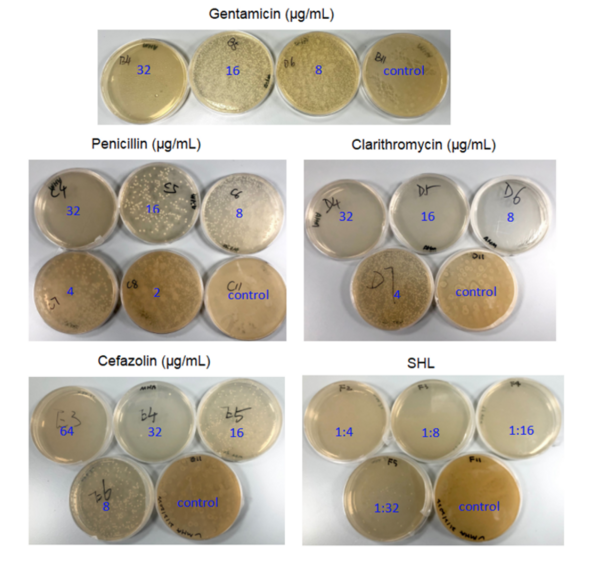
Staphylococcus aureus is a major pathogen in both hospitals and the community and can cause systemic infections such as pneumonia. Multi-drug resistant strains, such as Methicillin-resistant S. aureus (MRSA) are particularly worrisome. In order to reduce the development of bacterial resistance, we hypothesized that two selected traditional Chinese medicines, Shuang-Huang-Lian (SHL) and Lan-Qin, would be effective against S. aureus. The results showed that SHL had a synergistic effect with gentamicin as well as additive effects with penicillin and cefazolin against S. aureus compared with using antibiotics alone.

Read More...

The Effects of Ezetimibe on Triglyceride and Alanine Transaminase Reduction in Drosophila Melanogaster Model of Nonalcoholic Fatty Liver Disease (NAFLD)

Dania et al. | Apr 30, 2020

The Effects of Ezetimibe on Triglyceride and Alanine Transaminase Reduction in <i>Drosophila Melanogaster</i> Model of Nonalcoholic Fatty Liver Disease (NAFLD)

Nonalcoholic Fatty Liver Disease (NAFLD) is a condition where a surplus of triglycerides or fat are present in the liver. In this study, ezetimibe, a cholesterol lowering drug, was used to treat flies modeling NAFLD. Compared to the coconut oil fed flies that were transferred to the control medium, the flies transferred to the control medium treated with ezetimibe showed a decrease in their triglyceride and alanine transaminase level.

Read More...

Characterization of antibacterial properties of common spices

Gehad et al. | Oct 03, 2020

Characterization of antibacterial properties of common spices

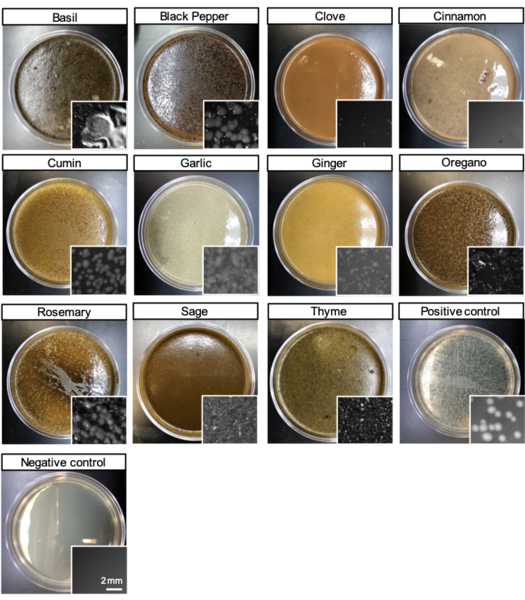
Bacterial infection is resurging as one of the most dangerous challenges facing the medical establishment. Americans spend about 55 to 70 billion dollars per year on antibiotics, yet these antibiotics are becoming increasingly ineffective as illness-causing bacteria gain resistance to the prescribed drugs. We tested if 11 commonly-used spices could inhibit growth of the gram-negative bacteria, E. coli, the main takeaway from these experiments is that certain spices and herbs have antibacterial effects that inhibit growth of E.coli , and these spices could show similarly promising activity towards other bacteria.

Read More...

The effect of bioenhancers on ampicillin-sulbactam as a treatment against A. baumannii

Balaji et al. | Sep 21, 2024

The effect of bioenhancers on ampicillin-sulbactam as a treatment against <i>A. baumannii<i>

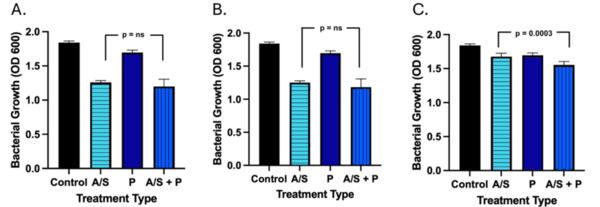
This article explores the potential of piperine, a bioenhancer from black pepper, to improve antibiotic efficacy against antibiotic-resistant Acinetobacter baumannii. By combining piperine with ampicillin-sulbactam, the study demonstrated a significant reduction in bacterial growth for most strains tested, showcasing the promise of bioenhancers in combating resistant pathogens. This research highlights the possibility of reducing the required antibiotic dosage, potentially offering a new strategy in the fight against drug-resistant bacteria.

Read More...

In silico modeling of emodin’s interactions with serine/threonine kinases and chitosan derivatives

Suresh et al. | Jan 10, 2022

<i>In silico</i> modeling of emodin’s interactions with serine/threonine kinases and chitosan derivatives

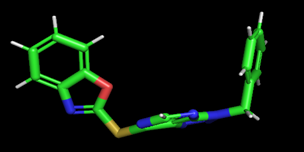
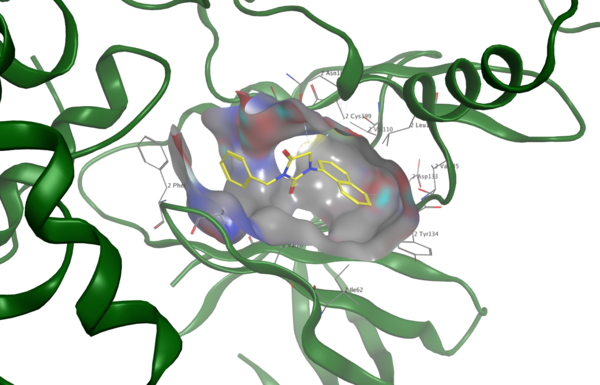
Here, through protein-ligand docking, the authors investigated the effect of the interaction of emodin with serine/threonine kinases, a subclass of kinases that is overexpressed in many cancers, which is implicated in phosphorylation cascades. Through molecular dynamics theyfound that emodin forms favorable interactions with chitosan and chitosan PEG (polyethylene glycol) copolymers, which could aid in loading drugs into nanoparticles (NPs) for targeted delivery to cancerous tissue. Both polymers demonstrated reasonable entrapment efficiencies, which encourages experimental exploration of emodin through targeted drug delivery vehicles and their anticancer activity.

Read More...

Assessing the Efficacy of NOX Enzyme Inhibitors as Potential Treatments for Ischemic Stroke in silico

Vinay et al. | Sep 18, 2020

Assessing the Efficacy of NOX Enzyme Inhibitors as Potential Treatments for Ischemic Stroke <i>in silico</i>

Ischemic stroke occurs when blood flow to the brain is interrupted, causing brain damage. This study investigated the effectiveness of different NOX inhibitors as treatments for ischemic stroke in silico. The results help corroborate previous in vivo and in vitro studies in an in silico format, and can be used towards developing drugs to treat ischemic stroke.

Read More...

DyGS: A Dynamic Gene Searching Algorithm for Cancer Detection

Wang et al. | Jun 05, 2018

DyGS: A Dynamic Gene Searching Algorithm for Cancer Detection

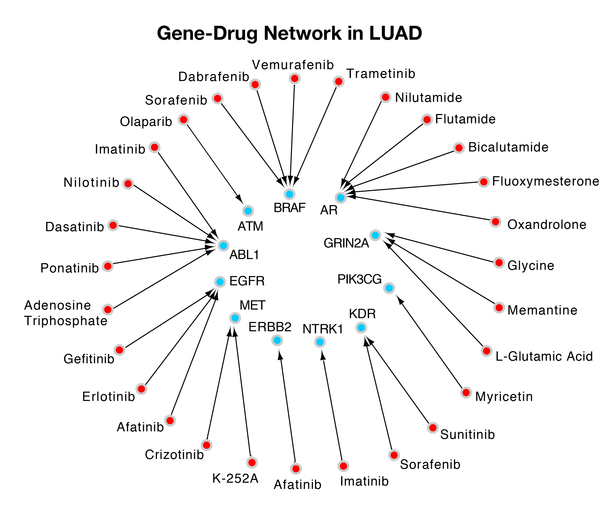
Wang and Gong developed a novel dynamic gene-searching algorithm called Dynamic Gene Search (DyGS) to create a gene panel for each of the 12 cancers with the highest annual incidence and death rate. The 12 gene panels the DyGS algorithm selected used only 3.5% of the original gene mutation pool, while covering every patient sample. About 40% of each gene panel is druggable, which indicates that the DyGS-generated gene panels can be used for early cancer detection as well as therapeutic targets in treatment methods.

Read More...