Browse Articles

Idotea balthica comparison: Anatomy, locomotion, and seaweed preference of Massachusetts isopods

Yee et al. | Feb 17, 2022

<em>Idotea balthica</em> comparison: Anatomy, locomotion, and seaweed preference of Massachusetts isopods

Here the authors examined a population of Massachusetts marine isopods, seeking to classify them based on comparison of their morphology, movement, and seaweed preference compared to those of known species. In this process they found that they were most similar to Idotea balthica. The authors suggest that this knowledge combined with monitoring populations of marine biology such as these isopods in different physical and ecological areas can provide useful insight into the effects of climate change.

Read More...

Enhancing marine debris identification with convolutional neural networks

Wahlig et al. | Apr 03, 2024

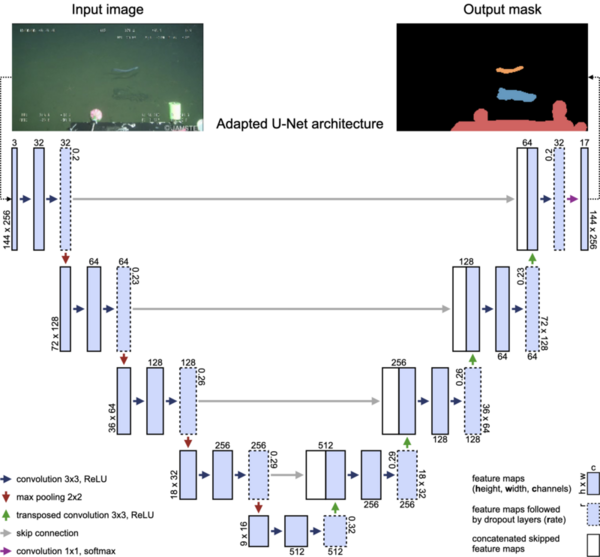
Enhancing marine debris identification with convolutional neural networks
Image credit: The authors

Plastic pollution in the ocean is a major global concern. Remotely Operated Vehicles (ROVs) have promise for removing debris from the ocean, but more research is needed to achieve full effectiveness of the ROV technology. Wahlig and Gonzales tackle this issue by developing a deep learning model to distinguish trash from the environment in ROV images.

Read More...

Ribosome distribution affects stalling in amino-acid starved cancer cells

Deng et al. | Jan 07, 2022

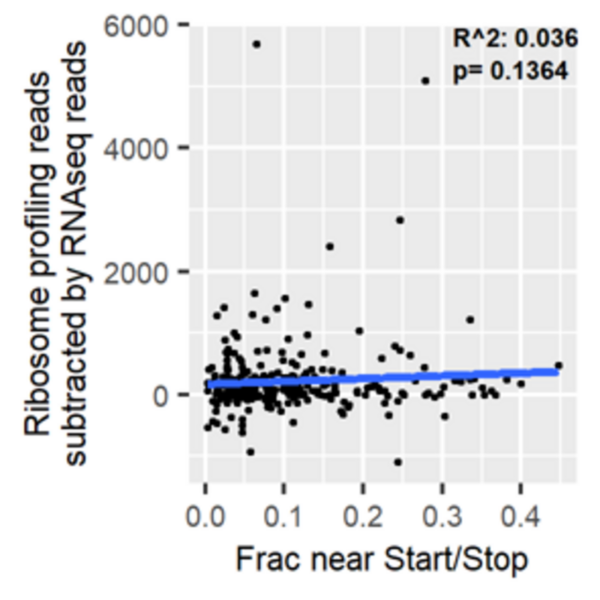
Ribosome distribution affects stalling in amino-acid starved cancer cells

In this article, the authors analyzed ribosome profiling data from amino acid-starved pancreatic cancer cells to explore whether the pattern of ribosome distribution along transcripts under normal conditions can predict the degree of ribosome stalling under stress. The authors found that ribosomes in amino acid-deprived cells stalled more along elongation-limited transcripts. By contrast, they observed no relationship between read density near start and stop and disparities between mRNA sequencing reads and ribosome profiling reads. This research identifies an important relationship between read distribution and propensity for ribosomes to stall, although more work is needed to fully understand the patterns of ribosome distribution along transcripts in ribosome profiling data.

Read More...