Browse Articles

Assessing the Efficacy of NOX Enzyme Inhibitors as Potential Treatments for Ischemic Stroke in silico

Vinay et al. | Sep 18, 2020

Assessing the Efficacy of NOX Enzyme Inhibitors as Potential Treatments for Ischemic Stroke <i>in silico</i>

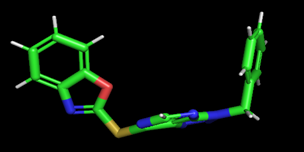
Ischemic stroke occurs when blood flow to the brain is interrupted, causing brain damage. This study investigated the effectiveness of different NOX inhibitors as treatments for ischemic stroke in silico. The results help corroborate previous in vivo and in vitro studies in an in silico format, and can be used towards developing drugs to treat ischemic stroke.

Read More...

Comparing the Effects of Different Natural Products on Reducing Tumor Growth in a Drosophila Model

Ganesh et al. | May 31, 2020

Comparing the Effects of Different Natural Products on Reducing Tumor Growth in a <i>Drosophila</i> Model

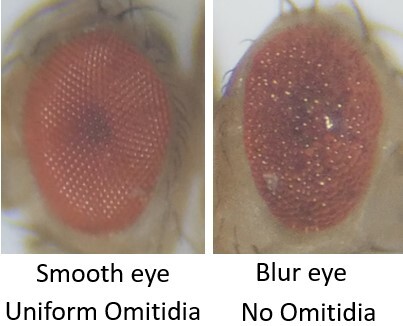
In this work, the authors compared the effects of common natural products, including sesame, cinnamon, garlic, moringa and turmeric on tumor growth in Drosophila eyes. The data showed that these natural products cannot be used to reduce tumor growth once it has completely formed. However, the data suggested that some natural products can reduce cancer cell growth when tumors are treated early.

Read More...

Impact of carbon number and atom number on cc-pVTZ Hartree-Fock Energy and program runtime of alkanes

Pan et al. | Mar 06, 2024

Impact of carbon number and atom number on cc-pVTZ Hartree-Fock Energy and program runtime of alkanes
Image credit: The authors

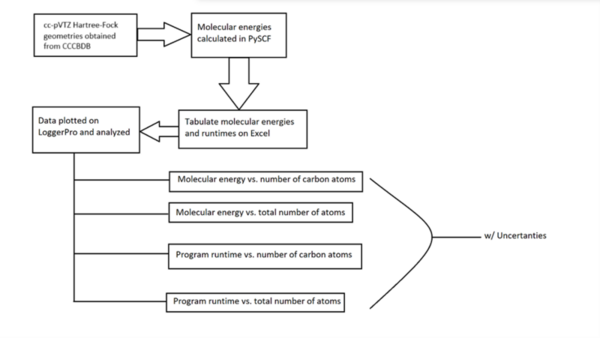
It's time-consuming to complete the calculations that are used to study nuclear reactions and energy. To uncover which computational chemistry tools are useful for this challenge, Pan, Vaiyakarnam, Li, and McMahan investigated whether the Python-based Simulations of Chemistry Framework’s Hartree-Fock (PySCF) method is an efficient and accurate way to assess alkane molecules.

Read More...

Locating sources of a high energy cosmic ray extensive air shower using HiSPARC data

Aziz et al. | Oct 24, 2023

Locating sources of a high energy cosmic ray extensive air shower using HiSPARC data

Using the data provided by the University of Twente High School Project on Astrophysics Research with Cosmics (HiSPARC), an analysis of locations for possible high-energy cosmic ray air showers was conducted. An example includes an analysis conducted of the high-energy rain shower recorded in January 2014 and the use of Stellarium™ to discern its location.

Read More...