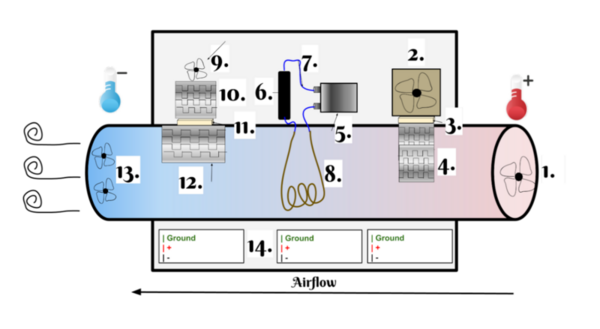
The authors set to test a system that would help with the dehumidification and overall management of greehouses.
Read More...Thermoelectric cooling in greenhouses: Implications for small-holder production
The authors set to test a system that would help with the dehumidification and overall management of greehouses.
Read More...Effects of copper sulfate exposure on the nervous system of the Hirudo verbana leech
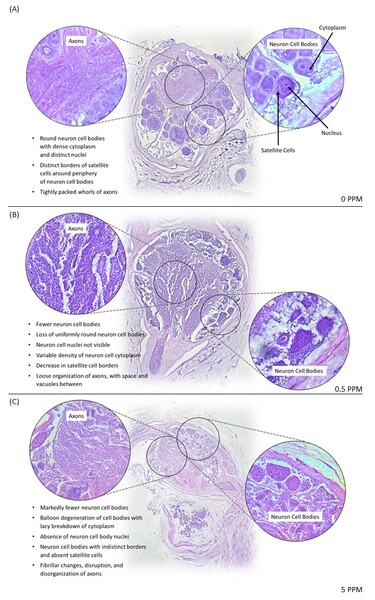
In this study, the authors test whether excess copper exposure has neurobehavioral effects on Hirudo verbana leeches.
Read More...Exposure to Schistosoma mansoni antigen induces an allergic response to peanuts in an American cockroach model
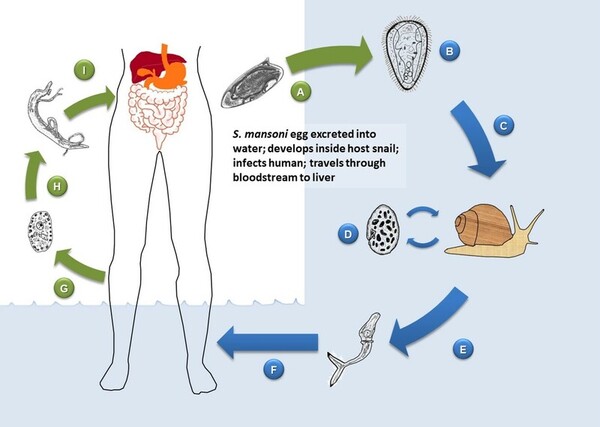
Pillai et al. look at whether exposure to Schistosoma mansoni, a parasitic blood fluke, has any relation to peanut allergies. They found that cockroaches exposed to an antigen found in S. mansoni eggs exhibited an allergic reaction to peanuts.
Read More...A Crossover Study Comparing the Effect of a Processed vs. Unprocessed Diet on the Spatial Learning Ability of Zebrafish
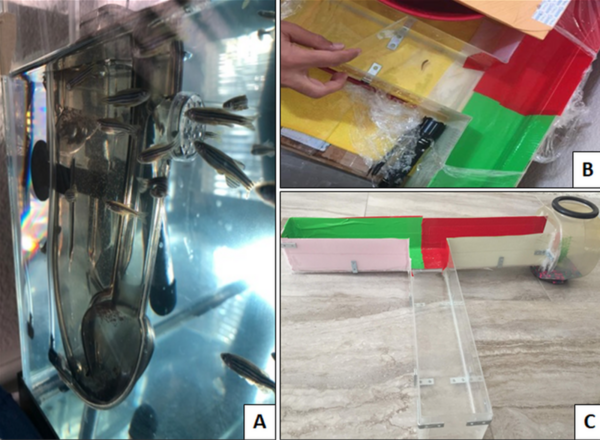
The authors compared the short-term effects of processed versus unprocessed food on spatial learning and survival in zebrafish, given the large public concern regarding processed foods. By randomly assigning zebrafish to a diet of brine shrimp flakes (processed) or live brine shrimp (unprocessed), the authors show while there is no immediate effect on a fish's decision process between the two diets, there are significant correlations between improved learning and stress response with the unprocessed diet.
Read More...A computational quantum chemical study of fluorinated Allopurinol
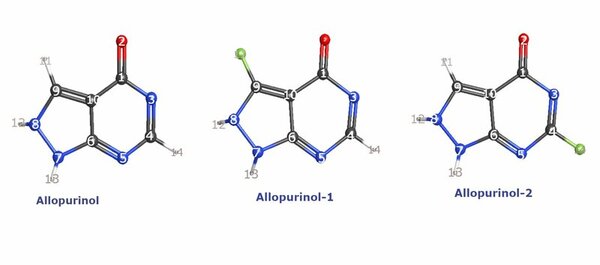
In this study, the impact of fluorination of heterocyclic drug Allopurinol on its stability and other chemical properties is investigated.
Read More...Gene expression profiling of MERS-CoV-London strain
%20(1).png)
In this study, the authors identify transcripts and gene networks that are changed after infection with the Middle East Respiratory Syndrome-related coronavirus (MERS-CoV).
Read More...Decolorization of textile dyes by edible white rot fungi

As fast fashion explodes in popularity, the fashion industry remains one of the most prominent industries responsible for pollution. This pollution includes a lack of treatment for textile dyes that remain toxic or carcinogenic as they persist in wastewater. To resolve this, the authors of this study set out to determine the efficacy of using edible white rot fungi for cell-based biodegradation of textile dyes into harmless chemicals. This method takes advantage of fungi found in excess from the fungi industry, decreasing food waste while addressing textile waste in tandem.
Read More...Taft linear free-energy relationships in the biocatalytic hydrolysis of sterically hindered nitrophenyl ester substrates
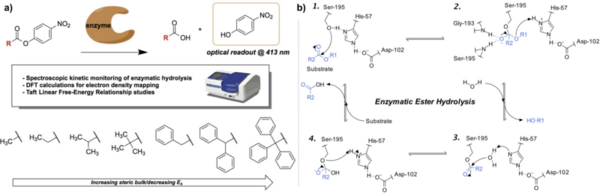
This study applies Taft linear free-energy relationships to study kinetic trends in the enzymatic hydrolysis of sterically hindered substrates.
Read More...Expressional correlations between SERPINA6 and pancreatic ductal adenocarcinoma-linked genes
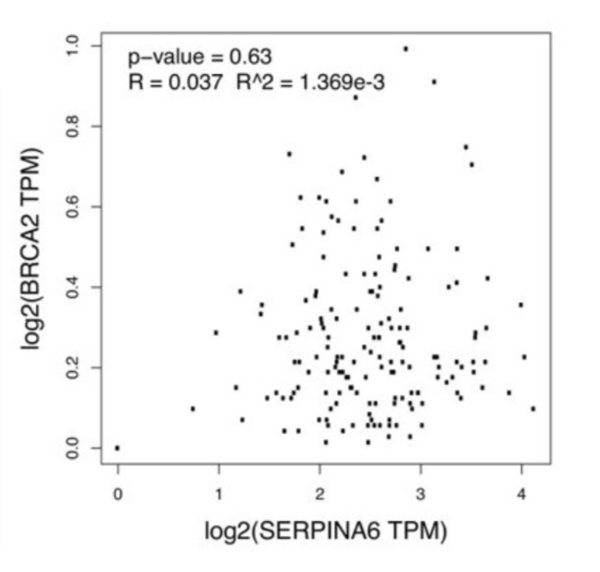
Pancreatic ductal adenocarcinoma (PDAC) is the most common form of pancreatic cancer, with early diagnosis and treatment challenges. When any of the genes KRAS, SMAD4, TP53, and BRCA2 are heavily mutated, they correlate with PDAC progression. Cellular stress, partly regulated by the gene SERPINA6, also correlates with PDAC progression. When SERPINA6 is highly expressed, corticosteroid-binding globulin inhibits the effect of the stress hormone cortisol. In this study, the authors explored whether there is an inverse correlation between the expression of SERPINA6 and PDAC-linked genes.
Read More...Utilizing 25-Hydroxyvitamin D3 to prevent the appearance of diabetic-like phenotypes in Drosophila melanogaster
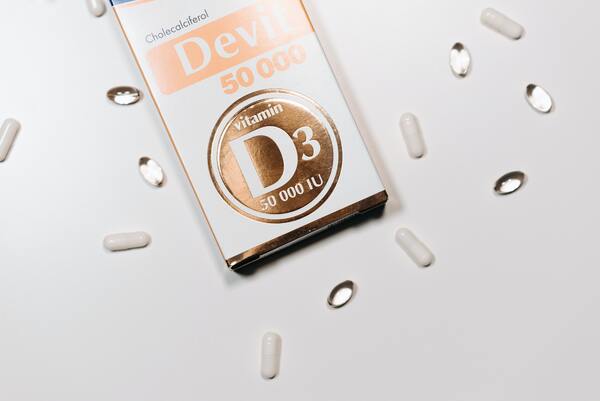
This study aimed to assess the role of 25-hydroxyvitamin D3 solution, at varying concentrations, in protecting vertical transmission of diabetic-like phenotypes. We hypothesized that the highest concentration of vitamin D solution (55 ng/mL) would be most effective in having a protective role. The results indicated that the hypothesis was partially supported; overall, all three concentrations of the vitamin D solution administered to the flies reared on HSDs had a protective effect, to varying extents.
Read More...