Browse Articles

Allelopathic Effects of Kudzu (Pueraria montana) on Seed Germination and Their Potential Use As a Natural Herbicide

Mathur et al. | Dec 19, 2013

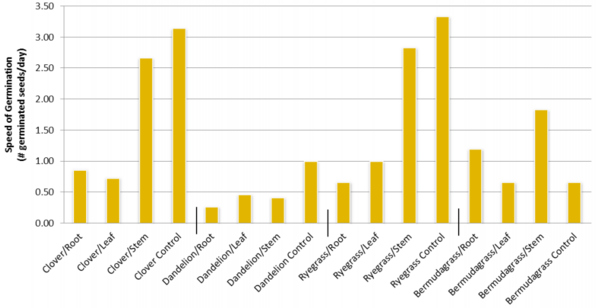
Allelopathic Effects of Kudzu (<em>Pueraria montana</em>) on Seed Germination and Their Potential Use As a Natural Herbicide

Plants in the wild compete with each other for nutrients and sunlight. Kudzu is a weed that is thought to secrete compounds that inhibit the growth of other plants. Here the authors find that certain parts of kudzu plants can block the germination of clover and dandelion seeds. These experiments may lead to a weed killer that is safe and naturally derived.

Read More...
Osmotic characteristics of water retention structures of Bursera microphylla in relation to soil salinity

Groom et al. | Jul 12, 2023

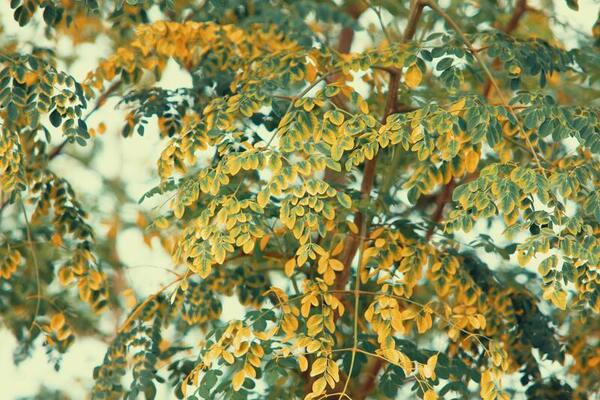
Osmotic characteristics of water retention structures of <i>Bursera microphylla</i> in relation to soil salinity
Image credit: Lisa Fotios

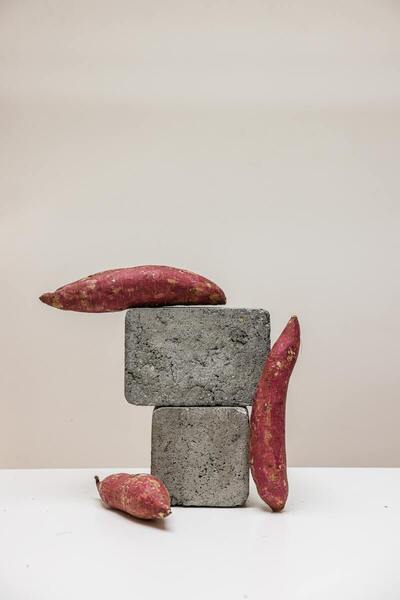
This study hypothesized that sodium chloride was taken up through plant root structures to facilitate water transportation, and that sodium chloride accumulation was directly proportional to the soil salinity. Results showed that most cells within the “bulb” structures were isotonic at a concentration approximately twice as high as that of root tissue and ambient soil salinity, therefore supporting the presented hypothesis.

Read More...

Investigating auxin import and export proteins in Chlorella vulgaris

Wang et al. | Apr 19, 2025

Investigating auxin import and export proteins in <i>Chlorella vulgaris</i>

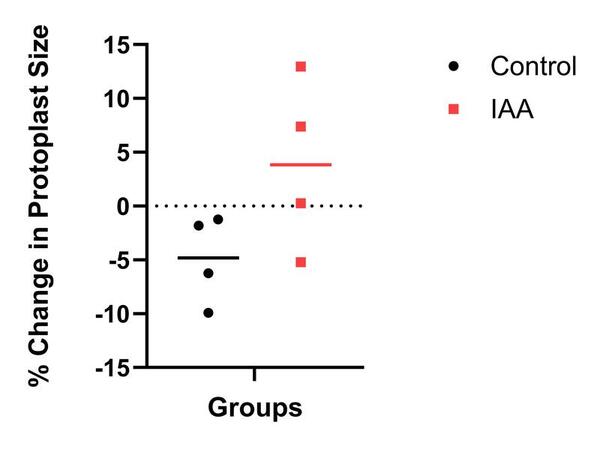
This study explores auxin signaling in Chlorella vulgaris, a green alga with potential for sustainable biofuel and food production. Evidence from protoplast swelling experiments suggests that C. vulgaris secretes auxin and possesses auxin import proteins, highlighting previously uncharacterized signaling pathways. These findings could support more efficient cultivation and resource extraction strategies.

Read More...

Creating a Phenology Trail Around Central Park Pond

Flynn et al. | Jul 16, 2020

Creating a Phenology Trail Around Central Park Pond

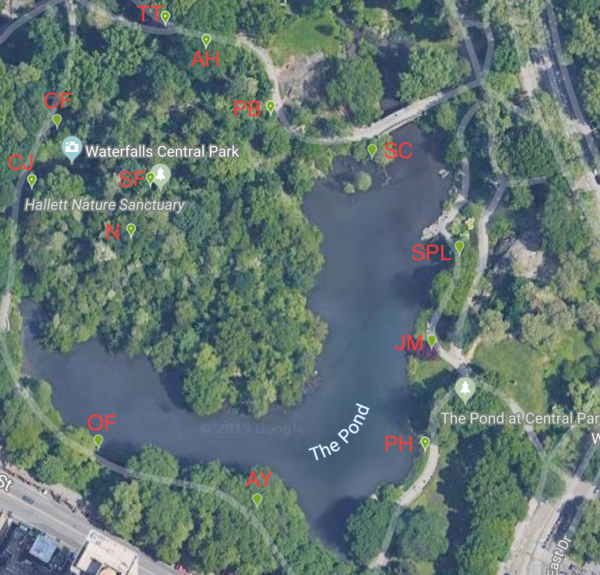
This study aimed to determine whether the life cycle stages, or phenophases, of some plants in the urban environment of Central Park, New York, differ from the typical phenophases of the same plant species. The authors hypothesized that the phenophases of the thirteen plants we studied would differ from their typical phenophases due to the urban heat island effect. Although the phenophases of five plants matched up with typical trends, there were distinct changes in the phenophases of the other eight, possibly resulting from the urban heat island effect.

Read More...

The Effect of Neem on Common Nosocomial Infection-Causing Organisms

Shah et al. | Jan 27, 2020

The Effect of Neem on Common Nosocomial Infection-Causing Organisms

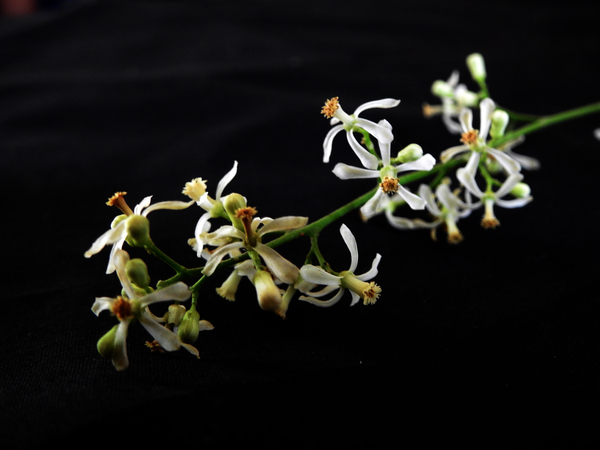
Nosocomial infections acquired in hospitals pose a risk to patients, a risk compounded by resistant microorganisms. To combat this problem, researchers have turned to bioactive compounds from medicinal plants such as the widely used neem. In the present study, researchers sought to determine the effectiveness of different neem preparations against several hospital acquired human pathogens. Neem powder in water successfully inhibited microorganism growth making it a potential agent to combat these infections.

Read More...

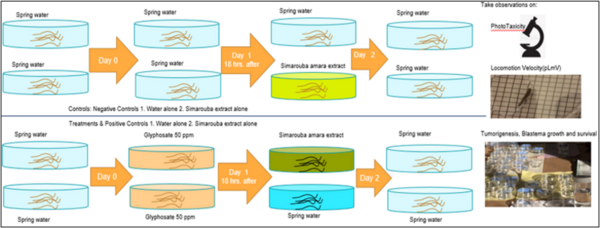
Testing Simarouba amara’s therapeutic effects against weedicide-induced tumor-like morphology in planarians

Thiagarajan et al. | Apr 26, 2024

Testing Simarouba amara’s therapeutic effects against weedicide-induced tumor-like morphology in planarians

According to the World Health Organization, cancer is a leading cause of death globally. The disease’s prevalence is rapidly increasing in association with factors including the increased use of pesticides and herbicides, such as glyphosate, which is one of the most widely used herbicide ingredients. Natural antioxidants and phytochemicals are being tested as anti-cancer agents due to their antiproliferative, antioxidative, and pro-apoptotic properties. Thus, we aimed to investigate the potential role of S. amara extract as a therapeutic agent against glyphosate-induced toxicity and tumor-like morphologies in regenerating and homeostatic planaria (Dugesia dorotocephala).

Read More...