Browse Articles

Different volumes of acetic acid affect the oxygen production of spinach leaves during photosynthesis

Wang et al. | Feb 24, 2023

Different volumes of acetic acid affect the oxygen production of spinach leaves during photosynthesis

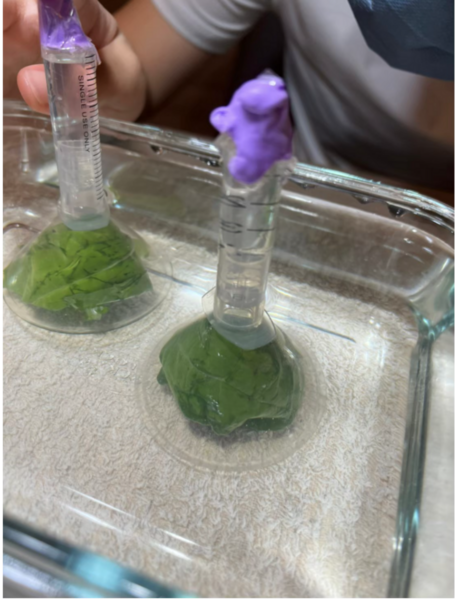
The burning of fossil fuels, leading to an increased amount of carbon emissions, is the main cause of acid rain. Acid rain affects the process of photosynthesis, which makes the topic valuable to investigate. Our group utilizes plants to further investigate the relationship between pH value and photosynthesis. In this experiment, our group hypothesized that rain with a lower pH will decrease the rate of photosynthesis, causing less oxygen to be produced in the reaction.

Read More...

Tap water quality analysis in Ulaanbaatar City

Munkhbat et al. | Sep 25, 2022

Tap water quality analysis in Ulaanbaatar City

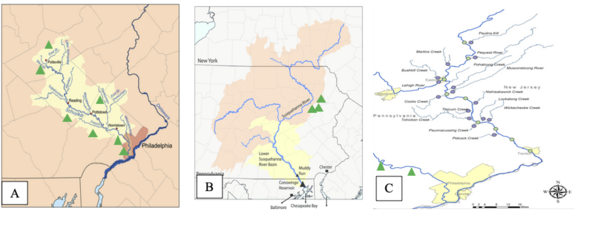
There have been several issues concerning the water quality in Ulaanbaatar, Mongolia in the past few years. This study, we collected 28 samples from 6 districts of Ulaanbaatar to check if the water supply quality met the standards of the World Health Organization, the Environmental Protection Agency, and a Mongolian National Standard. Only three samples fully met all the requirements of the global standards. Samples in Zaisan showed higher hardness (>120 ppm) and alkalinity levels (20–200 ppm) over the other districts in the city. Overall, the results show that it is important to ensure a safe and accessible water supply in Ulaanbaatar to prevent future water quality issues.

Read More...

Repurposing citrus peel waste and its positive effects on our health and communities

Kim et al. | Feb 08, 2021

Repurposing citrus peel waste and its positive effects on our health and communities

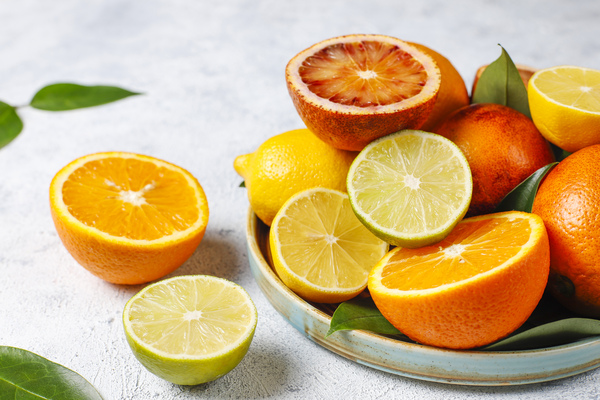
Every year, more than 30% of food products go to waste. This is approximately 1.3 billion tons of food, which is equivalent to 1.3 trillion U.S. dollars. While conventional solid waste treatments and fertilization of food waste are common, citrus fruit peels require secondary applications and advanced disposal management due to their low pH values and high antimicrobial characteristics. Since citrus fruits are well-known sources of vitamin C and antioxidants, we hypothesized that their peels also contain high amounts of vitamin C and antioxidants. In our study, five common citrus peels including grapefruit, lemon, lime, orange, and tangerine, were used to determine the amounts of vitamin C and total soluble antioxidants.

Read More...
The impacts of different Al(NO3)3 concentrations on the mitotic index of Allium sativum

Jimenez Pol et al. | Jul 10, 2023

The impacts of different Al(NO<sub>3</sub>)<sub>3</sub> concentrations on the mitotic index of <i>Allium sativum</i>
Image credit: Kylie Paz

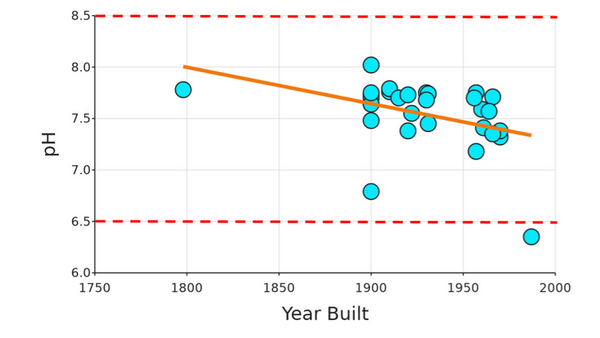
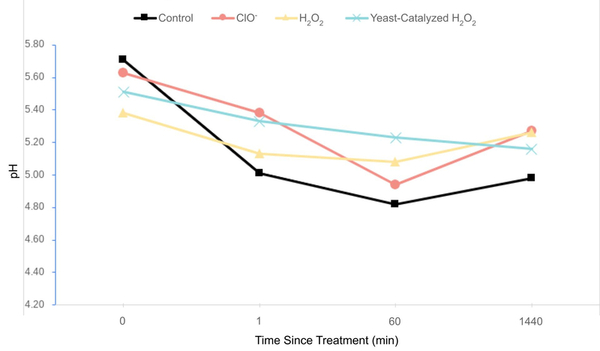
Recognizing the increasing threat of acid deposition inn soil through the reaction of NOx and SO2 pollutants with water in Spain, the authors investigates the effects of Al(NO3)3 concentrations on the health of Allium sativum. By tracking its mitotic index, they found a negative exponential correlation between Al(NO3)3 concentrations and the mitotic index of A. sativum.

Read More...

pH-dependent drug interactions with acid reducing agents

Lin et al. | Nov 12, 2024

pH-dependent drug interactions with acid reducing agents
Image credit: The authors

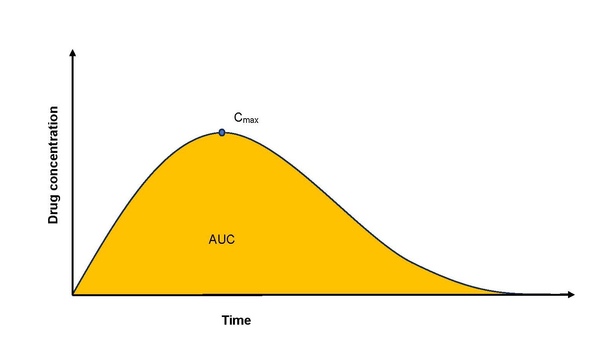
Some cancer treatments lose efficacy when combined with treatments for excessive stomach acid, due to the changes in the stomach environment caused by the stomach acid treatments. Lin and Lin investigate information on oral cancer drugs to see what information is available on interactions of these drugs.

Read More...

Development of a pH-sensing hydrogel wound dressing for early infection monitoring for all skin color types

L. Chong et al. | Sep 07, 2026

Development of a pH-sensing hydrogel wound dressing for early infection monitoring for all skin color types

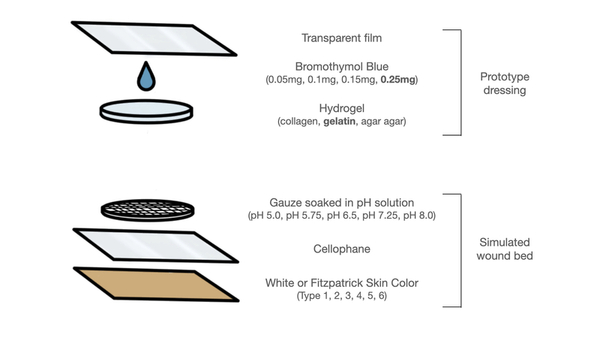
This paper develops a gelatin-based hydrogel dressing infused with bromothymol blue dye that visibly changes from yellow to blue as wound pH rises from 5.0 to 8.0, signaling possible infection. The color shift was visually detectable and statistically significant across all six Fitzpatrick skin tones, suggesting a low-cost ($0.40/dressing) tool for early infection monitoring in settings with limited access to care.

Read More...