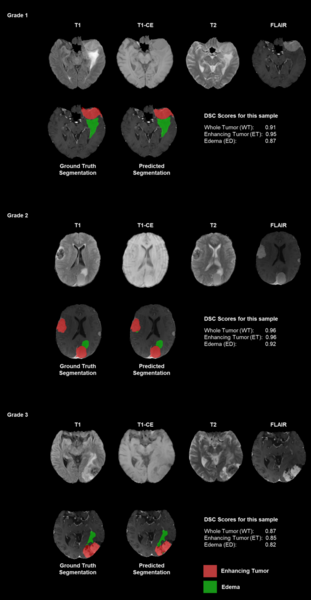
Authors emphasize the challenges of manual tumor segmentation and the potential of deep learning models to enhance accuracy by automatically analyzing MRI scans.
Read More...Evaluating the clinical applicability of neural networks for meningioma tumor segmentation on 3D MRI
Authors emphasize the challenges of manual tumor segmentation and the potential of deep learning models to enhance accuracy by automatically analyzing MRI scans.
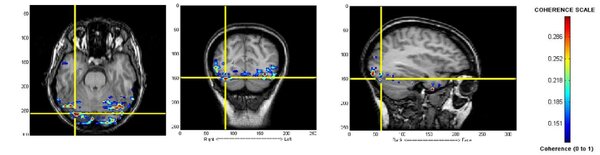
Read More...Functional Network Connectivity: Possible Biomarker for Autism Spectrum Disorders (ASD)
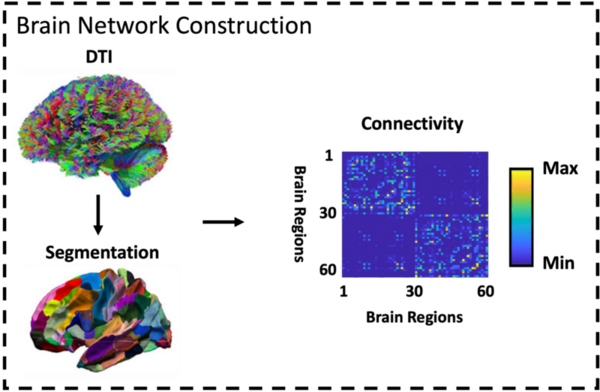
Autism spectrum disorder (ASD) is a complex neurodevelopmental disorder and is difficult to diagnose in young children. Here magnetoencephalography was used to compare the brain activity in patients with ASD to patients in a control group. The results show that patients with ASD have a high level of activity in different areas of the brain than those in the control group.
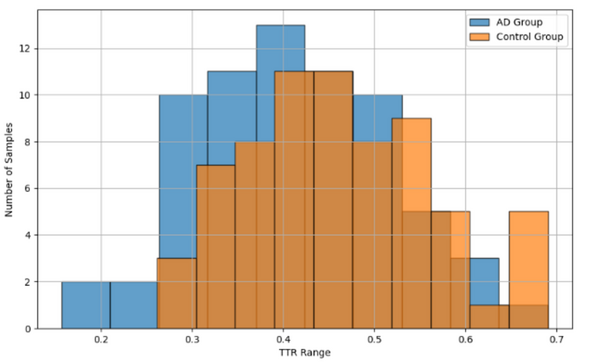
Read More...Decline in vocabulary richness in individuals with Alzheimer's disease
The authors looked at how vocabulary is impacted in Alzheimer's disease and whether it could be used a predictor of disease onset.
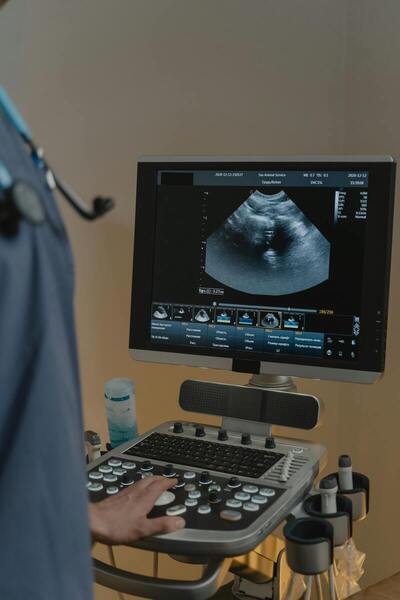
Read More...A 1D model of ultrasound waves for diagnosing of hepatomegaly and cirrhosis
The authors created a 1D model to diagnose hepatomegaly and cirrhosis via ultrasound of the liver.
Read More...A comparative analysis of machine learning approaches to predict brain tumors using MRI
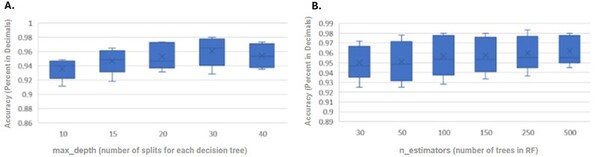
The authors use machine learning on MRI images of brain tissue to predict tumor onset as an avenue for early detection of brain cancer.
Read More...Predictions of neural control deficits in elders with subjective memory complaints and Alzheimer’s disease
The authors compare neuroimaging datasets to identify potential new biomarkers for earlier detection of Alzheimer's disease.
Read More...A novel approach for predicting Alzheimer’s disease using machine learning on DNA methylation in blood
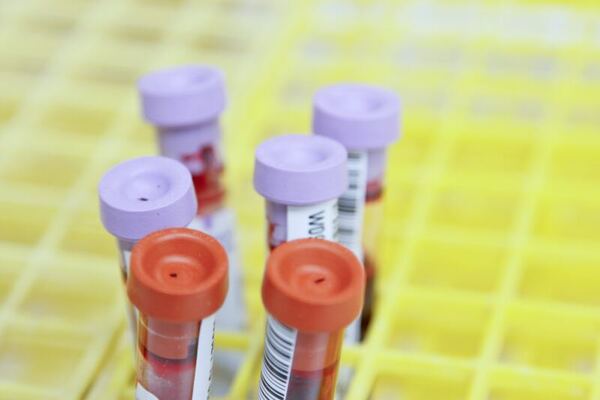
Here, recognizing the difficulty associated with tracking the progression of dementia, the authors used machine learning models to predict between the presence of cognitive normalcy, mild cognitive impairment, and Alzheimer's Disease, based on blood DNA methylation levels, sex, and age. With four machine learning models and two dataset dimensionality reduction methods they achieved an accuracy of 53.33%.
Read More...A novel bioreactor system to purify contaminated runoff water
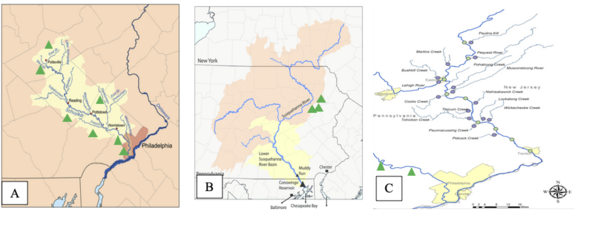
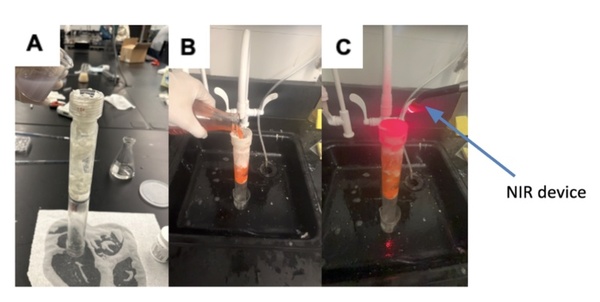
In this study, the authors engineer a cost-effective and bio-friendly water purification system using limestone, denitrifying bacteria, and sulfate-reducing bacteria. They evaluated its efficacy with samples from Eastern PA industrial sites.
Read More...DyGS: A Dynamic Gene Searching Algorithm for Cancer Detection
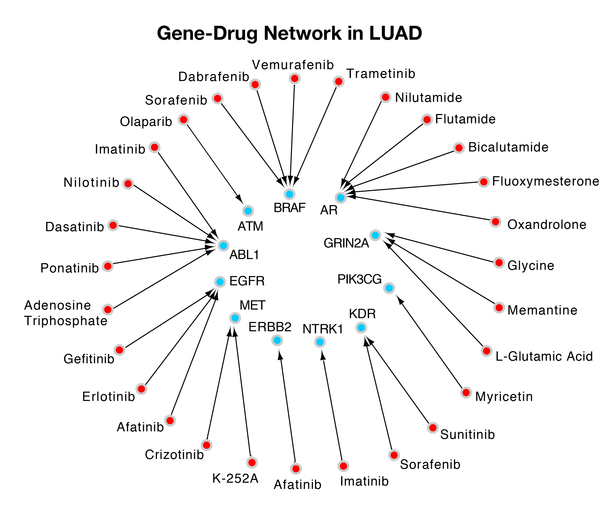
Wang and Gong developed a novel dynamic gene-searching algorithm called Dynamic Gene Search (DyGS) to create a gene panel for each of the 12 cancers with the highest annual incidence and death rate. The 12 gene panels the DyGS algorithm selected used only 3.5% of the original gene mutation pool, while covering every patient sample. About 40% of each gene panel is druggable, which indicates that the DyGS-generated gene panels can be used for early cancer detection as well as therapeutic targets in treatment methods.
Read More...Predicting sickle cell vaso-occlusion by microscopic imaging and modeling
The authors use blood smears from individuals with sickle cell disease to correlate sickle cell frequency with the occurrence of vaso-occlusive crises.
Read More...