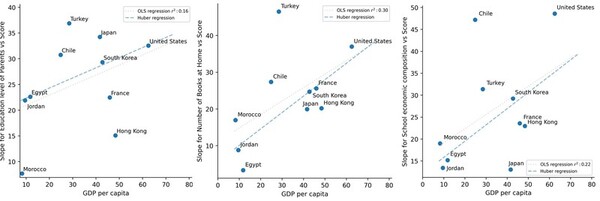
This study examines how socioeconomic status (SES) influences student mathematics achievement across countries by conducting multiple regression analyses to the Trends in International Mathematics and Science Study (TIMSS) 2019 dataset.
Read More...Comparative data analysis on the effect of socioeconomic factors on math proficiency
This study examines how socioeconomic status (SES) influences student mathematics achievement across countries by conducting multiple regression analyses to the Trends in International Mathematics and Science Study (TIMSS) 2019 dataset.
Read More...Energy beverages and sugar: How sweetener type dictates specific gravity
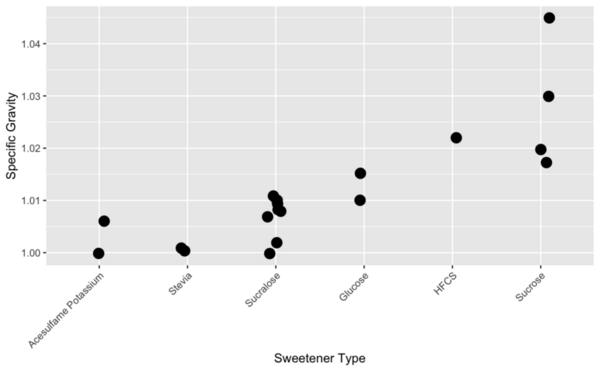
The authors looked at different factors that influence specific gravity in beverages, including sweetener used, caffeine, carbonation, and sodium.
Read More...Exploring the Factors that Drive Coffee Ratings
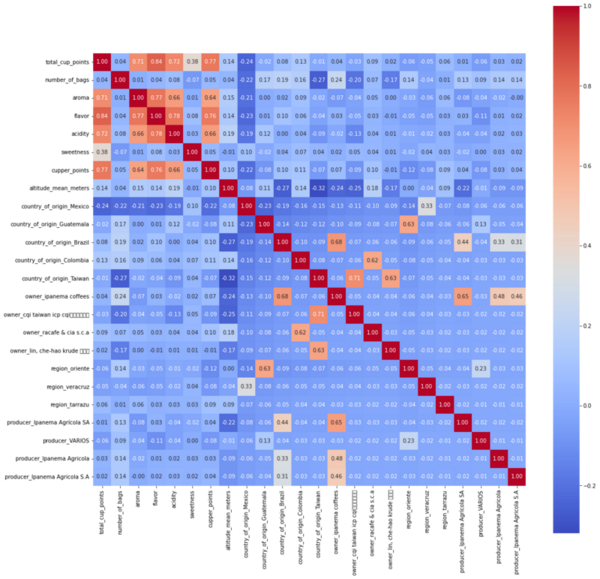
This study explores the factors that influence coffee quality ratings using data from the Coffee Quality Institute. Through a regression model based on gradient descent, the authors aimed to predict coffee ratings (total cup points) and hypothesized that sweetness and the coffee producer would be the most influential factors.
Read More...High school students’ attitudes towards diverse cultures and ethnicities
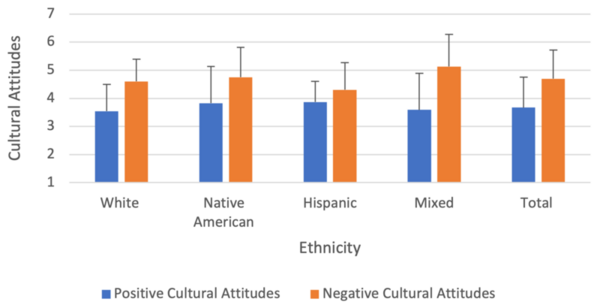
The authors looked at how a student's own background influence their attitude towards integration of diverse cultures and ethnicities. While overall students viewed other groups positively, the authors found that groups still indicated they felt judged by their peers.
Read More...Using data science along with machine learning to determine the ARIMA model’s ability to adjust to irregularities in the dataset
Auto-Regressive Integrated Moving Average (ARIMA) models are known for their influence and application on time series data. This statistical analysis model uses time series data to depict future trends or values: a key contributor to crime mapping algorithms. However, the models may not function to their true potential when analyzing data with many different patterns. In order to determine the potential of ARIMA models, our research will test the model on irregularities in the data. Our team hypothesizes that the ARIMA model will be able to adapt to the different irregularities in the data that do not correspond to a certain trend or pattern. Using crime theft data and an ARIMA model, we determined the results of the ARIMA model’s forecast and how the accuracy differed on different days with irregularities in crime.
Read More...Predicting the spread speed of red imported fire ants under different temperature conditions in China
The authors looked at non-natural factors that influenced the spread rate of fire ants in multiple cities in China.
Read More...Analysis of antibiotic resistance genes in publicly accessible Staphylococcus aureus genomes
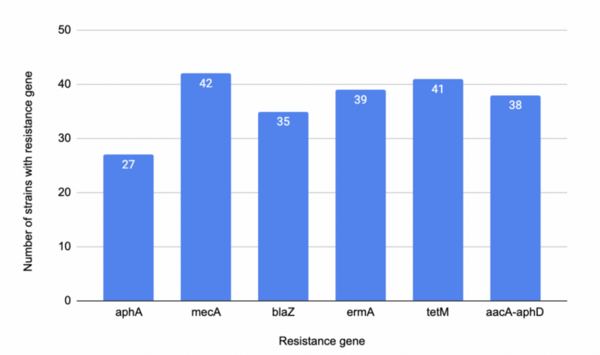
The authors looked at how the presence of difference antibiotic resistance genes would influence antibiotic resistance in Staphylococcus aureus.
Read More...Unit-price anchoring affects consumer purchasing behavior
This study examines how anchoring—providing numerical suggestions like "2 for $4"—can influence consumer purchasing decisions and increase revenue. The researchers tested three types of price anchors on 29 high school students shopping in a mock store.
Read More...Extracellular vesicles derived from oxidatively stressed stromal cells promote cancer progression
This paper hypothesized that the tumor microenvironment mediates cancer’s response to oxidative stress by delivering extracellular vesicles to cancer cells. Breast and lung cancer cells were treated with EVs, reavealing that EVs extracted from oxidatively stressed adipocytes increased the cell proliferation of breast cancer cells. These findings present a novel way that the TME influences cancer progression.
Read More...Predicting voting and union support in certification elections: Evidence from Starbucks workers, 2021-2024
The authors looked at unionization petitions from Starbucks workers between August 2021 and July 2024 to determine what factors influence votes for or against unionization.
Read More...