Reimagize, a role-playing with decision-making, was conjured, implementing social psychological concepts like counter-stereotyping and perspective-taking. As the game works implicitly to influence body image, it even counters image issues beyond personal body dissatisfaction. This study explored whether a digital role-playing card game, incorporating some of the most common prejudices of body image (like size prejudice, prejudices from the media, etc.) as identified by a digital survey/questionnaire completed by Indian girls aged 11-21, could counter these issues and reduce personal body dissatisfaction.
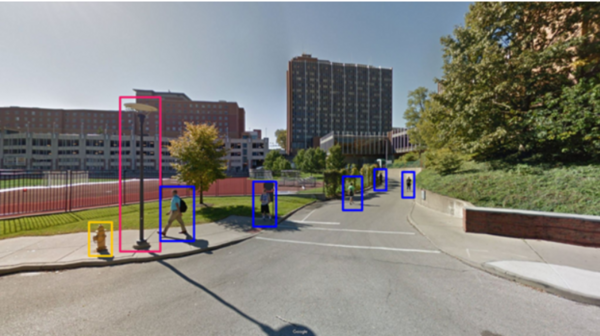
Every year, around 40% of undergraduate students in the United States discontinue their studies, resulting in a loss of valuable education for students and a loss of money for colleges. Even so, colleges across the nation struggle to discover the underlying causes of these high dropout rates. In this paper, the authors discuss the use of machine learning to find correlations between the built environment factors and the retention rates of colleges. They hypothesized that one way for colleges to improve their retention rates could be to improve the physical characteristics of their campus to be more pleasing. The authors used image classification techniques to look at images of colleges and correlate certain features like colors, cars, and people to higher or lower retention rates. With three possible options of high, medium, and low retention rates, the probability that their models reached the right conclusion if they simply chose randomly was 33%. After finding that this 33%, or 0.33 mark, always fell outside of the 99% confidence intervals built around their models’ accuracies, the authors concluded that their machine learning techniques can be used to find correlations between certain environmental factors and retention rates.
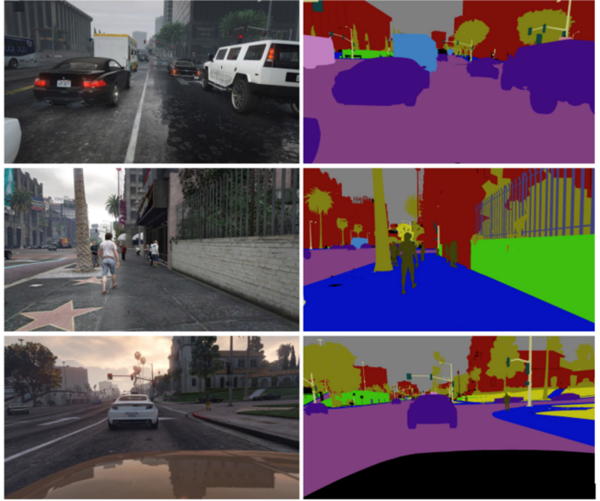
Semantic segmentation - labelling each pixel in an image to a specific class- models require large amounts of manually labeled and collected data to train.
The purpose of this study was to determine the necessity of previous non-algorithmic attacks (Adversarial Training) in light of algorithmic defense methods (Gradient Masking and Defensive Distillation) against FGSM attacks. We found a significant increase in image classification accuracy from defense methods with the non-algorithmic defense method compared to ones without. By analyzing the significance with a McNemar test, we determined that the inclusion of non-algorithmic defense methods is still necessary in light of new algorithmic defense methods.
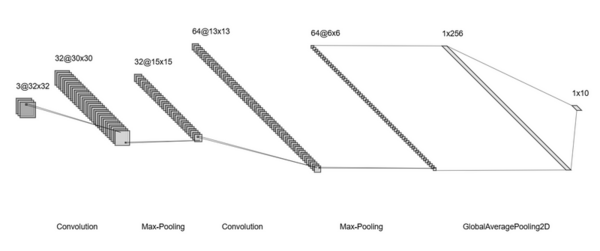
In this study, the authors seek to improve a machine learning algorithm used for image classification: identifying male and female images. In addition to fine-tuning the classification model, they investigate how accuracy is affected by their changes (an important task when developing and updating algorithms). To determine accuracy, a set of images is used to train the model and then a separate set of images is used for validation. They found that the validation accuracy was close to the training accuracy. This study contributes to the expanding areas of machine learning and its applications to image identification.
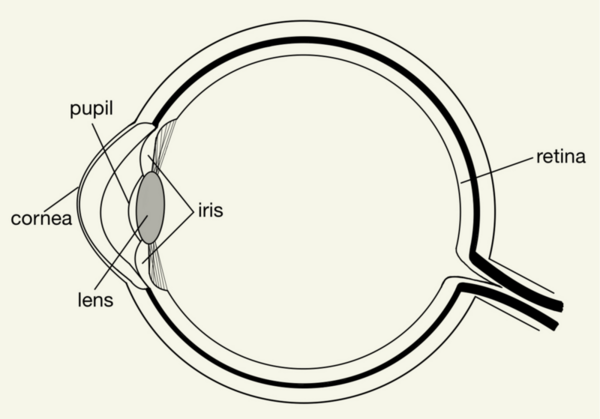
People are quick to accept the assumption that a light will appear dimmer the farther away they are, citing the inverse square relationship that illuminance obeys as rationale. However, repeated observations of light sources maintaining their brightness over large distances prompted us to explore how the brightness, or perceived illuminance of a light varies with the viewing distance from the object. We hypothesized that since both the illuminance of the light source and image size decrease at the same rate, then the concentration, or intensity of the image remains unchanged, and subsequently the perceived illuminance.
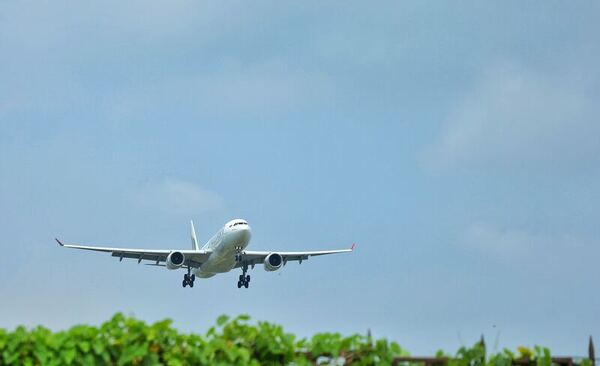
Greenspaces (urban and wetland areas that contain vegetation) are beneficial to reducing pollution, while airplanes are a highly-polluting method of transportation. The authors examine the intersection of these two environmental factors by processing satellite images to reveal what percentage of flight paths go over greenspaces at major US airports.
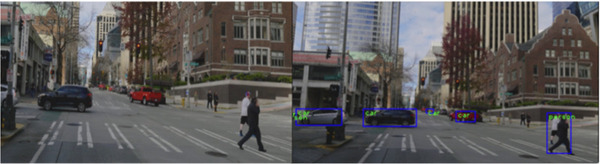
Intelligent vehicles utilize a combination of video-enabled object detection and radar data to traverse safely through surrounding environments. However, since the most momentary missteps in these systems can cause devastating collisions, the margin of error in the software for these systems is small. In this paper, we hypothesized that a novel object detection system that improves detection accuracy and speed of detection during adverse weather conditions would outperform industry alternatives in an average comparison.
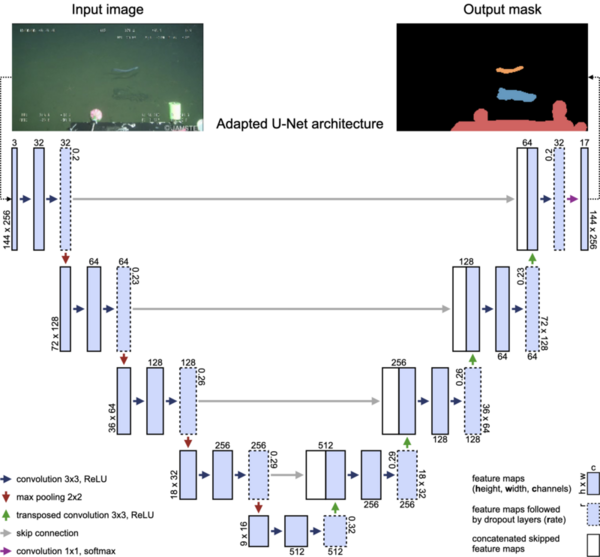
Plastic pollution in the ocean is a major global concern. Remotely Operated Vehicles (ROVs) have promise for removing debris from the ocean, but more research is needed to achieve full effectiveness of the ROV technology. Wahlig and Gonzales tackle this issue by developing a deep learning model to distinguish trash from the environment in ROV images.
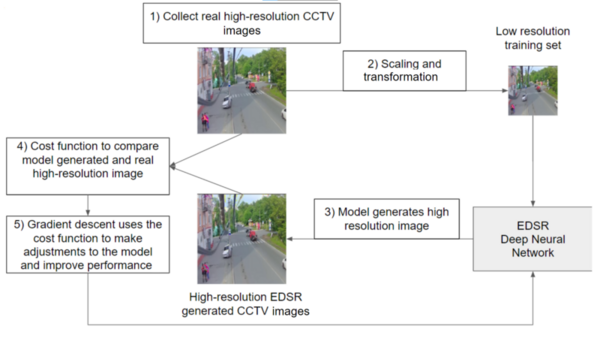
In this study, the authors hypothesized that closed-circuit television images could be stored with improved resolution by using enhanced deep residual (EDSR) networks.