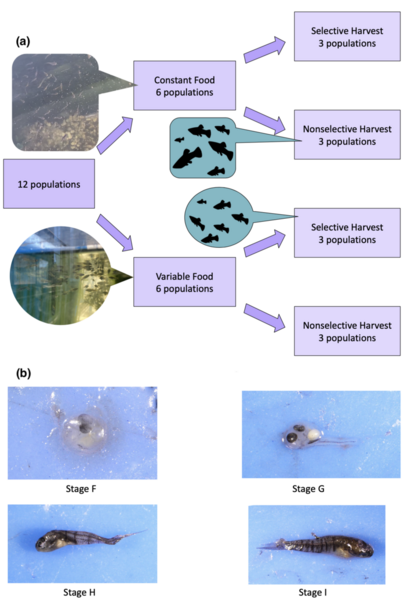
The authors looked at the impact of different harvest and feeding treatments on Heterandria formosa over three generations as a model for changes in marine ecosystems.
Read More...Observing food and density effects on the reproductive strategies of Heterandria formosa
The authors looked at the impact of different harvest and feeding treatments on Heterandria formosa over three generations as a model for changes in marine ecosystems.
Read More...Exploring natural ways to maintain keratin production in hair follicles
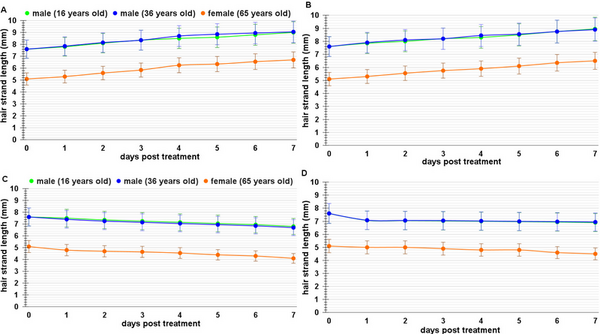
We are looking into natural ways to help hair grow better and stronger by studying keratin synthesis in human hair follicles. The reason for conducting this research was to have the ability to control hair growth through future innovations. We wanted to answer the question: How can we find natural ways to enhance hair growth by understanding the connection with natural resources, particularly keratin dynamics? The main focus of this experiment is understanding the promotion of keratin synthesis within human hair follicles, which is important for hair development and health. While keratin is essential for the growth and strength of body tissues, including skin and hair, our research hints at its specific synthesis within hair follicles. In our research utilizing castor oil, coconut oil, a turmeric and baking soda mixture, and a sugar, honey, and lemon mixture, we hypothesize that oils, specifically coconut oil and castor oil, will enhance keratin synthesis, whereas mixtures, such as the turmeric and baking soda mixture and the sugar, honey, and lemon mixture, will result in a decrease keratin synthesis. The methods used show how different natural substances influence keratin formation within the hair follicles. The experiment involved applying natural resources to hair strands and follicles, measuring their length under the microscope daily, and assessing their health and characteristics over seven days. In summary, our research helps us understand how hair grows better. We found that using natural items like essential oils effectively alters keratin growth within the hair follicles and hair strands.
Read More...Evaluation of in vitro anti-inflammatory effect of PLAY® on UC-MSCs: A COX-2 expression study
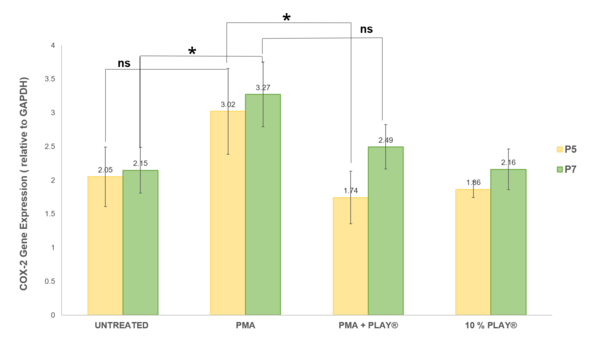
The authors seek to accelerate wound healing by reducing inflammation with a cocktail containing growth factors and bioactive modulators.
Read More...Analysis of biofertilization impacts on Pisum sativum
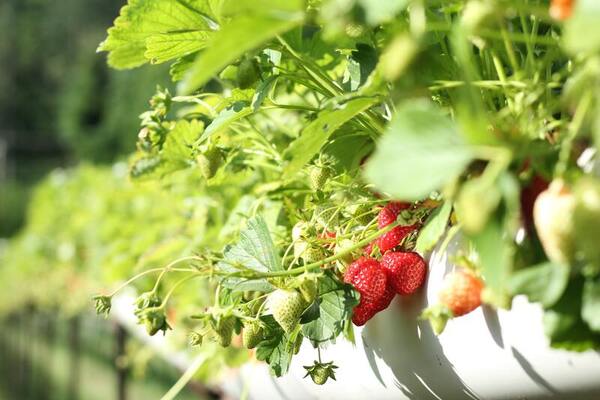
This study explored the various effects of three different produce-based biofertilizers on pea plant growth, using red apple, pear, strawberry, and control treatments. It was hypothesized that the application of fruit biomatter would increase the growth of pea plants, with the application of strawberry biomatter having the most significant effect due to strawberries containing a higher nutrient content compared to pears and apples. Analysis confirmed the hypothesis. The application of strawberry biomatter could prove to be an effective way to increase plant growth in commercial agriculture.
Read More...Evaluation of platelet-rich plasma vs. platelet lysate: VEGF and PDGF concentration, stability, and shelf life

Cell-free biologicals are a novel method of treating clinical conditions which involve chronic inflammation such as tendonitis and osteoarthritis. This study compared platelet-derived growth factor (PDGF) and vascular endothelial growth factor (VEGF) in platelet-rich plasma (PRP), activated PRP (aPRP), and platelet lysate (PL). It was hypothesized that PL would contain higher concentrations of growth factors than PRP and that different storage temperatures for PL would diminish cytokine expression. Results demonstrated PL had the highest concentrations of both cytokines, with concentrations slightly diminishing at-80C. aPRP and PRP demonstrated lower concentrations of PDGF and VEGF than PL.
Read More...The effects of UV-C and ionizing radiation on the functions of Escherichia Coli

In this study, the authors send E. coli cultures to space via the Cubes in SpaceTM program to determine if ultraviolet C and ionizing radiation negatively affect bacterial growth.
Read More...The effect of chondroitin sulfate on the development of plants grown in roadside soil
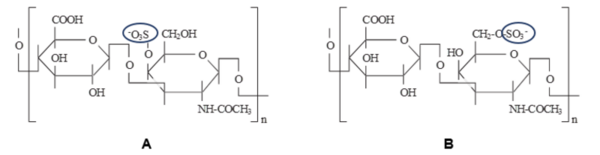
Heavy metal contamination from transportation can damage soil and vegetation by increasing oxidative stress, disrupting enzymes, and impairing photosynthesis. This study investigated whether chondroitin sulfate (CS) could reduce the harmful effects of contaminated roadside soil on plant growth by binding with metal ions.
Read More...A juxtaposition of the effects of natural and chemical fertilizers on Ocimum basilicum
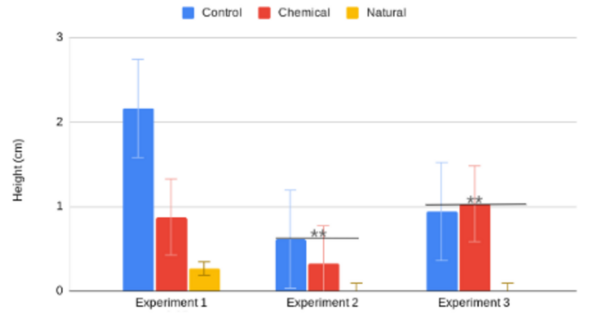
Agricultural fertilizer application is a key innovation in providing enough food to feed the world. Fertilizers come in various types and farmers must choose which fertilizer is the best for their applications. To learn more about the effectiveness of various fertilizers, Wilson and Rasmus studied the effects of natural and chemical fertilizers on growth of basil plants.
Read More...The Effects of Ultraviolet Light on Escherichia coli
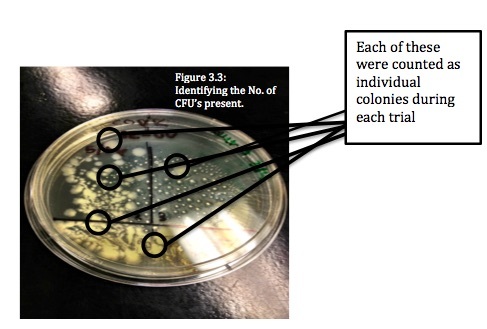
In this study E. coli bacteria was exposed to small UV lights currently used in school laboratories to see the effect on colony growth. This project explores how UV radiation methods could be applied in common households to inhibit bacterial growth.
Read More...A bibliometric analysis of the use of biomimetic silk conduits for treating peripheral nerve injuries

In this study, the authors conduct a bibliometric analysis to understand the recent growth in and current state of peripheral nerve regeneration research. They also explored potential future studies.
Read More...