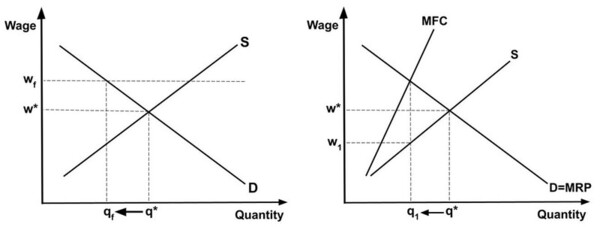
The authors looked at potential downstream effects of raising the minimum wage. Specifically they focused on taxable wages, employment, and firm counts.
Read More...Long-run effects of minimum wage on labor market dynamics
The authors looked at potential downstream effects of raising the minimum wage. Specifically they focused on taxable wages, employment, and firm counts.
Read More...Near-infrared activation of environmentally-friendly gold and silver nanoparticles for unclogging arteries
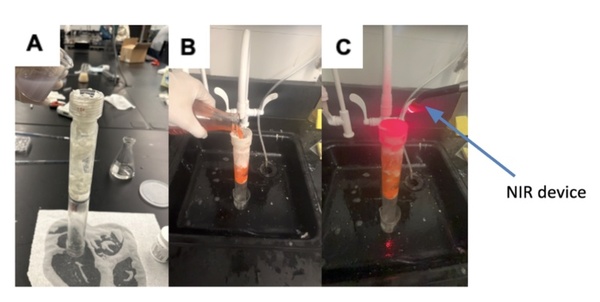
Coronary artery disease, the leading cause of death worldwide, results from cholesterol build-up in coronary arteries, limiting blood and oxygen flow to the heart. This study investigated the use of gold and silver nanoparticles coated with aspirin and activated by near-infrared light to improve blood flow in a clogged artery model. The nanoparticles increased simulated blood flow rates, demonstrating potential as a less invasive and more targeted treatment for cardiovascular disease.
Read More...Methanotrophic bioremediation for the degradation of oceanic methane and chlorinated hydrocarbons

Seeking an approach to address the increasing levels of methane and chlorinated hydrocarbons that threaten the environment, the authors worked to develop a novel, low-cost biotrickling filter for use as an ex situ method tailored to marine environments. By using methanotrophic bacteria in the filter, they observed methane degradation, suggesting the feasibility of chlorinated hydrocarbon degradation.
Read More...Sector Dynamics: Equity and fixed-income performance across market cycles
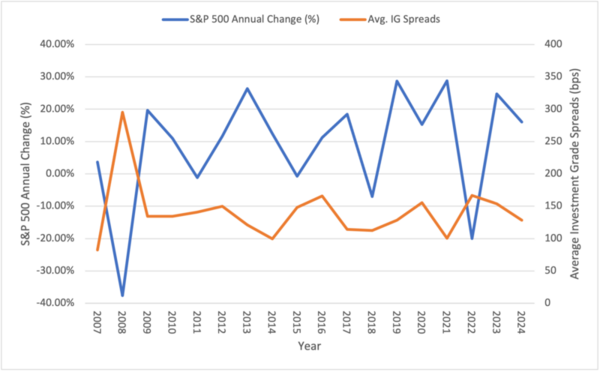
The authors examined the relationships between S&P 500 Technology and Financials equity sectors and their corresponding investment-grade fixed-income markets from 1995 to 2025.
Read More...Molecular Dynamics Simulations of Periplasmic Proteins Interacting With the Peptidoglycan Layer of Escherichia coli
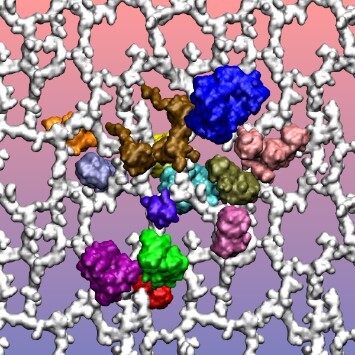
Molecular dynamics (MD) simulations are a great tool to model and study complex biological systems. In this paper, the authors use MD simulations to construct and simulate a model of the periplasmic space, the peptidoglycan layer and its associated proteins, in an Escherichia coli cell.
Read More...Investigating the impact of short-chain fatty acids on myofiber dynamics and insulin sensitivity
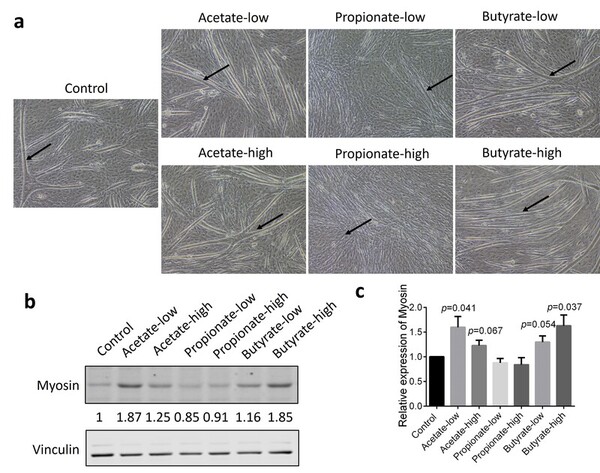
The authors looked at the impacts of short-chain fatty acids on muscle fiber formation as well as insulin sensitivity using a model of mouse myoblasts.
Read More...Legacy mercury, reservoir dynamics, and dredging effects on methylmercury in San Francisco Bay
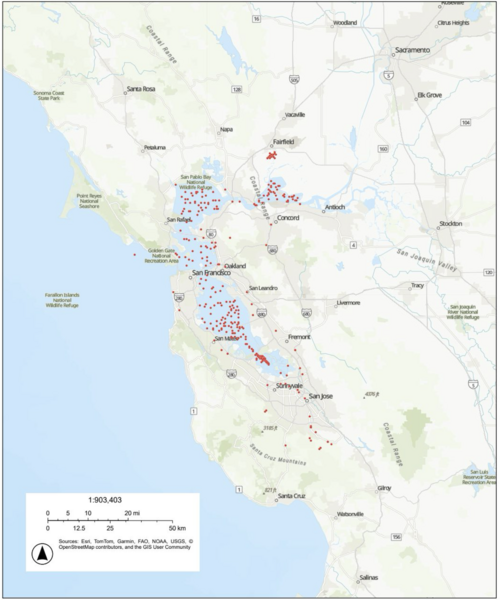
This study analyzes over two decades of monitoring data (1999-2022) to investigate how legacy mining, reservoir water releases, and dredging activities influence toxic methylmercury (MeHg) levels in San Francisco Bay. The findings reveal a significant delayed correlation between river flow and San Francisco Bay MeHg, and counter to the authors' hypothesis, a strong association between increased MeHg concentrations in the bay and both total annual dredging volume and beneficial sediment reuse / upland sediment disposal.
Read More...Analysis of professional and amateur tennis serves using computer pose detection

The authors looked at the dynamics of tennis serves from professional and amateur athletes.
Read More...Enhanced brain arteries and aneurysms analysis using a CAE-CFD approach
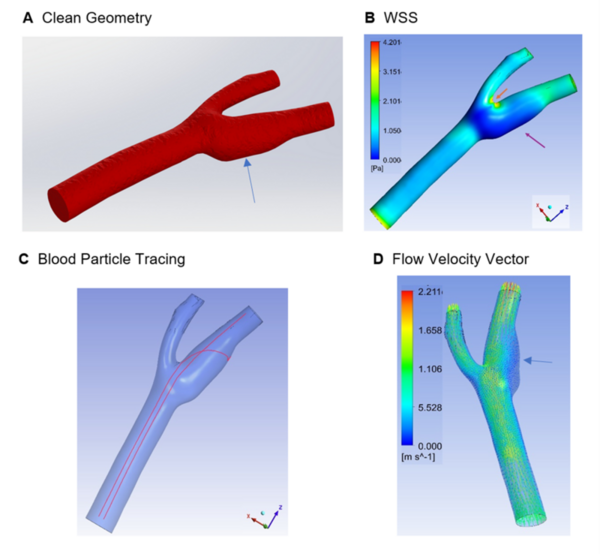
Here, recognizing that brain aneurysms pose a severe threat, often misdiagnosed and leading to high mortality, particularly in younger individuals, the authors explored a novel computer-aided engineering approach. They used magnetic resonance angiography images and computational fluid dynamics, to improve aneurysm detection and risk assessment, aiming for more personalized treatment.
Read More...Analysis of the effects of positive ions and boundary layer temperature at various hypersonic speeds on boundary layer density
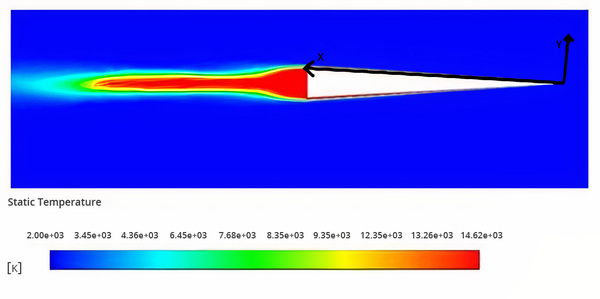
This study's goal was to identify the Mach numbers for which electrostatic drag and heat transfer manipulation would be most applicable inside the stratosphere. The experiments were conducted using computational fluid dynamics software. The study demonstrated that, on average, higher Mach speeds resulted in a considerably higher potential decrease in density. The study highlights that further research on the surface charge method is warranted to explore higher hypersonic speeds within the stratosphere.
Read More...