
In this article, the authors investigate the RNA expression differences between groups of chronic cocaine abusers and drug-free subjects.
Read More...TNF signaling pathway upregulation as a potential pharmaceutical target for cocaine-addicted individuals
In this article, the authors investigate the RNA expression differences between groups of chronic cocaine abusers and drug-free subjects.
Read More...DyGS: A Dynamic Gene Searching Algorithm for Cancer Detection
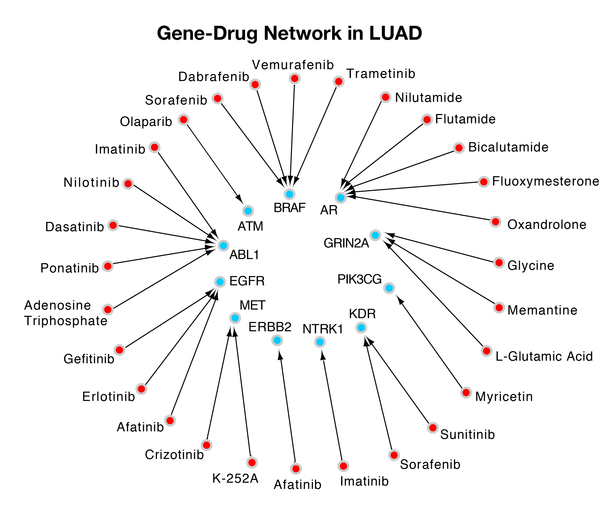
Wang and Gong developed a novel dynamic gene-searching algorithm called Dynamic Gene Search (DyGS) to create a gene panel for each of the 12 cancers with the highest annual incidence and death rate. The 12 gene panels the DyGS algorithm selected used only 3.5% of the original gene mutation pool, while covering every patient sample. About 40% of each gene panel is druggable, which indicates that the DyGS-generated gene panels can be used for early cancer detection as well as therapeutic targets in treatment methods.
Read More...Investigating the anticancer effects of Uvularia perfoliata
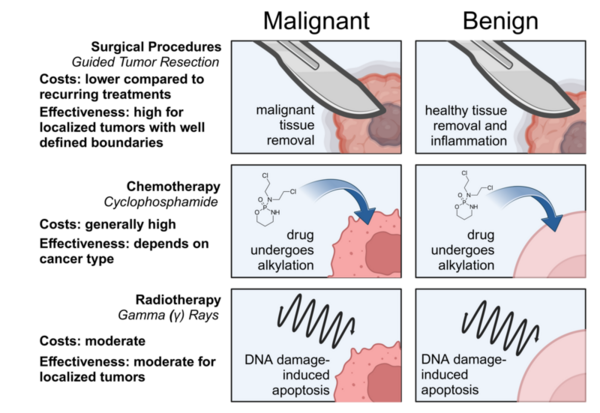
This paper investigates the potential anticancer properties of Uvularia perfoliata by testing its effects on the viability of uveal melanoma cells.
Read More...In vitro dissolution and in vivo response of pseudoephedrine dosage forms
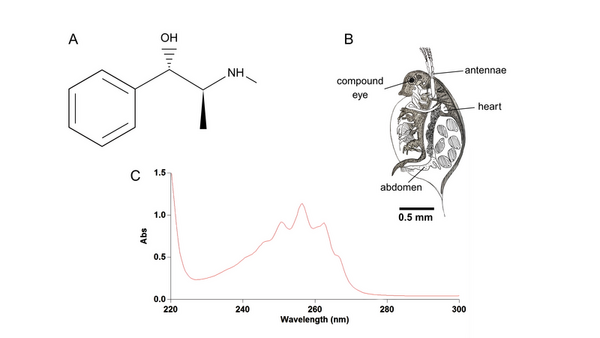
The authors looked at how pharmacokinetics changed depending on the use of an in vitro or an in vivo model.
Read More...Cytotoxicity evaluation of Amaranthus extracts compared with AS20 on MCF-7 cancer cells
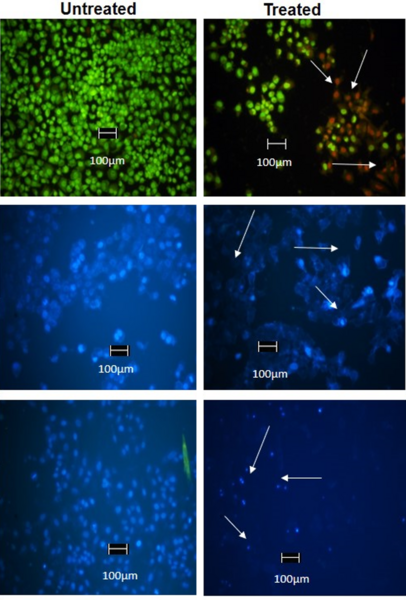
The authors test the antiproliferative and apoptosis-inducing properties of an extract created from a traditional Indian medicinal plant of the Amaranthus genus.
Read More...Combating drug resistance in cancer cells: Cooperative effect of green tea and turmeric with chemotherapeutic drug
.jpg)
The major drawback of chemotherapy regimens for treating cancer is that the cancerous cells acquire drug resistance and become impervious to further dose escalation. Keeping in mind the studied success of herbal formulations with regard to alternative treatments for cancer, we hypothesized that the use of a chemotherapeutic drug and proprietary herbal formulation, HF1, would combat this phenomenon when administered with common chemotherapeutic drug 5FU. Results demonstrated a cooperative effect between HF1 and 5FU on the drug resistant cell line, implying that administration of HF1 with 5FU results in cell death as measured by MTT assay.
Read More...pH-dependent drug interactions with acid reducing agents
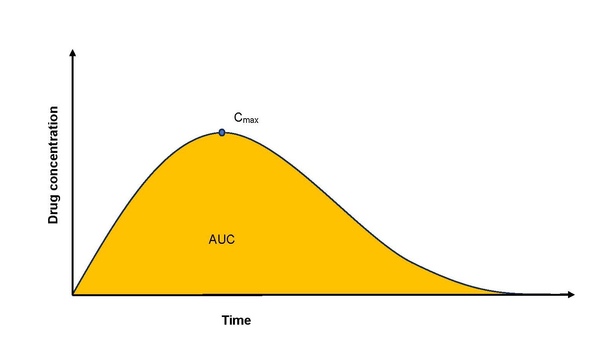
Some cancer treatments lose efficacy when combined with treatments for excessive stomach acid, due to the changes in the stomach environment caused by the stomach acid treatments. Lin and Lin investigate information on oral cancer drugs to see what information is available on interactions of these drugs.
Read More...The effect of youth marijuana use on high-risk drug use: Examining gateway and substitution hypothesis
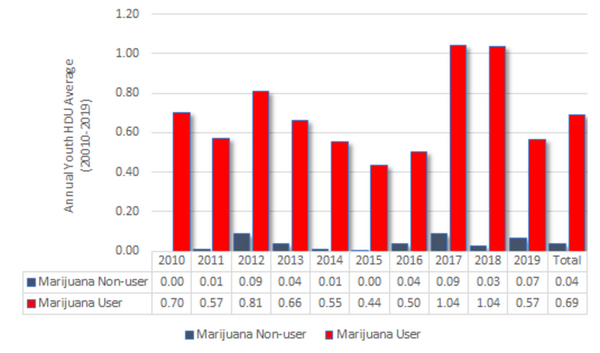
The authors looked at whether youth use of marijuana related to later high-risk drug use. Using survey data from 2010-2019 they found that youth marijuana use did correlate to an increased risk of high-risk drug use.
Read More...Evaluating the feasibility of SMILES-based autoencoders for drug discovery
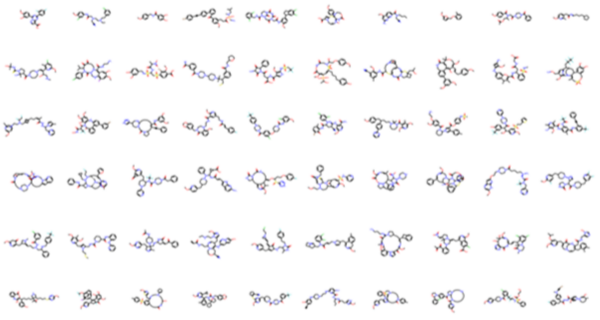
The authors investigate the ability of machine learning models to developing new drug-like molecules by learning desired chemical properties versus simply generating molecules that similar to those in the training set.
Read More...The anticancer and anti-inflammatory effects of polyherbal drug AS20 on HeLa cells resistant to 5-Fluorouracil
%20final%202-5-23.jpg)
The authors looked at 5-FU resistant HeLa cells and the ability of an herbal extract to show anti-inflammatory properties.
Read More...