Browse Articles

Hybrid Quantum-Classical Generative Adversarial Network for synthesizing chemically feasible molecules

Sikdar et al. | Jan 10, 2023

Hybrid Quantum-Classical Generative Adversarial Network for synthesizing chemically feasible molecules

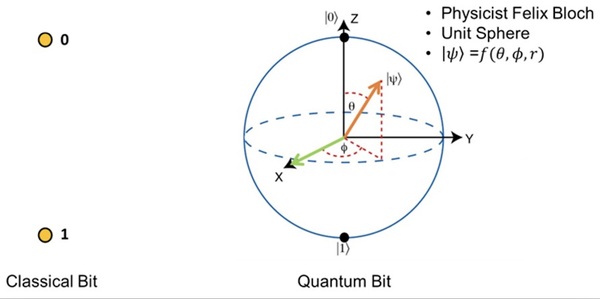
Current drug discovery processes can cost billions of dollars and usually take five to ten years. People have been researching and implementing various computational approaches to search for molecules and compounds from the chemical space, which can be on the order of 1060 molecules. One solution involves deep generative models, which are artificial intelligence models that learn from nonlinear data by modeling the probability distribution of chemical structures and creating similar data points from the trends it identifies. Aiming for faster runtime and greater robustness when analyzing high-dimensional data, we designed and implemented a Hybrid Quantum-Classical Generative Adversarial Network (QGAN) to synthesize molecules.

Read More...
An analysis of junior rower performance and how it is affected by rower's features

Biller et al. | Jan 07, 2022

An analysis of junior rower performance and how it is affected by rower's features

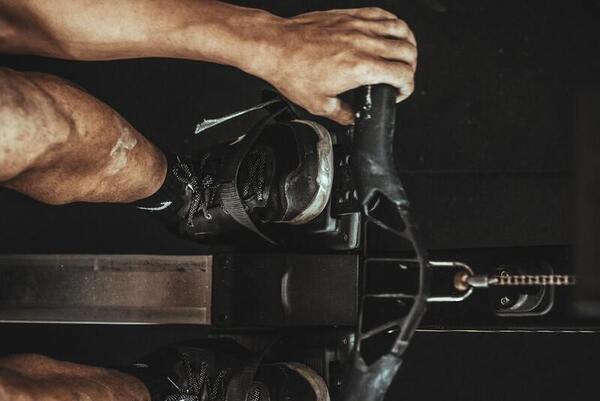
In this study, with consideration for the increasing participation of high school students in indoor rowing, the authors analyzed World Indoor Rowing Championship data. Statistical analysis revealed two key features that can determine the performance of a rower as well as increasing competitiveness in nearly all categories considered. They conclude by offering a 2000-meter ergometer time distribution that can help junior rowers assess their current performance relative to the world competition.

Read More...

Access to public parks, drinking fountains, and clean public drinking water in the Bay Area is not driven by income

Zaroff et al. | Jul 15, 2021

Access to public parks, drinking fountains, and clean public drinking water in the Bay Area is not driven by income

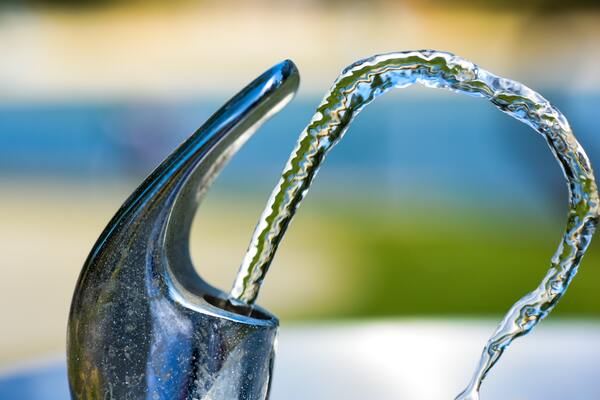
Access to green space—an area of grass, trees, or other vegetation set apart for recreational or aesthetic purposes in an urban environment—and clean drinking water can be unequally distributed in urban spaces, which are often associated with income inequality. Little is known about public drinking water and green space inequities in the Bay Area. For our study, we sought to understand how public park access, drinking fountain access, and the quality of public drinking water differ across income brackets in the Bay Area. Though we observed smaller-scale instances of inequalities, in the park distribution in the Bay Area as a whole, and in the Southern Bay’s water quality and park distribution, our results indicate that other factors could be influencing water quality, and park and fountain access in the Bay Area.

Read More...