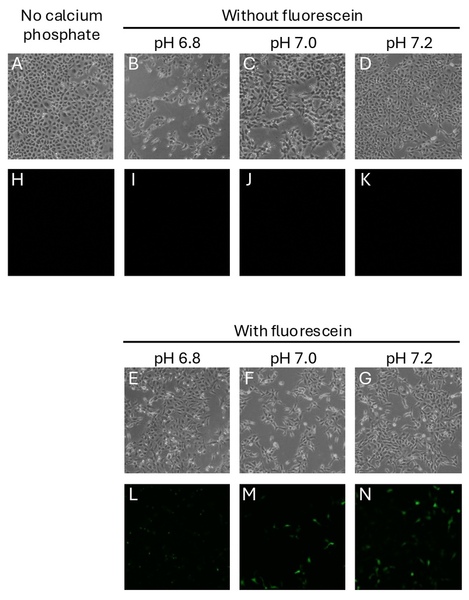
This study investigated the impact of pH on the efficiency of calcium phosphate, used as a drug delivery agent.
Read More...Higher pH level increases the efficacy of calcium phosphate-mediated intracellular delivery
This study investigated the impact of pH on the efficiency of calcium phosphate, used as a drug delivery agent.
Read More...Dispersing Agents Prevent Negative Impact of Oil on Uptake of Zinc by Duckweed (Lemna minor)
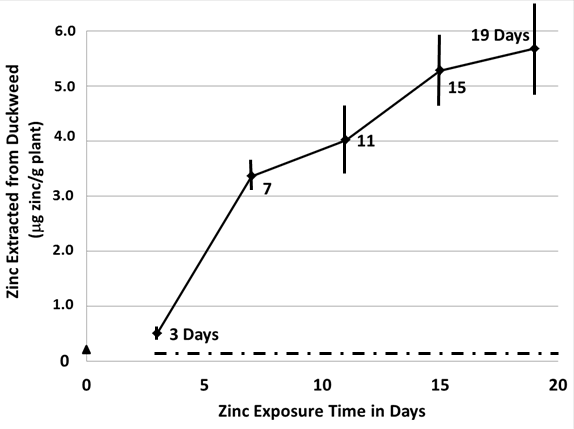
Duckweed plays an important role in its aquatic environment by removing pollutants, such as zinc, from the water. In this study, the authors demonstrate that uptake of zinc by duckweed is inhibited by the presence of oil in the water, but this effect can be reversed with the addition of a dispersing agent.
Read More...Determining the Habitable Zone Around a Star
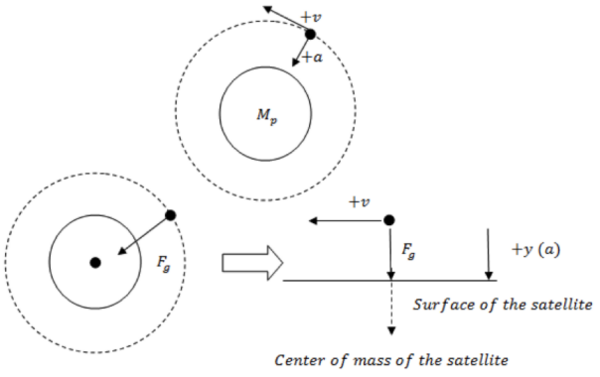
Life requires many things, including a hospitable temperature, elements, and energy. Here the authors utilize Newton's laws of physics and information relating a star's luminosity and temperature to determine the minimum and maximum masses and luminosities of planets and stars that would support life as we know it. This work can be used to determine the likelihood of a planet being able to support life based on attributes we can measure from here on Earth.
Read More...Lack of correlation between odor composition and neuron response in the olfactory cortex of mice
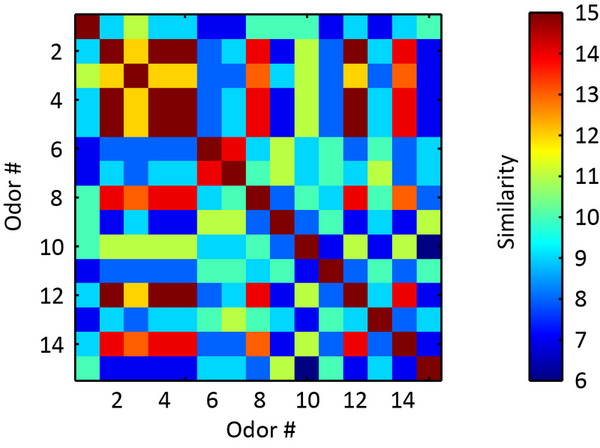
To address whether odor sensory circuits are organized topographically, the authors investigate whether the neuronal responses to similar odors amongst different mice mapped similarly in brain.
Read More...The Effects of Micro-Algae Characteristics on the Bioremediation Rate of Deepwater Horizon Crude Oil
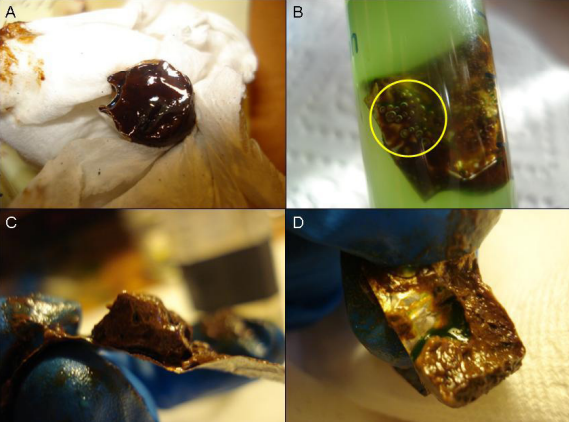
Environmental disasters such as the Deepwater Horizon oil spill can be devastating to ecosystems for long periods of time. Safer, cheaper, and more effective methods of oil clean-up are needed to clean up oil spills in the future. Here, the authors investigate the ability of natural ocean algae to process crude oil into less toxic chemicals. They identify Coccochloris elabens as a particularly promising algae for future bioremediation efforts.
Read More...Decolorization of textile dyes by edible white rot fungi

As fast fashion explodes in popularity, the fashion industry remains one of the most prominent industries responsible for pollution. This pollution includes a lack of treatment for textile dyes that remain toxic or carcinogenic as they persist in wastewater. To resolve this, the authors of this study set out to determine the efficacy of using edible white rot fungi for cell-based biodegradation of textile dyes into harmless chemicals. This method takes advantage of fungi found in excess from the fungi industry, decreasing food waste while addressing textile waste in tandem.
Read More...The Bioactive Ingredients in Niuli Lactucis Agrestibus Possess Anticancer Effects

In the field of medicine, natural treatments are becoming increasingly vital towards the cure of cancer. Zhu et al. wanted to investigate the effects of lettuce extract on cancer cell survival and proliferation. They used an adenocarcinoma cell line, COLO320DM, to determine whether crude extract from a lettuce species called Niuli Lactucis Agrestibus would affect cancer cell survival, migration, and proliferation. They found that Niuli extract inhibited cancer cell survival, increased expression of cell cycle inhibitors p21 and p27, and inhibited migration. However, Niuli extract did not have these effects on healthy cells. This work reveals important findings about a potential new source of anti-colorectal cancer compounds.
Read More...Examination of the underlying chemical physics of the Mpemba effect in water and other liquids
Counterintuitive in nature, the Mpemba effect asserts that hot liquid freezes faster than cold liquid. While noted throughout history by scientific minds like Aristotle, the phenomenon remains in contention with varying hypotheses for the effect proposed alongside the effect’s rise in popularity. Contributing to the research efforts surrounding the Mpemba effect, the authors in this article explore the effect in different liquids ranging in physical properties and intermolecular forces to determine potential parameters attributable to producing the Mpemba effect.
Read More...Defying chemical tagging: inhomogeneities in the wide binary system HIP 34407/HIP 34426

This assessed the hypothesis that stars in wide binary systems are chemically homogeneous because of their shared origin. Abundances of the HIP 34407/HIP 34426 binary were obtained by analyzing high-resolution spectra of the system. Discrepancies found in the system’s elemental abundances might be an indicator of the presence of rocky planets around this star. Thus, the differences found in chemical composition might demonstrate limitations in the assumptions of chemical tagging.
Read More...A chemical and overwintering honey bee apiary field study comparing new and expired amitraz miticide
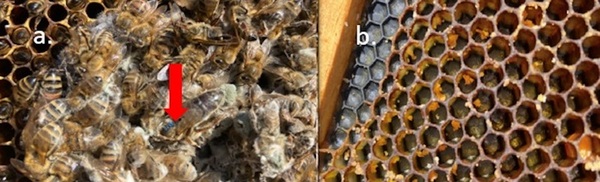
In this study, the authors test the longevity of a anti-mite compound, amitraz, in commercially-sold strips and the age-dependent efficacy of these strips in preventing honey bee colony collapse by ectoparasitic mite Varroa destructor.
Read More...