Browse Articles

Ribosome distribution affects stalling in amino-acid starved cancer cells

Deng et al. | Jan 07, 2022

Ribosome distribution affects stalling in amino-acid starved cancer cells

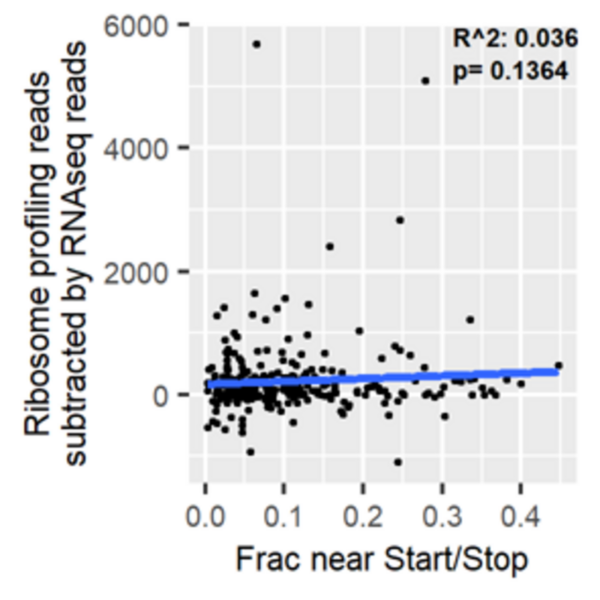
In this article, the authors analyzed ribosome profiling data from amino acid-starved pancreatic cancer cells to explore whether the pattern of ribosome distribution along transcripts under normal conditions can predict the degree of ribosome stalling under stress. The authors found that ribosomes in amino acid-deprived cells stalled more along elongation-limited transcripts. By contrast, they observed no relationship between read density near start and stop and disparities between mRNA sequencing reads and ribosome profiling reads. This research identifies an important relationship between read distribution and propensity for ribosomes to stall, although more work is needed to fully understand the patterns of ribosome distribution along transcripts in ribosome profiling data.

Read More...
Inhibiting the ERK pathway and the TRPM7 ion channel in gastric and bladder cancer cells

Yang et al. | Oct 14, 2021

Inhibiting the ERK pathway and the TRPM7 ion channel in gastric and bladder cancer cells

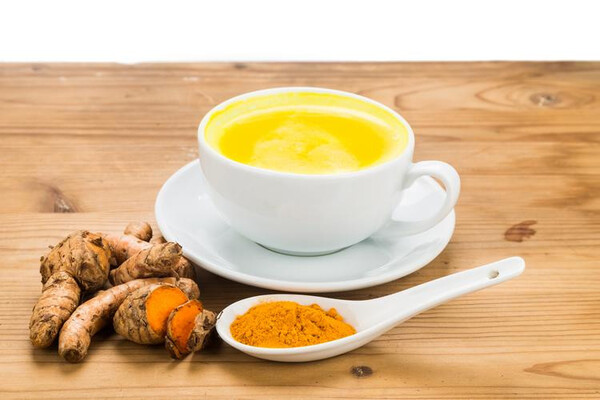
In this work the authors investigate new possible treatment methods for gastric and bladder cancers. They specifically targeted the transient receptor potential cation subfamily M member 7 (TRPM7), an ion channel that plays an important role in the survival of both of these cancers, and extracellular regulated kinases (ERKs),which contributes to the carcinogenesis of many cancers including gastric cancer. As a result, the authors consider the effects of Ginsenoside Rd, NS8593, curcumin, and icariin , known to inhibit TRPM7 and ERK. The authors found that these treatments decrease proliferation and induce apoptosis in studies of gastric and bladder cancer cells.

Read More...

Significance of Tumor Growth Modeling in the Behavior of Homogeneous Cancer Cell Populations: Are Tumor Growth Models Applicable to Both Heterogeneous and Homogeneous Populations?

Reddy et al. | Jun 10, 2021

Significance of Tumor Growth Modeling in the Behavior of Homogeneous Cancer Cell Populations: Are Tumor Growth Models Applicable to Both Heterogeneous and Homogeneous Populations?

This study follows the process of single-cloning and the growth of a homogeneous cell population in a superficial environment over the course of six weeks with the end goal of showing which of five tumor growth models commonly used to predict heterogeneous cancer cell population growth (Exponential, Logistic, Gompertz, Linear, and Bertalanffy) would also best exemplify that of homogeneous cell populations.

Read More...

A Novel Approach to Prevent and Restrict Early Stages of Cancer Cell Growth Using a Combination of Moringa and Sesame in a Drosophila Model

Ganesh et al. | Sep 28, 2020

A Novel Approach to Prevent and Restrict Early Stages of Cancer Cell Growth Using a Combination of Moringa and Sesame in a <em>Drosophila</em> Model

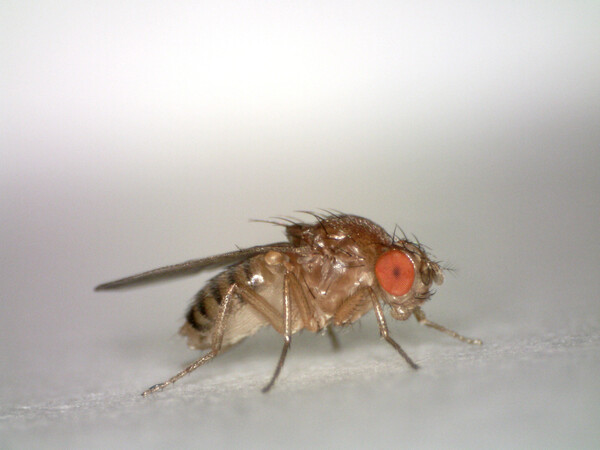
Sesame (Sesamum indicum) and moringa (Moringa oleifera) have natural antioxidants that could prevent cancer growth. Previously, this group found that sesame and moringa individually suppress eye tumor grown in the Drosophila melanogaster model. In the present study, combinations of sesame and moringa at different concentrations were included in the D. melanogaster diet. The impact on eye tumor development was assessed at different stages of growth.

Read More...

Conversion of Mesenchymal Stem Cells to Cancer-Associated Fibroblasts in a Tumor Microenvironment: An in vitro Study

Ramesh et al. | Feb 18, 2020

Conversion of Mesenchymal Stem Cells to Cancer-Associated Fibroblasts in a Tumor Microenvironment: An <em>in vitro</em> Study

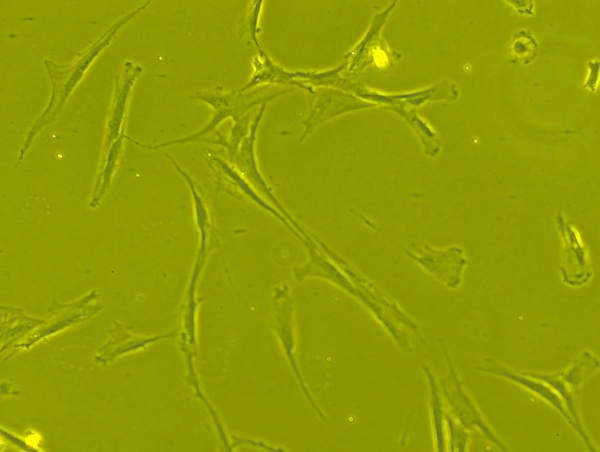
Mesenchymal stem cells(MSCs) play a role in tumor formation by differentiating into cancer associated fibroblasts (CAFs) which enable metastasis of tumors. The process of conversion of MSCs into CAFs is not clear. In this study, authors tested the hypothesis that cancers cells secrete soluble factors that induce differentiation by culturing bone marrow mesenchymal stem cells in media conditioned by a breast cancer cell line.

Read More...

Effect of the Herbal Formulation HF1 on the Expression of PD-L1 in PC3 cells

Imani et al. | Nov 15, 2019

Effect of the Herbal Formulation HF1 on the Expression of PD-L1 in PC3 cells

In this study, Imani et al. investigate whether a new proprietary herbal formulation, HF1, can inhibit expression of immune suppressor protein PD-L1. PD-L1 is a transmembrane protein that can be expressed by cancer cells to assist in their ability to avoid attacks from the immune system. Work from this study demonstrates that HF1 treatment can reduce expression of PD-L1 in cultured cancer cells, implicating HF1 as a potential new cancer therapy.

Read More...

Pichia kudriavzevii Yeast Exposure Increases the Asthmatic Behavior of Alveolar Epithelial Cells In Vitro

Ortega et al. | Jun 07, 2019

<em>Pichia kudriavzevii</em> Yeast Exposure Increases the Asthmatic Behavior of Alveolar Epithelial Cells <em>In Vitro</em>

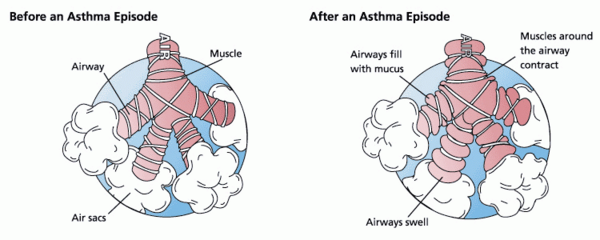
Asthma affects over 334 million people worldwide and is triggered by inhalation of environmental stimuli. The authors of this study characterized the effect of exposure to common spoilage yeast, Pichia kidriavzevii on alveolar epithelial cells. A direct correlation between infection duration and asthmatic status of these cells was found, indicating the potential for this yeast to be an environmental stimulus of asthma and warranting further study.

Read More...

Efficacy of Rotten and Fresh Fruit Extracts as the Photosensitive Dye for Dye-Sensitized Solar Cells

Jayasankar et al. | Jan 16, 2019

Efficacy of Rotten and Fresh Fruit Extracts as the Photosensitive Dye for Dye-Sensitized Solar Cells

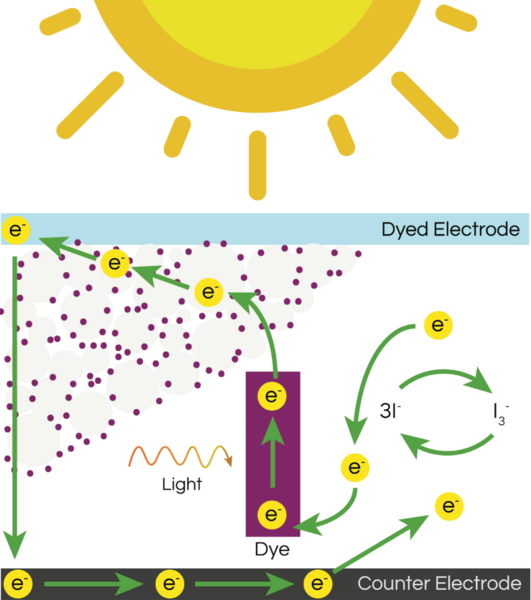
Dye-sensitized solar cells (DSSC) use dye as the photoactive material, which capture the incoming photon of light and use the energy to excite electrons. Research in DSSCs has centered around improving the efficacy of photosensitive dyes. A fruit's color is defined by a unique set of molecules, known as a pigment profile, which changes as a fruit progresses from ripe to rotten. This project investigates the use of fresh and rotten fruit extracts as the photoactive dye in a DSSC.

Read More...