Browse Articles

The Inhibitory Effect of Probiotics on the Growth and Biofilm Formation of Salmonella Sp.

Lee et al. | Jan 26, 2019

The Inhibitory Effect of Probiotics on the Growth and Biofilm Formation of Salmonella Sp.

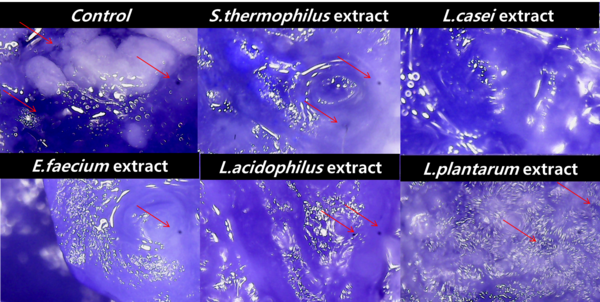
Salmonella is a genus of bacteria responsible for over 90 million cases of intestinal illnesses yearly. Like many bacteria, Salmonella can create a biofilm matrix, which confers stronger resistance against antibiotics. However, there has been relatively little research on the inhibition of Salmonella biofilm formation, which is a crucial factor in its widespread growth. In this study, Lee and Kim quantitatively measure the effectiveness of several common probiotics in inhibiting Salmonella bacterial growth. They found concentration-dependent antibacterial effects varied among the probiotics tested, indicating the possibility of probiotic species-specific mechanisms of Salmonella growth inhibition.

Read More...

The Development of a Highly Sensitive Home Diagnosis Kit for Group A Streptococcus Bacteria (GAS)

Mai et al. | Dec 05, 2018

The Development of a Highly Sensitive Home Diagnosis Kit for Group A Streptococcus Bacteria (GAS)

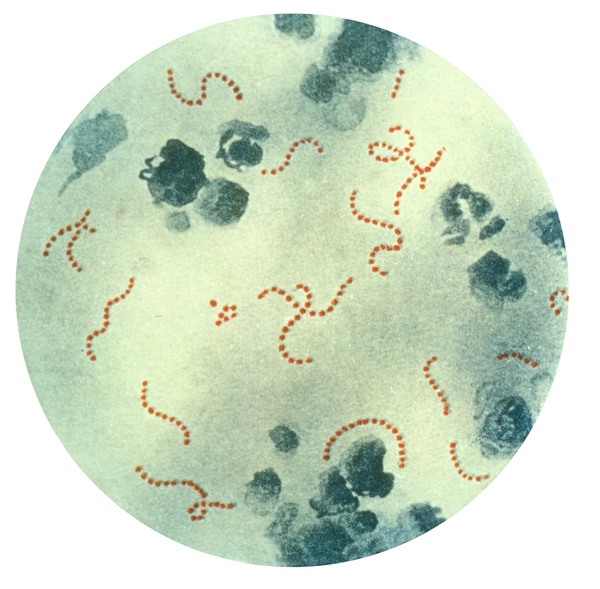
In this article, Mai et al. have developed a do-it-yourself kit for the detection of Strep A bacterial infections. While Strep A infections require antibiotic administration, viral infections, which can present with similar symptoms, often resolve on their own. The problem with delayed antibiotic treatment is an increasing risk of complications. Currently an accurate diagnosis requires that patients make the trip to the hospital where sensitive tests can be performed. The method described here, bundled into a commercially available kit, could help speed up the identification of such bacterial infections. When presented with symptoms of a sore throat and fever, you could just buy the kit at your local pharmacy, perform the simple yet highly accurate and sensitive test, and know whether an urgent trip to the doctor's for an antibiotic prescription is necessary. How convenient!

Read More...

The presence of Wolbachia in Brood X cicadas

Hasan et al. | Oct 15, 2022

The presence of <em>Wolbachia</em> in Brood X cicadas

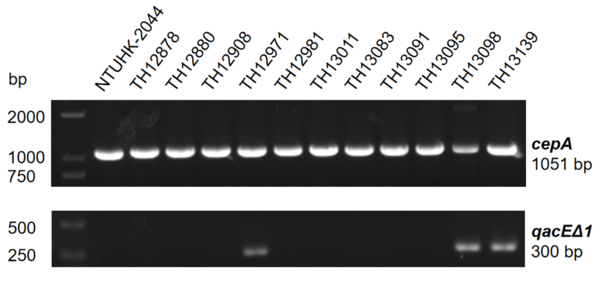
Here, seeking to understand a possible cause of the declining popluations of Brood X cicadas in Ohio and Indiana, the authors investigated the presence of Wolbachia, an inherited bacterial symbiont that lives in the reproductive cells of approximately 60% of insect species in these cicadas. Following their screening of one-hundred 17-year periodical cicadas, they only identified the presence of Wolbachia infection in less than 2%, suggesting that while Wolbachia can infect cicadas it appears uncommon in the Brood X cicadas they surveyed.

Read More...

Effect of Gram-positive bacteria on antibiotic resistance in Gram-negative bacteria

Willem et al. | Mar 12, 2024

Effect of Gram-positive bacteria on antibiotic resistance in Gram-negative bacteria

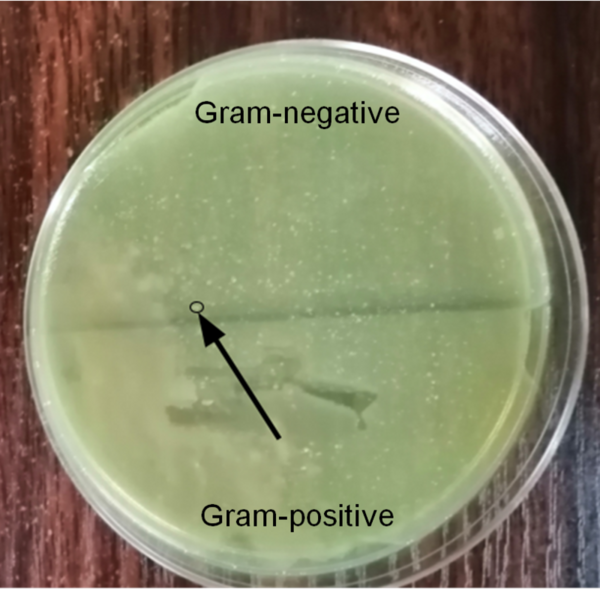
Antibiotics are one of the most common treatments for bacterial infections, but the emergence of antibiotic resistance is a major threat to the control of infectious diseases. Many factors contribute to the development of antibiotic resistance. One is bacterial conjugation from Gram-positive to Gram-negative bacteria where there is a transfer of resistance genes from Gram-positive to Gram-negative bacteria that could increase antibiotic resistance in the latter. In light of these observations, we decided to test whether Gram-negative bacteria that came into contact with Gram-positive bacteria had a higher resistance to the antimicrobial properties of spices than Gram-negative bacteria that did not come into contact with Gram-positive bacteria.

Read More...

Antibacterial Effects of Copper Surfaces

Mulukutla et al. | May 19, 2020

Antibacterial Effects of Copper Surfaces

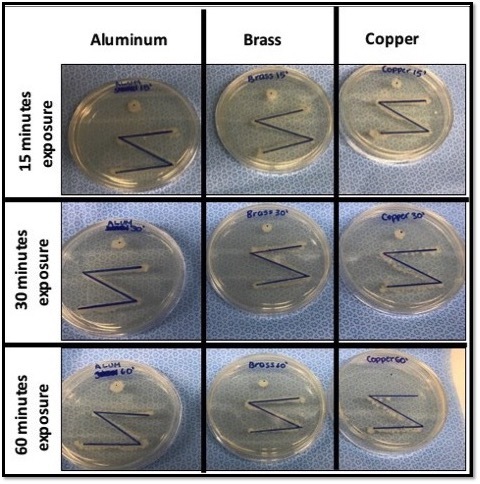
This study examined the ability of copper and copper alloy surfaces to inhibit bacterial growth, which may be help prevent healthcare-associated infections. The authors exposed two non-pathogenic strains of bacteria to different metal plates for varying degrees of time and measured bacterial growth.

Read More...

Failure of colony growth in probiotic Lactobacillus casei Shirota as result of preservative sorbic acid

Raymond et al. | May 07, 2023

Failure of colony growth in probiotic <i>Lactobacillus casei</i> Shirota as result of preservative sorbic acid

This study tested the proficiency of different concentrations of the antimicrobial sorbic acid to inhibit the probiotic Lactobacillus casei Shirota. It was hypothesized that sorbic acid’s use as a bacterial deterrent would also target this bacterial strain of Lactobacillus. The results supported the hypothesis, with the colony count of L. casei Shirota having significant decreases at all concentrations of sorbic acid. These results additionally suggest that even under the FDA sorbic acid restrictions of 0.03% concentration, damaging effects could be seen in L. casei Shirota.

Read More...