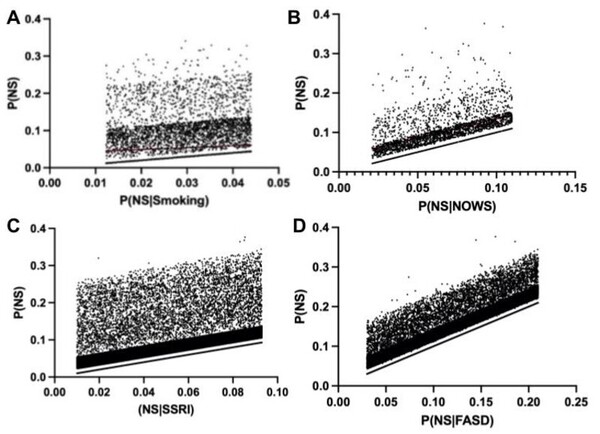
The authors used Monte Carlo simulations to assess the impacts of various factors on neonatal seizure risk.
Read More...An assessment of controllable etiological factors involved in neonatal seizure using a Monte Carlo model
The authors used Monte Carlo simulations to assess the impacts of various factors on neonatal seizure risk.
Read More...Assessing the possibility of using entomopathogenic fungi for mosquito control in Hawaii
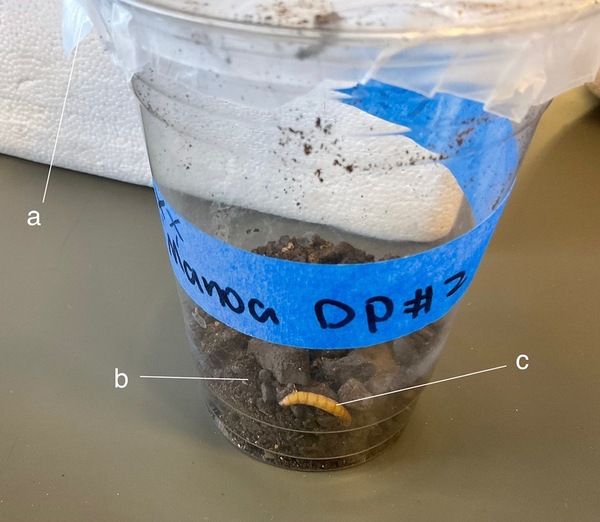
Fungi that attack and kill insects have promise for targeting mosquitoes without the harmful environmental impacts of chemicals like DDT. To find out whether fungi might be effective in controlling mosquitoes in Hawaii, Jiang and Chan test the effects of Hawaiian fungal isolates on mosquito larvae.
Read More...Increased survival of aquatic life through algal pretreatment of nitrate-contaminated runoff
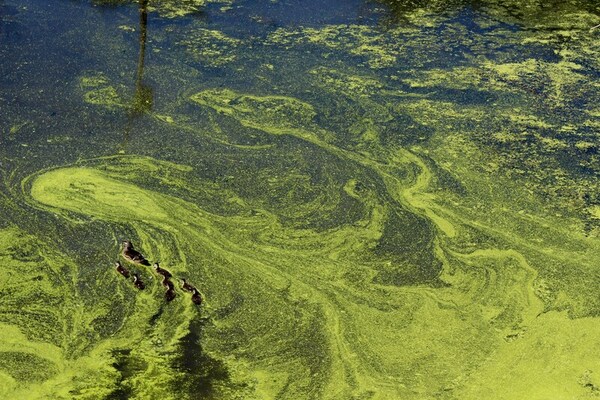
Here the authors investigated the effectiveness of algal pretreatment in reducing nitrate toxicity and extending the survival of fish in contaminated river water. Their findings demonstrate that treating nitrate-polluted water with algae extended fish survival by up to 50%, suggesting that algae could serve as a valuable tool for mitigating the destructive impacts of agricultural and industrial runoff on aquatic ecosystems.
Read More...Who controls U.S. politics? An analysis of major political endorsements in U.S. midterm elections
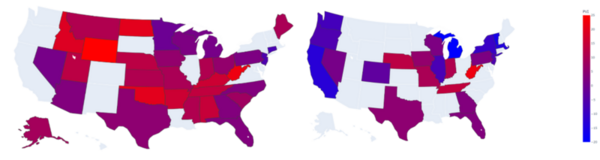
The authors analyze political endorsement patterns and impacts from the 2018 and 2020 midterm elections and find that such endorsements may be predictable based on the ideological and demographic factors of the endorser.
Read More...Examining the relationship between early adversity and mental health outcomes

Content warning: This article extensively discusses the causes and impacts of adverse childhood experiences, trauma, abuse, neglect, depression, and mental health disorders. Violence, self-harm, substance use, and incarceration are also mentioned.
Read More...Use of drone with sodium hydroxide carriers to absorb carbon dioxide from ambient air
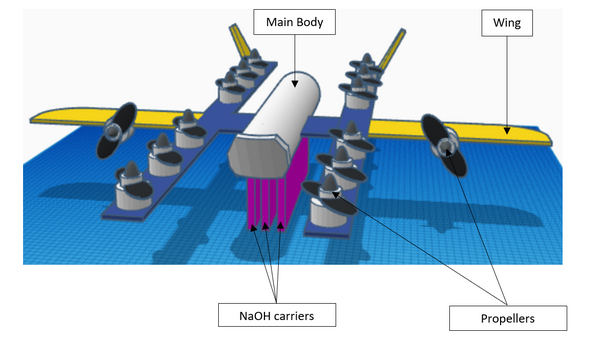
In this study, the authors address the current climate concern of high CO2 levels by testing solid forms of hydroxide for CO2 reduction and designing a drone to fly it in ambient air!
Read More...Determining the Contribution of Osmotic Stress to the Antibacterial Properties of Honey
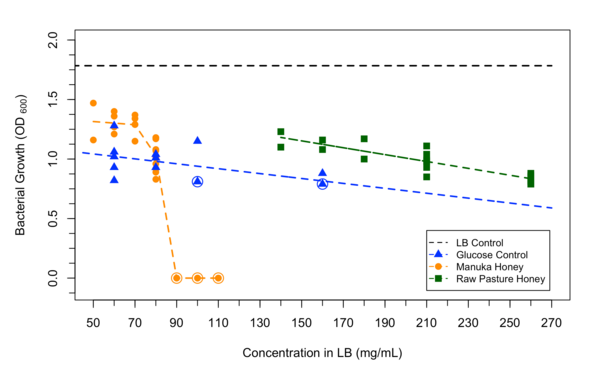
Honey possesses distinctive antimicrobial properties; however, it is unknown which compounds in honey are responsible for these properties. In this research study, Abdel-Azim et al. examine the role of osmotic stress in honey and the antibacterial efficacy of both Manuka and raw pasture honey.
Read More...AeroPurify: Autonomous air filtration UAV using real-time 3-D Monte Carlo gradient search

Here the authors present an autonomous drone air filtration system that uses a novel algorithm, the gradient ascent ML particle filter (GA/MLPF), to efficiently locate and mitigate outdoor air pollution. They demonstrate that their GA/MLPF algorithm is significantly more efficient than the conventional gradient ascent algorithm, reducing both the time and number of waypoints needed to find the source of pollution.
Read More...Mask wearing and oxyhemoglobin saturation effects during exercise

Wearing face masks has become a common occurrence in everyday life and during athletics due to the spread of diseases. This study tested if masks would affect blood percent saturation of hemoglobin (SpO2) during treadmill exercise. The data analysis showed that mask type, time, and the interaction of mask type and time were significant results, regardless of physical ability. These results may assist athletes in understanding the differences between training and competing with and without a mask.
Read More...Exploring Unconventional Growing Methods to Promote Healthy Growth in Common Household Plants: Tagetes patula L. and Lepidium sativum

This study focused on finding more sustainable growing methods that reduce chemical fertilizer or water usage and can be used at the household level for garden plants. Metrics for healthy plant growth were height at first bloom, growing time, and survival rate. The Deep Water Culture (DWC) treatment for garden cress plants significantly increased the height at first bloom compared to the control group. For rates of surviving plants, the treatments had little effect on garden cress, but the Eggshell Grounds, Wick System, and DWC system groups outperformed the control group for marigolds.
Read More...