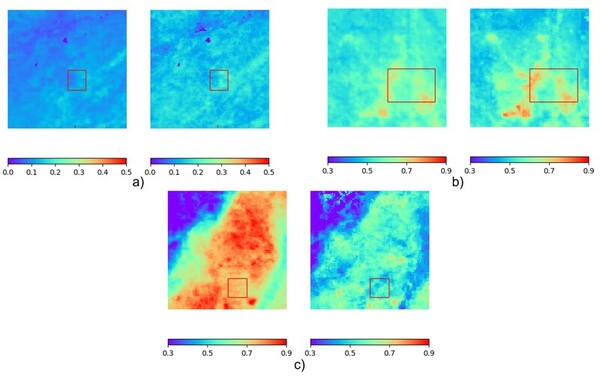
In this study, the authors use aerosol optical depth data to determine if aerosol levels were lower in major metropolitan areas around the world during the COVID-19 pandemic.
Read More...Analyzing aerosol variation during the COVID-19 pandemic lockdown using satellite data
In this study, the authors use aerosol optical depth data to determine if aerosol levels were lower in major metropolitan areas around the world during the COVID-19 pandemic.
Read More...Using economic indicators to create an empirical model of inflation

Here, seeking to understand the correlation of 50 of the most important economic indicators with inflation, the authors used a rolling linear regression to identify indicators with the most significant correlation with the Month over Month Consumer Price Index Seasonally Adjusted (CPI). Ultimately the concluded that the average gasoline price, U.S. import price index, and 5-year market expected inflation had the most significant correlation with the CPI.
Read More...Effects of Photoperiod Alterations on Stress Response in Daphnia magna
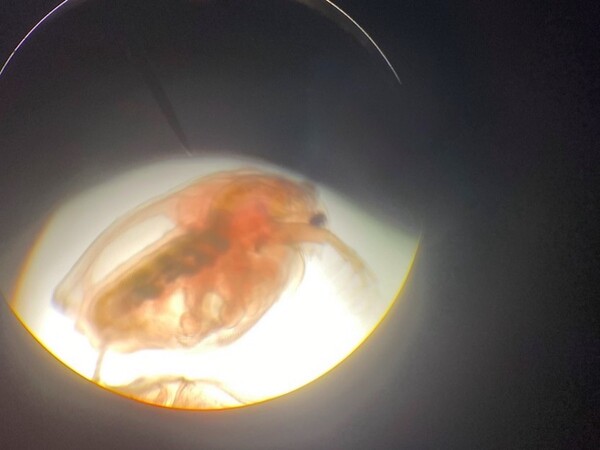
Here, seeking to better understand the effects of altered day-night cycles, the authors considered the effects of an altered photoperiod on Daphnia magna. By tracking possible stress responses, including mean heart rate, brood size, and male-to-female ratio they found that a shorter photoperiod resulted in altered mean heart rates and brood size. The authors suggest that based on these observations, it is important to consider the effects of photoperiod alterations and the stress responses of other organisms.
Read More...Prediction of molecular energy using Coulomb matrix and Graph Neural Network
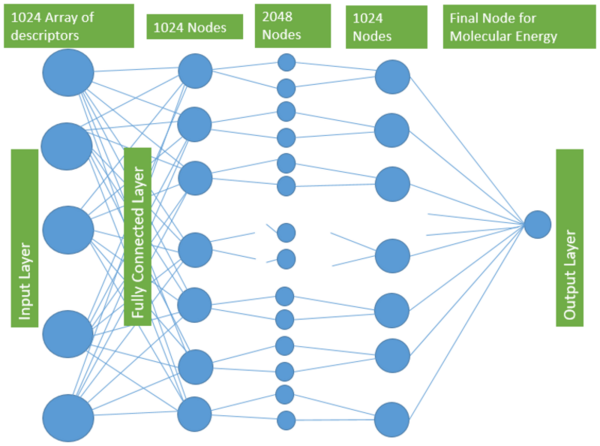
With molecular energy being an integral element to the study of molecules and molecular interactions, computational methods to determine molecular energy are used for the preservation of time and resources. However, these computational methods have high demand for computer resources, limiting their widespread feasibility. The authors of this study employed machine learning to address this disadvantage, utilizing neural networks trained on different representations of molecules to predict molecular properties without the requirement of computationally-intensive processing. In their findings, the authors determined the Feedforward Neural Network, trained by two separate models, as capable of predicting molecular energy with limited prediction error.
Read More...Novel biaryl imines and amines as potential competitive inhibitors of dihydropteroate synthase
.jpeg)
In this study, the authors design a series of new biaryl small molecules to target and block the binding pocket of the enzyme dihydropteroate synthase, which is important for prokaryotic biosynthesis of folic acid and could serve as better antimicrobial compounds.
Read More...Hammett linear free-energy relationships in the biocatalytic hydrolysis of para-substituted nitrophenyl benzoate esters
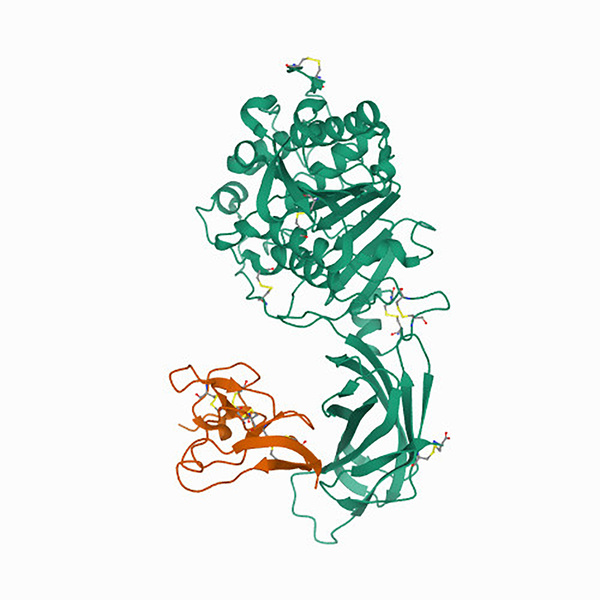
As the world moves towards more eco-friendly methods for chemical synthesis, there's a strong interest in employing enzymes in chemical synthetic processes. Here, the authors explore how the activity of enzymes such as trypsin, lipase and nattokinase is affected by the electronic effects of the substrate they are acting on.
Read More...Effect of mass and center of gravity on vehicle speed and braking performance
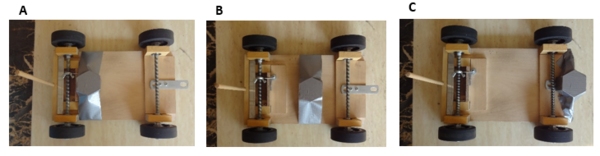
In this study, the authors test whether a gravity vehicle, which is a vehicle powered by its own gravity on a ramp, could be designed to move faster when mathematical calculations for optimal mass and center of gravity were applied in the design.
Read More...Low environmental pH inhibits phagosome formation and motility of Tetrahymena pyriformis
.jpg)
In this study, the authors look into some of the implications of rising carbon dioxide levels by studying the effects of acidic pH on the ability of T. pyriformis to feed by quantifying phagosome formation and motility.
Read More...Integrated Ocean Cleanup System for Sustainable and Healthy Aquatic Ecosystems
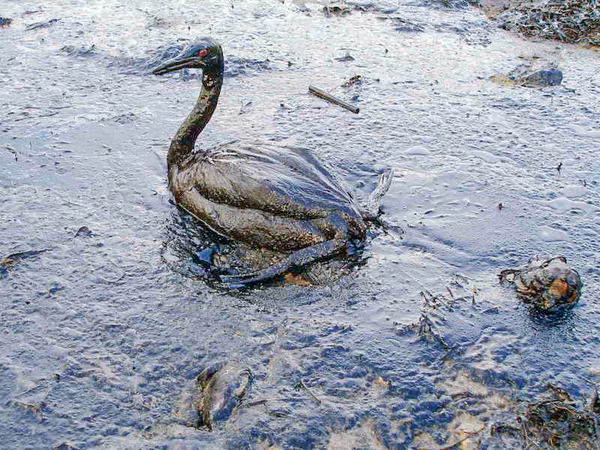
Oil spills are one of the most devastating events for marine life. Finding ways to clean up oil spills without the need for harsh chemicals could help decrease the negative impact of such spills. Here the authors demonstrate that using a combination of several biodegradable substances can effectively adsorb oil in seawater in a laboratory setting. They suggest further exploring the potential of such a combination as a possible alternative to commonly-used non-biodegradable substances in oil spill management.
Read More...Combating drug resistance in cancer cells: Cooperative effect of green tea and turmeric with chemotherapeutic drug
.jpg)
The major drawback of chemotherapy regimens for treating cancer is that the cancerous cells acquire drug resistance and become impervious to further dose escalation. Keeping in mind the studied success of herbal formulations with regard to alternative treatments for cancer, we hypothesized that the use of a chemotherapeutic drug and proprietary herbal formulation, HF1, would combat this phenomenon when administered with common chemotherapeutic drug 5FU. Results demonstrated a cooperative effect between HF1 and 5FU on the drug resistant cell line, implying that administration of HF1 with 5FU results in cell death as measured by MTT assay.
Read More...