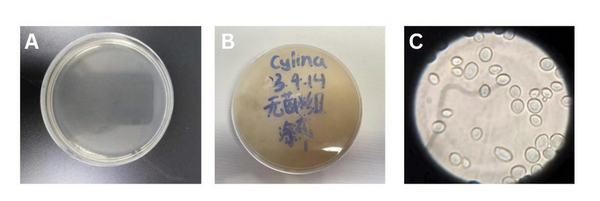
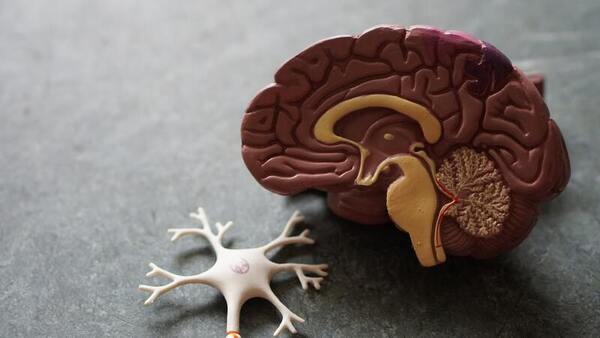
Crohn’s disease is a chronic inflammatory bowel condition with symptoms like abdominal pain, fatigue, diarrhea, and malnutrition. Though there's no cure, various treatments help manage it. This study explored the potential impact of Massa Medicata Fermentata (MMF), a fermented Chinese herbal medicine containing Saccharomyces cerevisiae, on Crohn’s disease.
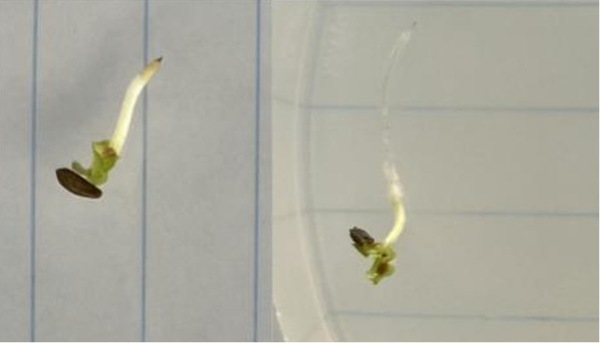
Microplastic pollution is a pressing environmental issue, particularly in the context of its potential impacts on ecosystems and human health. In this study, we explored the ability of plants, specifically those cultivated for human consumption, to absorb microplastics from their growing medium. We found no evidence of microplastic absorption in both intact and mechanically damaged roots. This outcome suggests that microplastics larger than 10 μm may not be readily absorbed by the root systems of leafy crops such as lettuce (L. sativa).
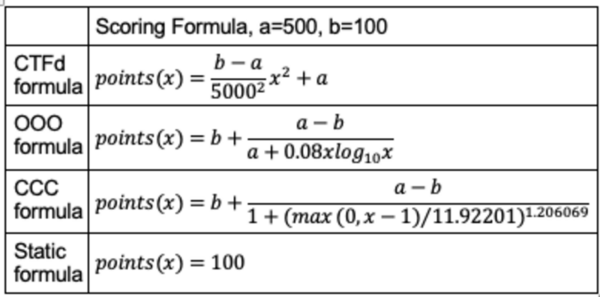
The use of gamification in cybersecurity education, particularly through capture-the-flag competitions, involves scoring challenges based on their difficulty and the number of teams that solve them. The study investigated how changing the scoring formulas affects competition outcomes, predicting that different formulas would alter score distributions.
Here, the authors investigated the most efficient way to position magnets to hold the most pieces of paper on the surface of a refrigerator. They used a regression model along with an artificial neural network to identify the most efficient positions of four magnets to be at the vertices of a rectangle.
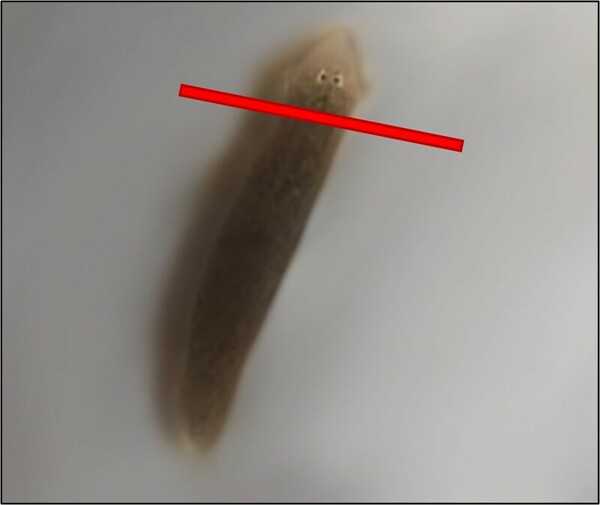
The consumption of sugar substitute non-nutritive sweeteners (NNS) has dramatically increased in recent years. Despite being advertised as a healthy alternative, NNS have been linked to adverse effects on the body, such as neurodegenerative diseases (NDs). In NDs, neural stem cell function is impaired, which inhibits neuron regeneration. The purpose of this study was to determine if the NNS acesulfame potassium (Ace-K) and neotame affect planaria neuron regeneration rates. Since human neurons may regenerate, planaria, organisms with extensive regenerative capabilities due to stem cells called neoblasts, were used as the model organism. The heads of planaria exposed to either a control or non-toxic concentrations of NNS were amputated. The posterior regions of the planaria were observed every 24 hours to see the following regeneration stages: (1) wound healing, (2) blastema development, (3) growth, and (4) differentiation. The authors hypothesized that exposure to the NNS would slow planaria regeneration rates. The time it took for the planaria in the Ace-K group and the neotame group to reach the second, third, and fourth regeneration stage was significantly greater than that of the control. The results of this study indicated that exposure to the NNS significantly slowed regeneration rates in planaria. This suggests that the NNS may adversely impact neoblast proliferation rates in planaria, implying that it could impair neural stem cell proliferation in humans, which plays a role in NDs. This study may provide insight into the connection between NNS, human neuron regeneration, and NDs.
Here, recognizing that alcohol manufacturers may target ethnic minorities and youths with specific forms of advertisements based on previous studies, the authors considered how alcohol storefronts differ depending on the community they are located in. Specifically, they looked at differences between Metro-Dtroit suburban communities of high- and low-incomes. They found that alcohol stores in the low-income areas had more and larger alcohol and malt liquor advertisements per store along with being within 1,000 feet of a school.
Here seeking to identify a method to remove harmful microplastics from water, the authors investigated the viability of using electrolysis to degrade microplastics in tap water. Compared to control samples, they found electrolysis treatment to significantly the number of net microplastics, suggesting that this treatment could potentially implemented into homes or drinking water treatment facilities.
Agenesis of the Corpus Callosum (ACC) is a birth defect where an infant’s corpus callosum, the structure linking the brain’s two hemispheres to allow interhemispheric communication, fails to develop in a typical manner during pregnancy. Existing research on the connection between ACC and epilepsy leaves significant gaps, due to the lack of focused investigation. One important gap is the degree to which ACC may impact the course of epilepsy treatment and outcomes. The present study was conducted to test the hypotheses that epilepsy is highly prevalent among individuals with ACC, and that those with both ACC and epilepsy have a lower response rate to anticonvulsant drugs than other patients treated with anticonvulsant drugs. A weighted average of epilepsy rates was calculated from a review of existing literature, which supported the hypothesis that epilepsy was more common among individuals with ACC (25.11%) than in the general population (1.2%). An empirical survey administered to 57 subjects or parents of subjects showed that rate of intractable epilepsy among study subjects with both ACC and epilepsy was substantially higher than the rate found in the general population, indicating that individuals with both conditions had a lower response rate to the anticonvulsant drugs. This study contributes novel results regarding the potential for concurrence of ACC and epilepsy to interfere with anticonvulsant drug treatment. We also discuss implications for how medical professionals may use the findings of this study to add depth to their treatment decisions.
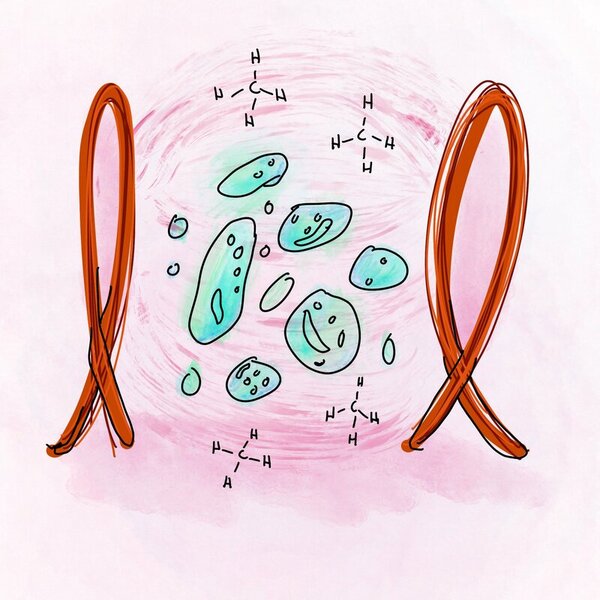
Scientist are investigating the use of methane-consuming bacteria to aid the growing problem of rising greenhouse gas emissions. While previous studies claim that low-frequency electromagnetic fields can accelerate the growth rate of these bacteria, Chu et al. demonstrate that this fundamental ideology is not on the same wavelength with their data.
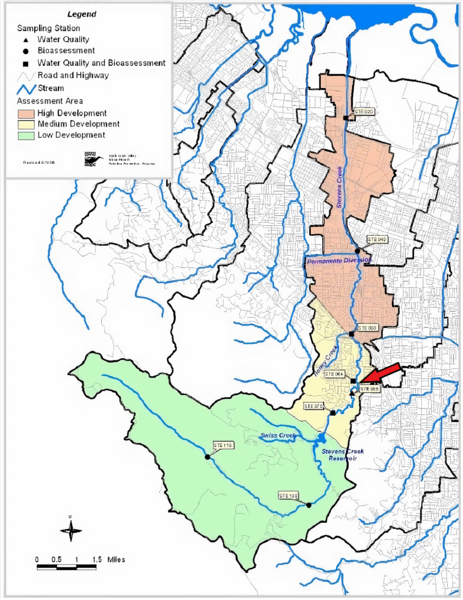
Stevens Creek, which flows through Santa Clara County in California, provides a crucial habitat for federally designated threatened steelhead trout, with a portion of the trout’s diet being dependent on the presence and abundance of macroinvertebrates that inhabit the creek. In this article, the authors investigate how the water chemistry within the creek was associated with the abundance and diversity of macroinvertebrates, and subsequently the creek’s health. They conduct qualitative analysis of macroinvertebrates and water quality to obtain a general understanding of the health of Stevens Creek.