Browse Articles

How has California’s Shelter-in-Place Order due to COVID-19 and the Resulting Reduction in Human Activity Affected Air and Water Quality?

Everitt et al. | Feb 15, 2021

How has California’s Shelter-in-Place Order due to COVID-19 and the Resulting Reduction in Human Activity Affected Air and Water Quality?

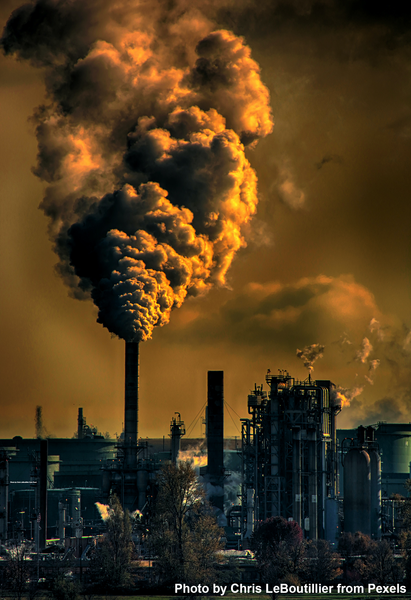
As the world struggled to grapple with the emerging COVID-19 pandemic in 2020, many countries instated policies to help minimize the spread of the virus among residents. This inadvertently led to a decrease in travel, and in some cases, industrial output, two major sources of pollutants in today's world. Here, the authors investigate whether California's shelter-in-place policy was associated with a measurable decrease in water and air pollution in that state between June and July of 2020, compared to the preceeding five years. Their findings suggest that, by some metrics, air quality improved within certain areas while water quality was relatively unchanged. Overall, these findings suggest that changing human behavior can, indeed, help reduce the level of air pollutants that compromise air quality.

Read More...

Characterization of Drought Tolerance in Arabidopsis Mutant fry1-6

Kim et al. | Jan 07, 2019

Characterization of Drought Tolerance in Arabidopsis Mutant  fry1-6

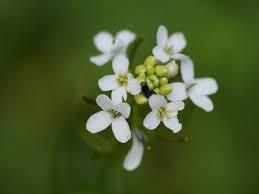
In a world where water shortage is becoming an increasing concern, and where population increase seems inevitable, food shortage is an overwhelming concern for many. In this paper, the authors aim to characterize a drought-resistant strain of A. thaliana, investigating the cause for its water resistance. These and similar studies help us learn how plants could be engineered to improve their ability to flourish in a changing climate.

Read More...

The Role of Race in the Stereotyping of a Speaker’s Accent as Native or Non-native

Bhuvanagiri et al. | Jan 07, 2019

The Role of Race in the Stereotyping of a Speaker’s Accent as Native or Non-native

In the modern world, communication and mobility are no longer obstacles. A natural consequence is that people from all over the world are mixing like never before and national identity can no longer be determined simply by a person's appearance or manner of speech. In this article, the authors study how a person's accent interferes with the perception of a their national identity and proposes ways to eliminate such biases.

Read More...

The Effects of Post-Consumer Waste Polystyrene on the Rate of Mealworm Consumption

Green et al. | Nov 29, 2018

The Effects of Post-Consumer Waste Polystyrene on the Rate of Mealworm Consumption

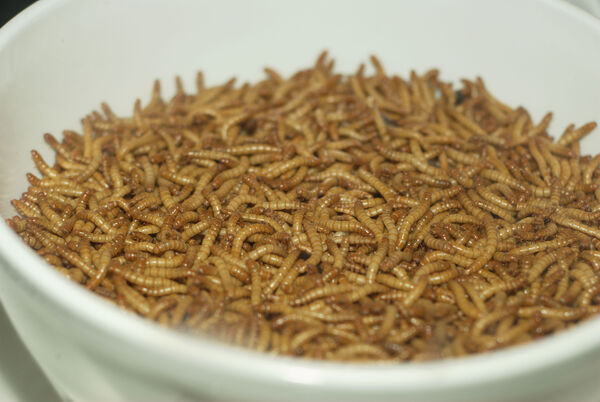
In a world where plastic waste accumulation is threatening both land and sea life, Green et al. investigate the ability of mealworms to breakdown polystyrene, a non-recyclable form of petrochemical-based polymer we use in our daily lives. They confirm that these organisms, can degrade various forms of polystyrene, even after it has been put to use in our daily lives. Although the efficiency of the degradation process still requires improvement, the good news is, the worms are tiny and themselves are biodegradable, so we can use plenty of them without worrying about space and how to get rid of them. This is very promising and certainly good news for the planet.

Read More...

Effect of heme vs. non-heme iron supplements on gut microbiome fitness

Dogra et al. | Nov 07, 2022

Effect of heme vs. non-heme iron supplements on gut microbiome fitness

Here, based on identification of iron deficiencies of a majority of people around the world, the authors sought to understand how the two main forms of dietary iron, heme and non-heme, affect the bacteria found in the human gut. by using a cell plate study, they found that bacterial growth increased with increasing concentration os either form of iron, up until the point where the high iron content resulted in cytotoxicity. They suggest this evidence points to the potential dangers of overconsumption of iron.

Read More...

Phytoplankton Plastid Proteomics: Cracking Open Diatoms to Understand Plastid Biochemistry Under Iron Limitation

Nunn et al. | Feb 10, 2017

Phytoplankton Plastid Proteomics: Cracking Open Diatoms to Understand Plastid Biochemistry Under Iron Limitation

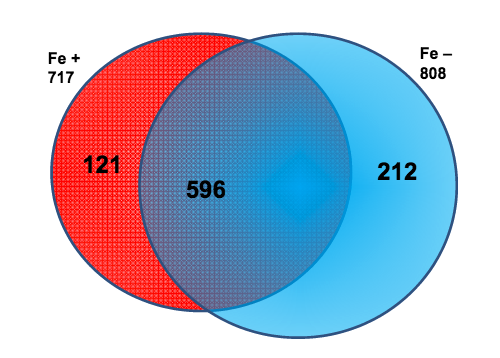
In many areas of the world’s oceans, diatoms such as Thalassiosira pseudonana are limited in growth by the availability of iron (Fe), which is an essential nutrient for diatoms. The authors of this study examined if Fe-limitation makes a significant difference in the proteins expressed within the chloroplast, the power source for diatoms, utilizing a new plastid isolation technique specific to diatoms and completing 14 mass spectrometry experiments.

Read More...

The Effect of Poverty on Mosquito-borne Illness Across the United States

Kar et al. | Feb 25, 2021

The Effect of Poverty on Mosquito-borne Illness Across the United States

Mosquito-borne diseases are a major issue across the world, and the objective for this project was to determine the characteristics that make some communities more susceptible to these diseases than others. The authors identified and studied characteristics that make communities susceptible to mosquito-borne diseases, including water in square miles, average temperature, population, population density, and poverty rates per county. They found that the population of a county is the best indicator of the prevalence of mosquito-borne diseases.

Read More...

Presoaking Seeds with Vinegar Improves Seed Development and Drought Tolerance in Maize Plants

D'Agate et al. | Jul 24, 2020

Presoaking Seeds with Vinegar Improves Seed Development and Drought Tolerance in Maize Plants

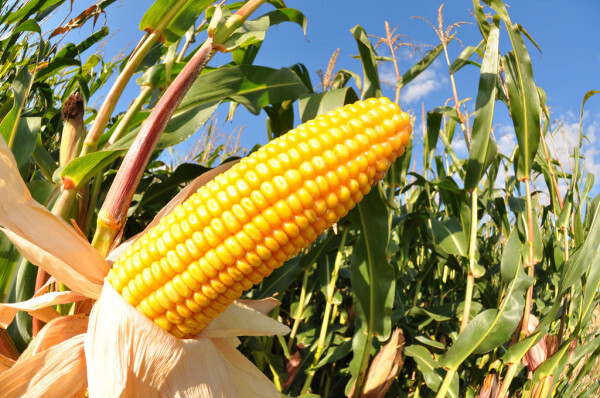
Climate change has contributed to the increasing annual temperatures around the world and poses a grave threat to Maize crops. Two methods proven to help combat plant drought stress effects are presoaking seeds (seeds are soaked in a liquid before planting) and the application of Acetic Acid (vinegar) to soil. The purpose of this experiment was to explore if combining these two methods by presoaking seeds with a vinegar solution can improve the seed development and plant drought tolerance of Maize plants during drought conditions.

Read More...

Differentiation of Waste Plastic Pyrolysis Fuels to Conventional Diesel Fuel

Jewison et al. | May 25, 2018

Differentiation of Waste Plastic Pyrolysis Fuels to Conventional Diesel Fuel

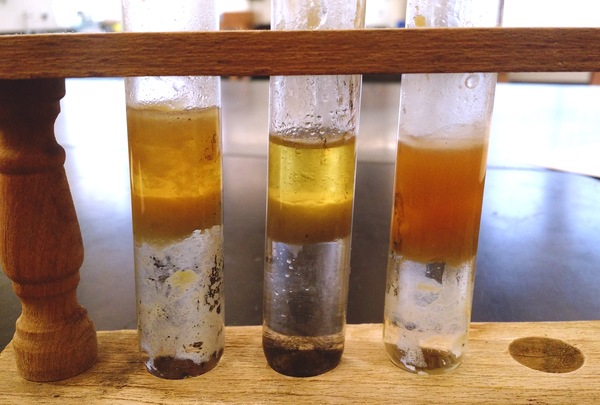
Plastic pollution and energy shortages are pressing issues in today’s world. The authors examined whether waste plastic pyrolysis fuels are similar to conventional diesel and, thus, a plausible alternative fuel. Results showed that waste plastic pyrolysis fuels did not match up to diesel overall, though several fuels came close in calorific value.

Read More...