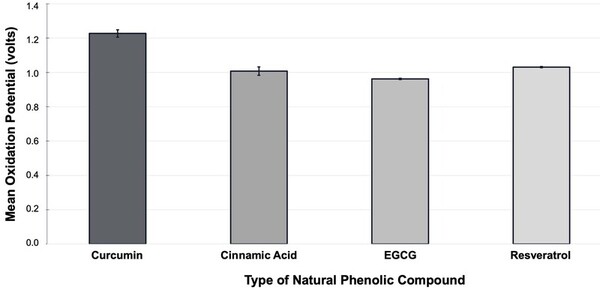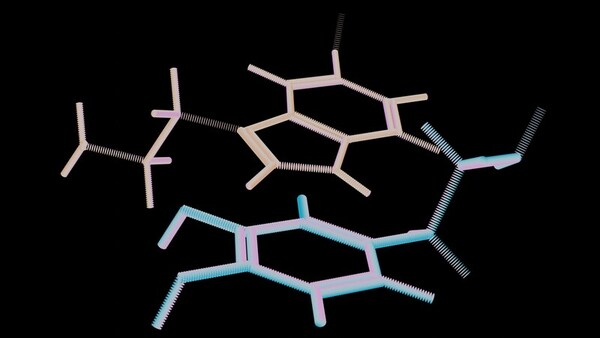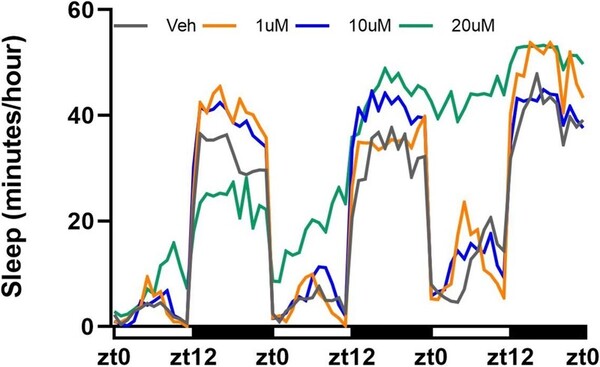
The authors looked at the potential of different phenolic compounds to reduce oxidative stress (i.e., act as antioxidants).
Read More...The effect of natural phenolic compounds on reducing oxidative stress
The authors looked at the potential of different phenolic compounds to reduce oxidative stress (i.e., act as antioxidants).
Read More...Quantifying natural recovery of dopamine deficits induced by chronic stress
Here the authors investigated the natural recovery of stress-induced dopamine-related gene deficits in C. elegans by measuring the expression of cat-2 (dopamine biosynthesis) and sod-2 (oxidative stress) following exposure to starvation or hydrocortisone. They found that the reversibility of sod-2 and the expression of cat-2 were highly dependent on the type and severity of the stressor, suggesting that the body's natural ability to recover from dopamine dysfunction has biological limitations.
Read More...The effect of neuroinflammation and oxidative stress on the recovery time of seizures
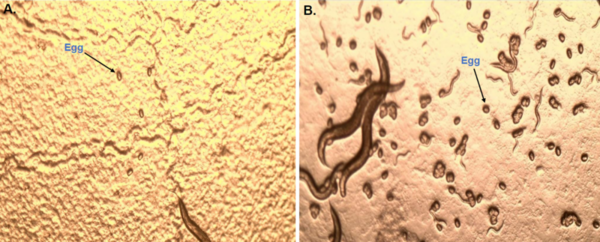
Neuroinflammation and oxidative stress are both known to play a role in the occurrence and severity of seizures. This study tested effects of oxidative stress from seizures by evaluating the longevity, egg-laying, and electroshock resilience of C. elegans. Results revealed that oxidative stress and neuroinflammation diminish longevity and reproductivity while also increasing recovery time after seizures in C. elegans. This research can help lead to future studies and may also lead to finding new therapeutics for epilepsy.
Read More...Post-Traumatic Stress Disorder (PTSD) biomarker identification using a deep learning model
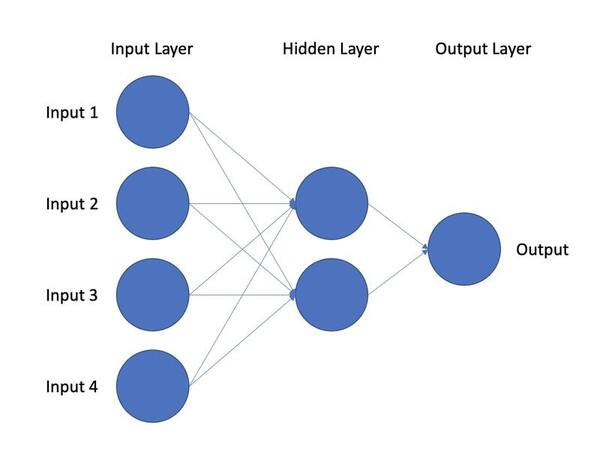
In this study, a deep learning model is used to classify post-traumatic stress disorder patients through novel markers to assist in finding candidate biomarkers for the disorder.
Read More...Effects of Photoperiod Alterations on Stress Response in Daphnia magna
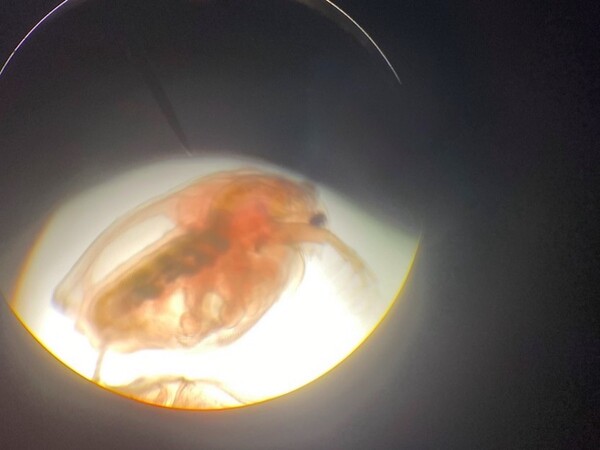
Here, seeking to better understand the effects of altered day-night cycles, the authors considered the effects of an altered photoperiod on Daphnia magna. By tracking possible stress responses, including mean heart rate, brood size, and male-to-female ratio they found that a shorter photoperiod resulted in altered mean heart rates and brood size. The authors suggest that based on these observations, it is important to consider the effects of photoperiod alterations and the stress responses of other organisms.
Read More...The effects of stress on the bacterial community associated with the sea anemone Diadumene lineata
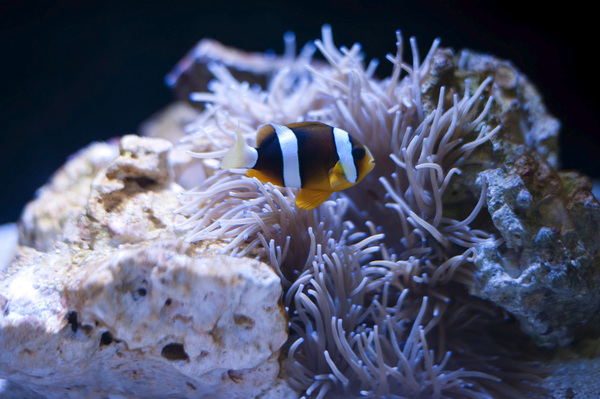
In healthy ecosystems, organisms interact in a relationship that helps maintain one another's existence. Stress can disrupt this interaction, compromising the survival of some of the members of such relationships. Here, the authors investigate the effect of stress on the interaction between anemones and their microbiome. Their study suggests that stress changes the composition of the surface microbiome of the anemone D. lineata, which is accompanied by an increase in mucus secretion. Future research into the composition of this stress-induced mucus might reveal useful antimicrobial properties.
Read More...Motivation’s impact on high-level high school students’ ability to balance academic and athletic stress
The authors looked at the relation between stress and motivation in high school students with 4+ AP classes that also played a varsity sport. No distinct correlation was observed, however, results indicated that there are other factors at play that influence both stress and motivation.
Read More...Characterizing the association between hippocampal reactive astrogliosis, anhedonia-like behaviors, and neurogenesis in a monkey model of stress and antidepressant treatment
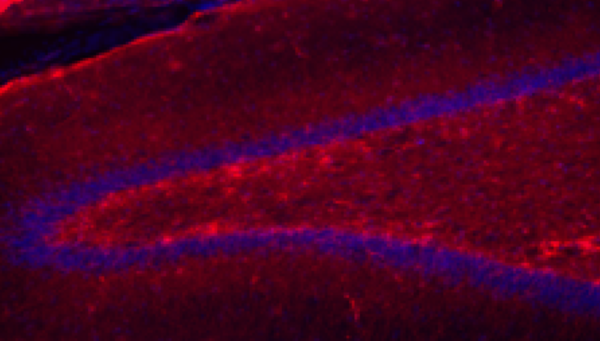
This study examined the effects of stress and selective serotonin reuptake inhibitors (SSRIs) on a measure of astrocyte reactivity in nonhuman primate (NHP) models of stress. Results showed that chronic separation stress in NHPs leads to increased signs of astrogliosis in the NHP hippocampus. The findings were consistent with the hypotheses that hippocampal astrogliosis is an important mechanism in stress-induced cognitive and behavioral deficits.
Read More...Exercise, grades, stress, and learning experiences during remote learning due to the COVID-19 pandemic
In this study, the authors survey middle and high school students in different states in the U.S. to evaluate stress levels, learning experiences, and activity levels during the COVID-19 pandemic.
Read More...Determining the Contribution of Osmotic Stress to the Antibacterial Properties of Honey
Honey possesses distinctive antimicrobial properties; however, it is unknown which compounds in honey are responsible for these properties. In this research study, Abdel-Azim et al. examine the role of osmotic stress in honey and the antibacterial efficacy of both Manuka and raw pasture honey.
Read More...