Browse Articles

It's better than me: Investigating the psychological risks of AI on self-esteem

Kim et al. | Sep 07, 2026

It's better than me: Investigating the psychological risks of AI on self-esteem

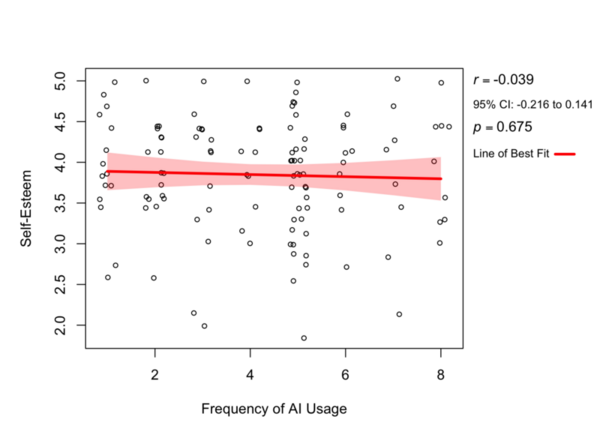
Here the authors investigated whether frequent use of generative AI tools triggers upward social comparison and negatively impacts users' performance self-esteem. Based on a survey of 121 adults, they found no significant relationship between AI usage and self-esteem, concluding that current chatbot interactions do not pose the same psychological threat as peer-based comparisons.

Read More...

Shortage of Black physicians: Florida Black medical student enrollment from 2013 to 2021

Khan et al. | Sep 18, 2024

Shortage of Black physicians: Florida Black medical student enrollment from 2013 to 2021

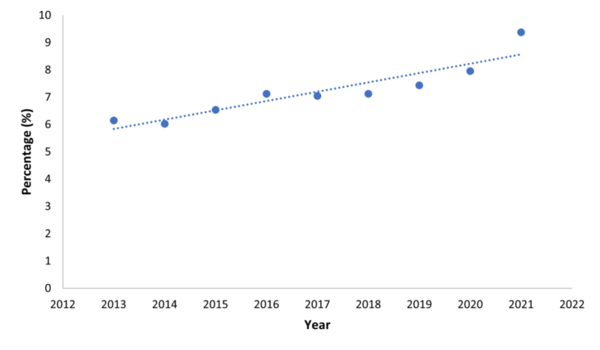
Black patients tend to have better health outcomes when cared for by Black physicians, yet Black doctors make up only 5% of U.S. physicians, despite Black people comprising 14% of the population. This analysis of data from Florida medical schools showed a higher enrollment of Black first-year students (13.5%) compared to the national average (9%), and a national increase from 6% in 2013 to 9% in 2021, aligning with the rise of social justice movements. Increasing Black medical student enrollment could reduce health disparities and improve outcomes for Black communities.

Read More...

Association between nonpharmacological interventions and dementia: A retrospective cohort study

Yerabandi et al. | Jan 09, 2023

Association between nonpharmacological interventions and dementia: A retrospective cohort study
Image credit: Ross Sneddon

Here, the authors investigated the role of nonpharmacological interventions in preventing or delaying cognitive impairment in individuals with and without dementia. By using a retrospective case-control study of 22 participants across two senior centers in San Diego, they found no significant differences in self-reported activities. However, they found that their results reflected activity rather than the activity itself, suggesting the need for an alternative type of study.

Read More...

The Effect of Interactive Electronics Use on Psychological Well Being and Interpersonal Relationship Quality in Adults

Belkin et al. | Apr 19, 2018

The Effect of Interactive Electronics Use on Psychological Well Being and Interpersonal Relationship Quality in Adults

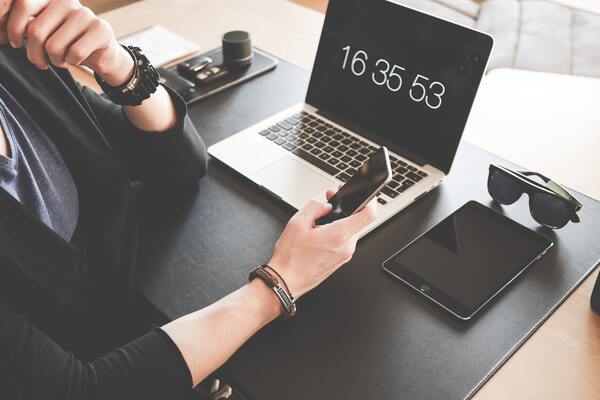
In recent years, usage of interactive electronic devices such as computers, smartphones, and tablets has increased dramatically. Many studies have examined the potential adverse effects of excessive usage of such devices on children and adolescents, but the effects on adults are not well understood. In this study, the authors examined the relationship between adult usage of interactive electronic devices and a variety of clinical measures of psychological well-being. They found that according to some metrics, higher usage of interactive electronic devices is associated with several adverse psychological outcomes, suggesting a need for more careful consideration of such usage patterns in clinical settings.

Read More...

Country-level relationship of OTC medicine consumption and frequency of GP consultation

Hirai et al. | Dec 09, 2024

Country-level relationship of OTC medicine consumption and frequency of GP consultation

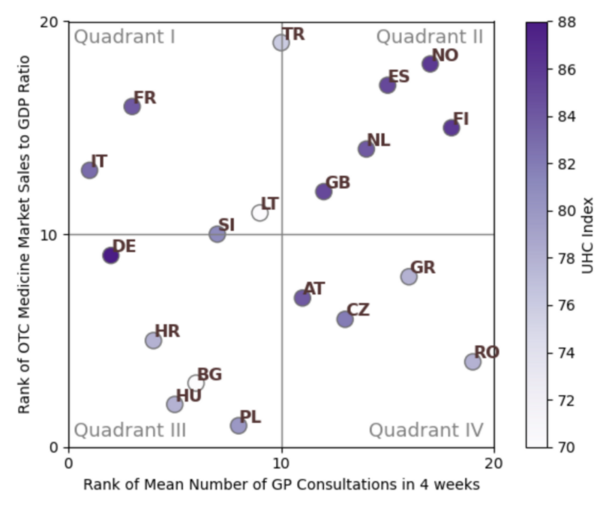
The discussion surrounding self-medication with non-prescription medicines has gained significance in healthcare and public health, particularly given the global increase in consumption of non-prescription drugs. This study aimed to examine the association between the frequency of general practitioner (GP) consultations and the proportion of economic resources spent on OTC medicine.

Read More...