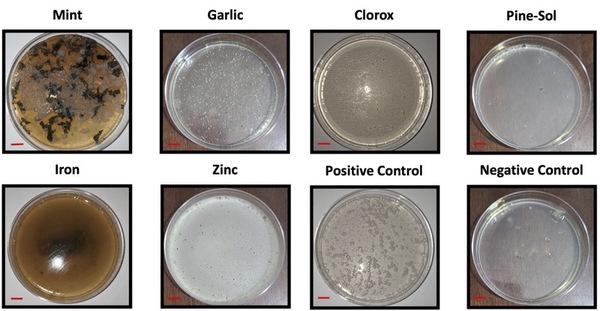
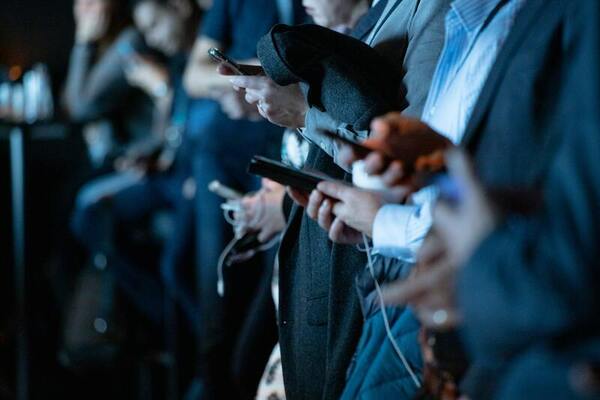
In this study, the authors investigate the disinfectant potential of many household spices and minerals. More specifically, they test whether these compounds can be used to disinfect mobile phones after daily use with the hope of identifying environmentally-friendly cleaning options.
In this study, the authors survey students and adults about how the COVID-19 pandemic has impacted their sleep patterns, eating habits, mood, physical activity, and screen time.
Content warning: This article discusses the frequency and impact of mass violence incidents, particularly school shootings. Gun violence, threats of gun violence, firearm supply, fatalities among minors, and bullying are discussed but not graphically described.
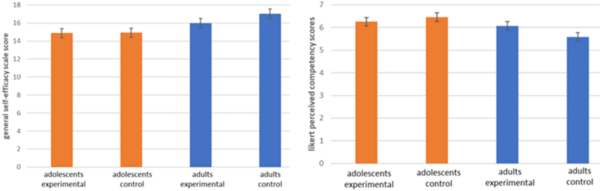
Social media is widely used and easily accessible for adolescents, it has the potential to increase STEM (Science, Technology, Engineering, and Math) identity in girls. We aimed to investigate the effects of exposure to counter-stereotypical portrayals of women in STEM on social media on the STEM identity of adolescent girls. The study concluded that social media alone may not be an effective tool to increase STEM identity in girls. Social media can still be used as a complementary tool to support and encourage women in STEM, but it should not be relied upon solely to address the gender disparity in STEM fields.
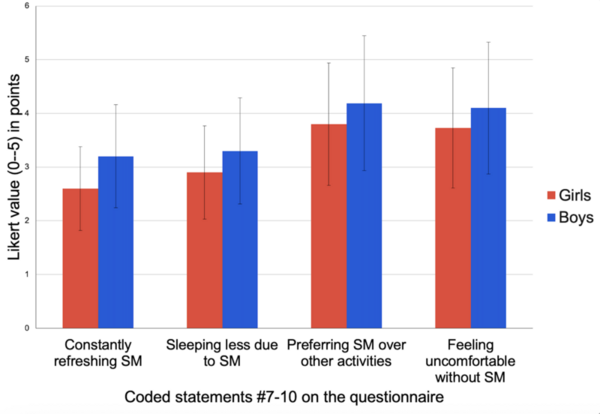
Here, seeking to understand the effects of social media in relation to social media fatigue and/or overload in recent years, the authors used various linear models to assess the results of a survey of 27 respondents. Their results showed that increased duration of use of social media did not necessarily lead to fatigue, suggesting that quality may be more important than quantity. They also considered the purpose of an individual's social media usage as well as their engagement behavior during the COVID-19 pandemic.
Here, seeking to better understand on the effects of social isolation during the COVID-19 pandemic, the authors used a survey during April and May of 2020 of participants primarily in Long Island, NY to assess the physical and mental health of the general population. They found negative impacts to physical health and increases in depressive symptoms and feelings of loneliness across all groups. More significant increases in negative mental health symptoms were observed in younger age groups and amongst women.
The COVID-19 pandemic has caused disruption in social interactions. In this study, the authors tested if walking a dog will change human interactions and found that walking with a dog increased social interaction.