Browse Articles

The Effects of Ezetimibe on Triglyceride and Alanine Transaminase Reduction in Drosophila Melanogaster Model of Nonalcoholic Fatty Liver Disease (NAFLD)

Dania et al. | Apr 30, 2020

The Effects of Ezetimibe on Triglyceride and Alanine Transaminase Reduction in <i>Drosophila Melanogaster</i> Model of Nonalcoholic Fatty Liver Disease (NAFLD)

Nonalcoholic Fatty Liver Disease (NAFLD) is a condition where a surplus of triglycerides or fat are present in the liver. In this study, ezetimibe, a cholesterol lowering drug, was used to treat flies modeling NAFLD. Compared to the coconut oil fed flies that were transferred to the control medium, the flies transferred to the control medium treated with ezetimibe showed a decrease in their triglyceride and alanine transaminase level.

Read More...

Risk assessment modeling for childhood stunting using automated machine learning and demographic analysis

Sirohi et al. | Sep 25, 2022

Risk assessment modeling for childhood stunting using automated machine learning and demographic analysis

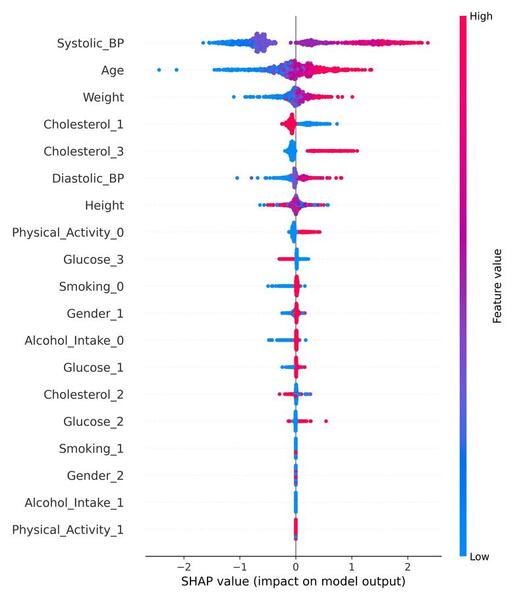
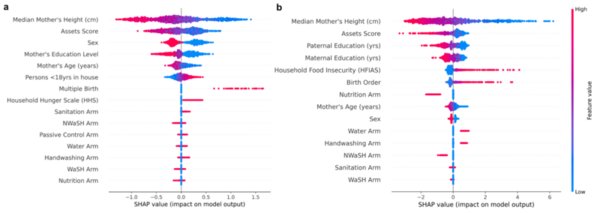
Over the last few decades, childhood stunting has persisted as a major global challenge. This study hypothesized that TPTO (Tree-based Pipeline Optimization Tool), an AutoML (automated machine learning) tool, would outperform all pre-existing machine learning models and reveal the positive impact of economic prosperity, strong familial traits, and resource attainability on reducing stunting risk. Feature correlation plots revealed that maternal height, wealth indicators, and parental education were universally important features for determining stunting outcomes approximately two years after birth. These results help inform future research by highlighting how demographic, familial, and socio-economic conditions influence stunting and providing medical professionals with a deployable risk assessment tool for predicting childhood stunting.

Read More...