
The authors looked at the correlation between C reactive protein levels and neurological deficits in patients who had suffered an ischemic stroke.
Read More...C reactive protein and risk of neurological deficits and disability in patients with acute ischemic stroke
The authors looked at the correlation between C reactive protein levels and neurological deficits in patients who had suffered an ischemic stroke.
Read More...A statistical analysis and generalized linear models of cerebral stroke

Here the authors sought to investigate whether and how cerebral stroke and other health-related variables are influenced together and amongst each other by using statistical analyses. Their analysis suggested relations between nearly all variables considered, with the strongest association between having heart disease and a cerebral stroke.
Read More...Understanding investors behaviors during the COVID-19 outbreak using Twitter sentiment analysis
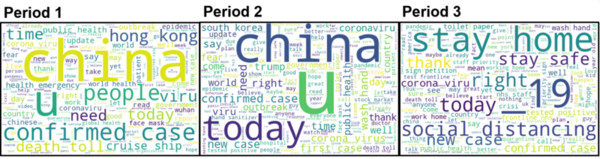
The authors examine a relationship between tweet sentiment and stock market behavior during the early weeks of the COVID-19 pandemic.
Read More...Investigating the contribution of genetic risk factors to gastric cancer in Korean-ancestry populations
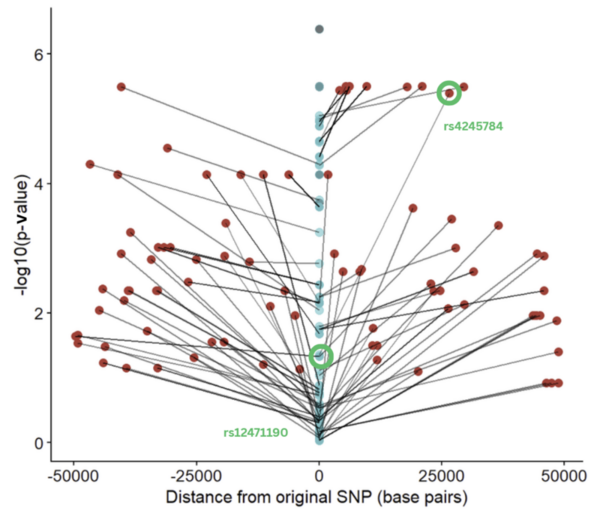
This project investigated whether previously identified genetic risk factors in non-Korean populations were associated with high gastric cancer incidence rates in Koreans.
Read More...Fourier-Transform Infrared (FTIR) spectroscopy analysis of seven wisconsin biosolids

The authors analyzed biosolids from five Wisconsin wastewater treatment plants and suggest using KBr pellet FTIR as a simple and rapid method to start characterizing P species in biosolids.
Read More...Using two-step machine learning to predict harmful algal bloom risk

Using machine learning to predict the risk of algae bloom
Read More...Examining the prevalence of depression in coronary artery disease patients: a cross-sectional analysis
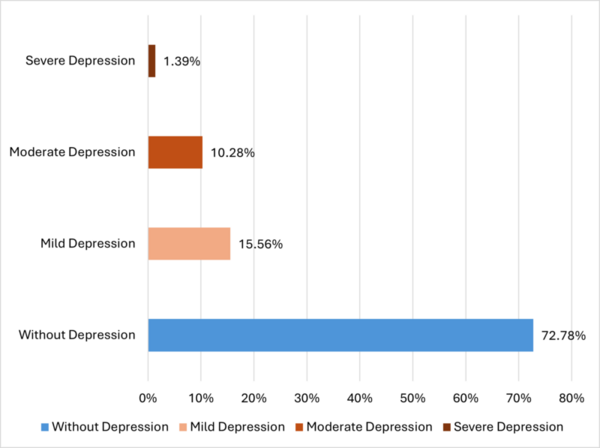
The authors surveyed individuals diagnosed with coronary artery disease about their mental health to study a potential connection between coronary artery disease and depression.
Read More...Refinement of Single Nucleotide Polymorphisms of Atopic Dermatitis related Filaggrin through R packages

In the United States, there are currently 17.8 million affected by atopic dermatitis (AD), commonly known as eczema. It is characterized by itching and skin inflammation. AD patients are at higher risk for infections, depression, cancer, and suicide. Genetics, environment, and stress are some of the causes of the disease. With the rise of personalized medicine and the acceptance of gene-editing technologies, AD-related variations need to be identified for treatment. Genome-wide association studies (GWAS) have associated the Filaggrin (FLG) gene with AD but have not identified specific problematic single nucleotide polymorphisms (SNPs). This research aimed to refine known SNPs of FLG for gene editing technologies to establish a causal link between specific SNPs and the diseases and to target the polymorphisms. The research utilized R and its Bioconductor packages to refine data from the National Center for Biotechnology Information's (NCBI's) Variation Viewer. The algorithm filtered the dataset by coding regions and conserved domains. The algorithm also removed synonymous variations and treated non-synonymous, frameshift, and nonsense separately. The non-synonymous variations were refined and ordered by the BLOSUM62 substitution matrix. Overall, the analysis removed 96.65% of data, which was redundant or not the focus of the research and ordered the remaining relevant data by impact. The code for the project can also be repurposed as a tool for other diseases. The research can help solve GWAS's imprecise identification challenge. This research is the first step in providing the refined databases required for gene-editing treatment.
Read More...Examining cognitive differences between experienced and novice entrepreneurs
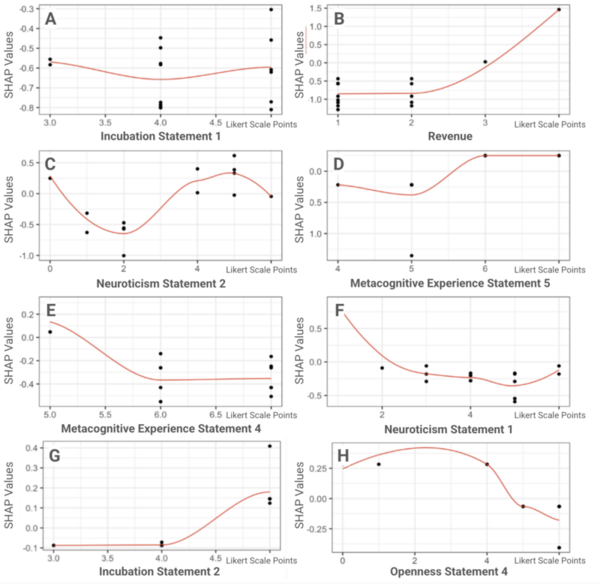
This study used surveys, interviews, and XGBoost analysis to examine how experienced and novice entrepreneurs differ in their thinking and decision-making.
Read More...Breast cancer mammographic screening by different guidelines among women of different races/ethnicities
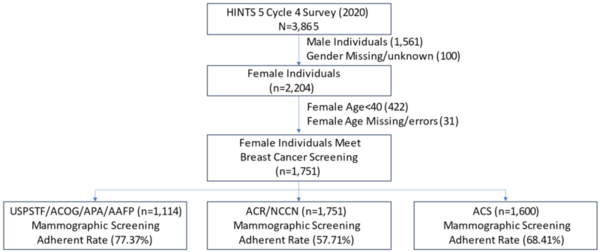
Mammographic screening is a common diagnostic tool for breast cancer among average-risk women. The authors hypothesized that adherence rates for mammographic screening may be lower among minorities (non-Hispanic black (NHB) and Hispanic/Latino) than among non-Hispanic whites (NHW) regardless of the guideline applied. The findings support other studies’ results that different racial/ethnic and socio-demographic factors can affect screening adherence. Therefore, healthcare providers should promote breast cancer screening especially among NHW/Hispanic women and women lacking insurance coverage.
Read More...