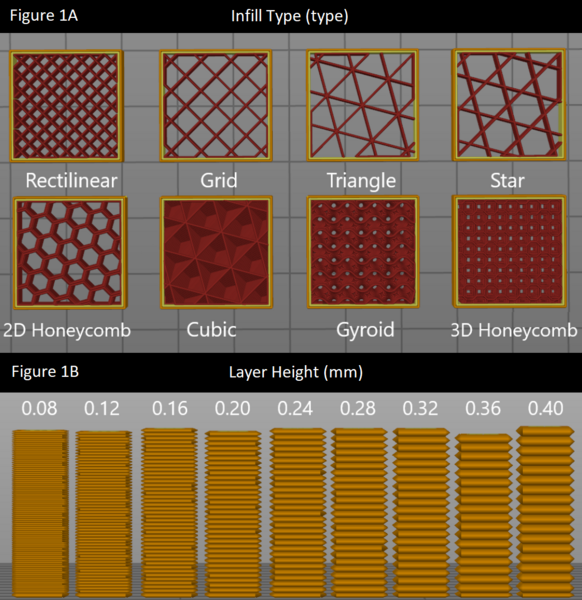
In this study, the authors test different infill patterns to determine which would be the strongest and most durable for 3D printing applications, which have become an integral part of many facets of life.
Read More...Optimizing 3D printing parameters: Evaluating infill type and layer height effects on tensile fracture force
In this study, the authors test different infill patterns to determine which would be the strongest and most durable for 3D printing applications, which have become an integral part of many facets of life.
Read More...Breaking the Ice: A Scientific Take on the Ice Melting Abilities of Household Salts
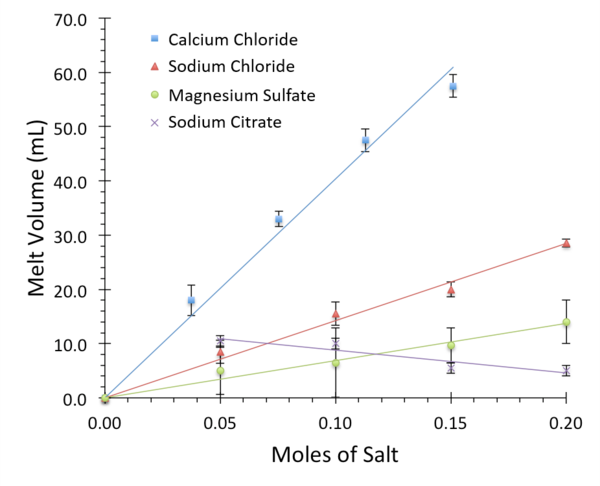
The use of salt to melt ice is a common and important practice to keep roadways safe during winter months. However, various subtypes of salt differ in their chemical and physical properties, as well as their environmental impact. In this study, the authors measure the effectiveness of different salts at disrupting ice structures and identify calcium chloride as the most effective.
Read More...Tree-Based Learning Algorithms to Classify ECG with Arrhythmias
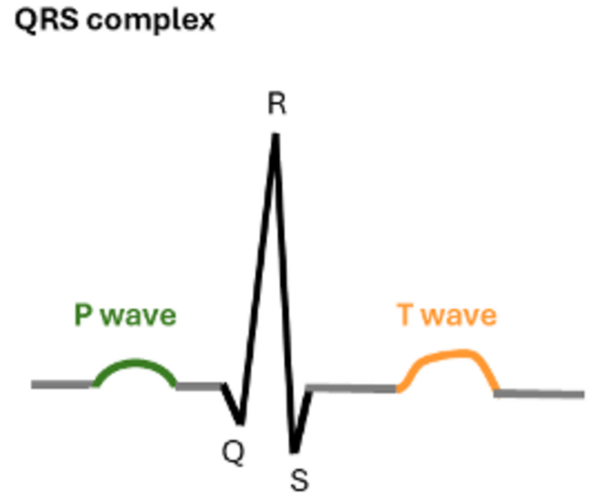
Arrhythmias vary in type and treatment, and ECGs are used to detect them, though human interpretation can be inconsistent. The researchers tested four tree-based algorithms (gradient boosting, random forest, decision tree, and extra trees) on ECG data from over 10,000 patients.
Read More...A 3D printed triboelectric nanogenerator for bridge vibration energy harvesting and sensing
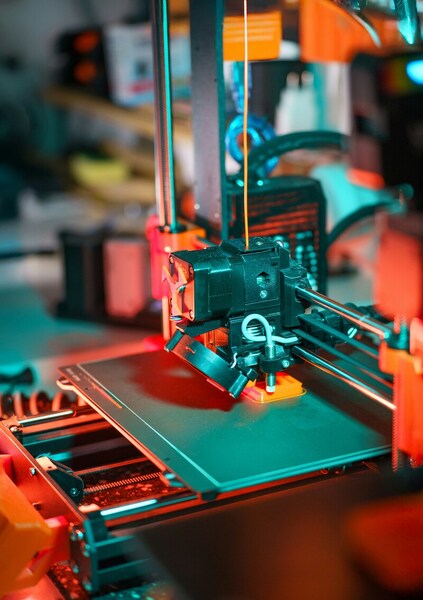
This study strongly illustrates that optimizing 3D printing parameters would enhance a triboelectric nanogenerator's performance. The design improvements substantiate the potential of optimized, 3D-printed TENGs for developing scalable, cost-effective solutions for powering low-energy electronics, particularly in applications such as structural health monitoring.
Read More...Algorithmic barriers: Investigating student perceptions of AI bias in subjective “culture fit” hiring

This study investigated perceptions of the emerging workforce toward the use of artificial intelligence in hiring, specifically for assessing subjective "culture fit." Through a mixed-methods survey of 150 high school and early-college students in Nepal, we found a significant disconnect between organizational adoption of AI and the profound skepticism of young job candidates, who express deep concerns about fairness, transparency, and the potential for AI to perpetuate systemic discrimination.
Read More...Unit-price anchoring affects consumer purchasing behavior
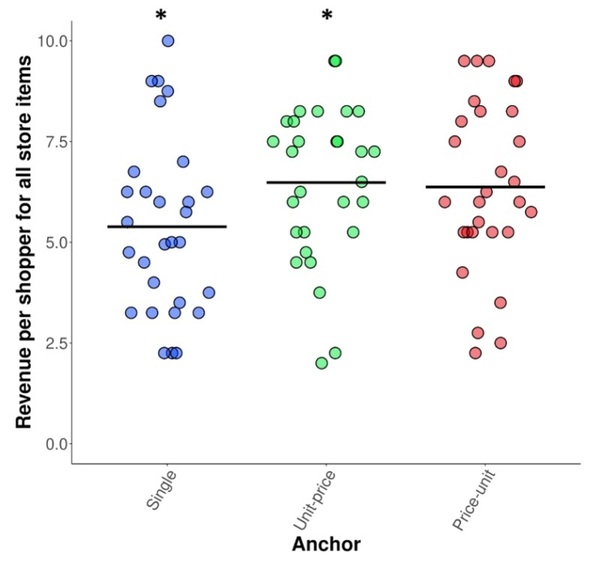
This study examines how anchoring—providing numerical suggestions like "2 for $4"—can influence consumer purchasing decisions and increase revenue. The researchers tested three types of price anchors on 29 high school students shopping in a mock store.
Read More...Optical anisotropy of crystallized vanillin thin film: the science behind the art
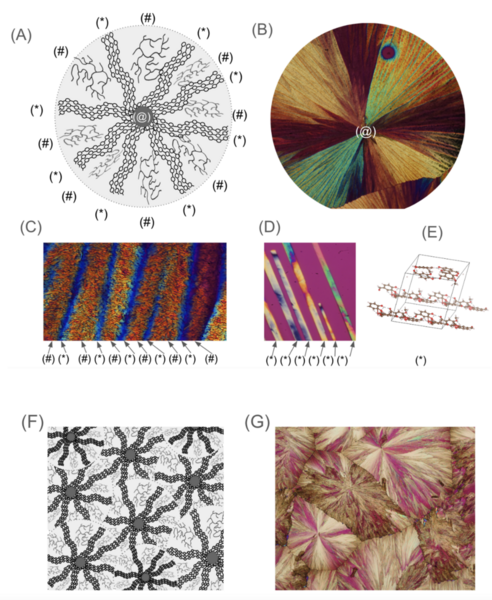
Microscopic beauty is hiding in common kitchen ingredients - even vanillin flavoring can be turned into mesmerizing artwork by crystallizing the vanillin and examining it under a polarizing microscope. Wang and Pang explore this hidden beauty by determining the optimal conditions to grow crystalline vanillin films and by creating computer simulations of chemical interactions between vanillin molecules.
Read More...Flight paths over greenspace in major United States airports

Greenspaces (urban and wetland areas that contain vegetation) are beneficial to reducing pollution, while airplanes are a highly-polluting method of transportation. The authors examine the intersection of these two environmental factors by processing satellite images to reveal what percentage of flight paths go over greenspaces at major US airports.
Read More...siRNA-dependent KCNMB2 silencing inhibits lung cancer cell proliferation and promotes cell death
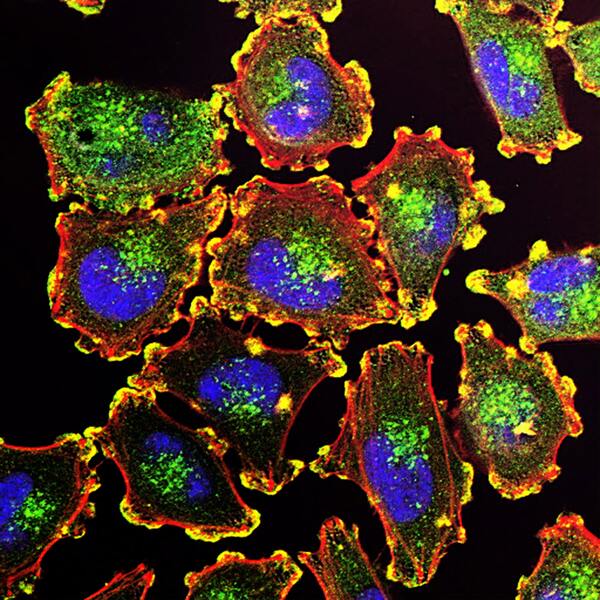
Here, seeking to better understand the genetic associations underlying non-small cell lung cancer, the authors screened hundreds of genes, identifying that KCNMB2 upregulation was significantly correlated with poor prognoses in lung cancer patients. Based on this, they used small interfering RNA to decrease the expression of KCNMB2 in A549 lung cancer cells, finding decreased cell proliferation and increased lung cancer cell death. They suggest this could lead to a new potential target for lung cancer therapies.
Read More...Environmentally-friendly graphene conductive ink using graphene powder, polystyrene, and waste oil
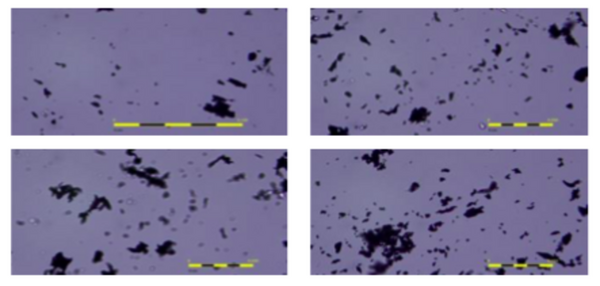
In this article, the authors propose an effective, environmentally-friendly method of producing conductive ink using expired waste oil, polystyrene, and graphene.
Read More...