Browse Articles

A novel deep learning model for visibility correction of environmental factors in autonomous vehicles

Dey et al. | Oct 31, 2022

A novel deep learning model for visibility correction of environmental factors in autonomous vehicles

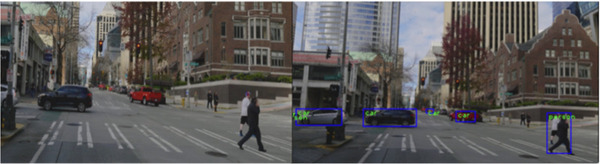
Intelligent vehicles utilize a combination of video-enabled object detection and radar data to traverse safely through surrounding environments. However, since the most momentary missteps in these systems can cause devastating collisions, the margin of error in the software for these systems is small. In this paper, we hypothesized that a novel object detection system that improves detection accuracy and speed of detection during adverse weather conditions would outperform industry alternatives in an average comparison.

Read More...
Creating a drought prediction model using convolutional neural networks

Bora et al. | Oct 08, 2024

Creating a drought prediction model using convolutional neural networks
Image credit: The authors

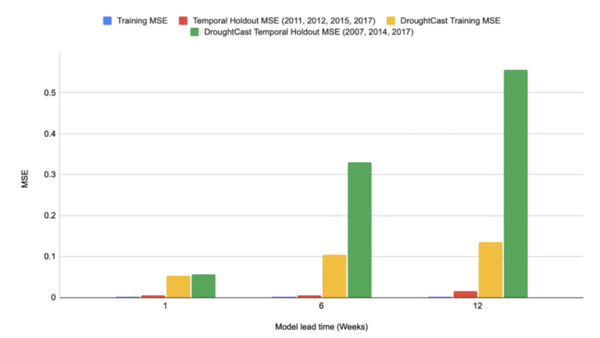
Droughts kill over 45,000 people yearly and affect the livelihoods of 55 million others worldwide, with climate change likely to worsen these effects. However, unlike other natural disasters (hurricanes, etc.), there is no early detection system that can predict droughts far enough in advance to be useful. Bora, Caulkins, and Joycutty tackle this issue by creating a drought prediction model.

Read More...

Investigating the Role of Biotic Factors in Host Responses to Rhizobia in the System Medicago truncatula

Rathod et al. | Jan 22, 2019

Investigating the Role of Biotic Factors in Host Responses to Rhizobia in the System Medicago truncatula

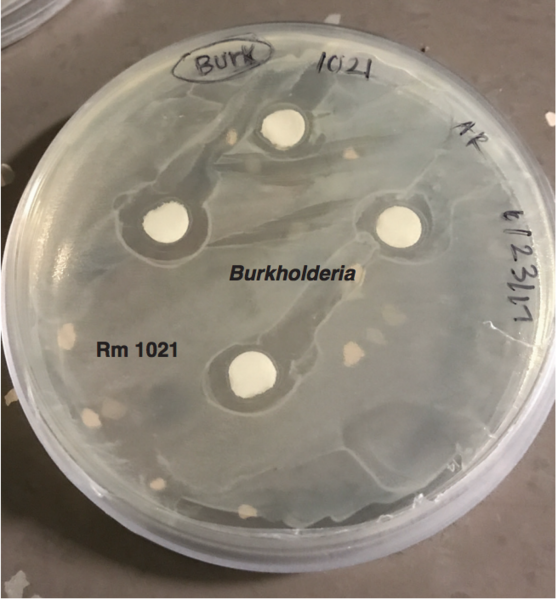
Nitrogen-fixing bacteria, such as the legume mutualist rhizobia, convert atmospheric nitrogen into a form that is usable by living organisms. Leguminous plants, like the model species Medicago truncatula, directly benefit from this process by forming a symbiotic relationship with rhizobia. Here, Rathod and Rowe investigate how M. truncatula responds to non-rhizobial bacterial partners.

Read More...

Mitigating skin color bias in dermatology AI using CycleGAN-based data augmentation

Kannan et al. | Jun 24, 2026

Mitigating skin color bias in dermatology AI using CycleGAN-based data augmentation
Image credit: Kannan and Ramasamy

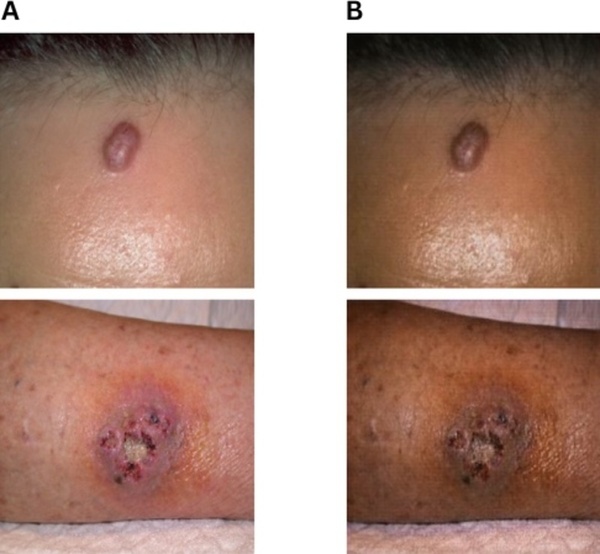
This study investigates skin tone bias in artificial intelligence models used for dermatological disease classification and evaluates a CycleGAN-based data augmentation approach to improve diagnostic performance on darker skin types. We generated synthetic dark-skinned images to enhance dataset diversity and compared model performance before and after augmentation. The results demonstrate that augmentation with synthetic dermatological images can help reduce disparities in diagnostic performance across skin tones, highlighting a practical strategy for improving fairness in dermatology AI systems.

Read More...

A model for angle evolution in conical piles formed using the fixed funnel method

Capaldi et al. | Jul 20, 2026

A model for angle evolution in conical piles formed using the fixed funnel method

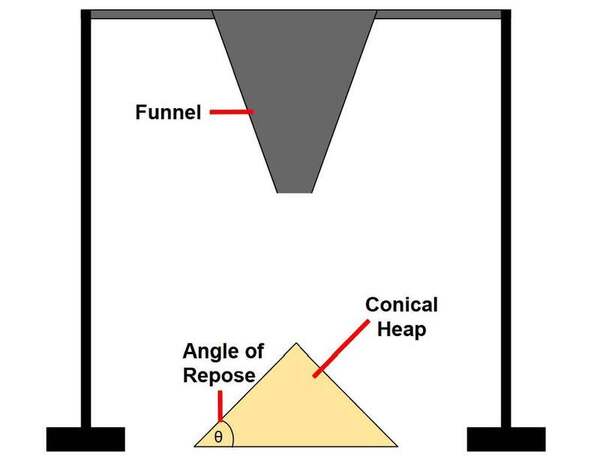
When granular materials are poured onto a surface, they form conical piles whose slopes increase before reaching a stable angle of repose. We found that this angle evolution follows a previously unrecognized two-phase exponential growth pattern that is conserved across granular materials with diverse particle properties. The parameters of this model correlate with particle friction and are influenced by deposition conditions, providing a quantitative framework for describing pile formation.

Read More...

Integrated Ocean Cleanup System for Sustainable and Healthy Aquatic Ecosystems

Anand et al. | Nov 14, 2020

Integrated Ocean Cleanup System for Sustainable and Healthy Aquatic Ecosystems

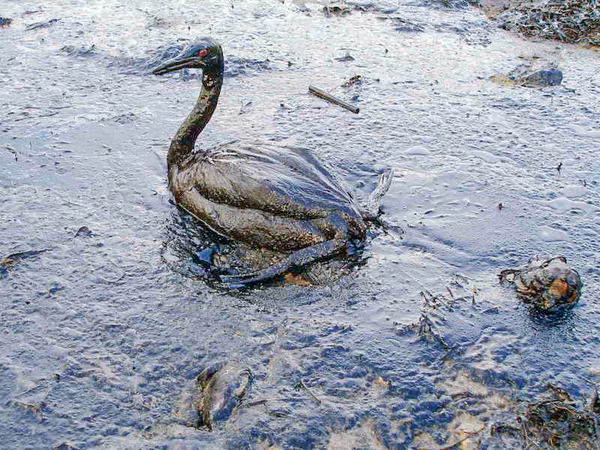
Oil spills are one of the most devastating events for marine life. Finding ways to clean up oil spills without the need for harsh chemicals could help decrease the negative impact of such spills. Here the authors demonstrate that using a combination of several biodegradable substances can effectively adsorb oil in seawater in a laboratory setting. They suggest further exploring the potential of such a combination as a possible alternative to commonly-used non-biodegradable substances in oil spill management.

Read More...

An explainable model for content moderation

Cao et al. | Aug 16, 2023

An explainable model for content moderation

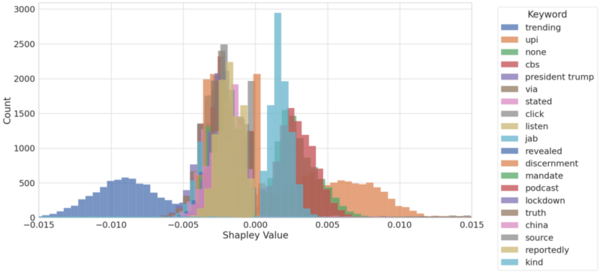
The authors looked at the ability of machine learning algorithms to interpret language given their increasing use in moderating content on social media. Using an explainable model they were able to achieve 81% accuracy in detecting fake vs. real news based on language of posts alone.

Read More...

A Novel Alzheimer's Disease Therapeutic Model: Attenuating Hyperphosphorylated Tau and Amyloid β (Aβ) Aggregates by Characterizing Antioxidative, Anti-Inflammatory, and Neuroprotective Properties of Natural Extracts

Pokkunuri et al. | Jul 25, 2022

A Novel Alzheimer's Disease Therapeutic Model: Attenuating Hyperphosphorylated Tau and Amyloid β (Aβ) Aggregates by Characterizing Antioxidative, Anti-Inflammatory, and Neuroprotective Properties of Natural Extracts

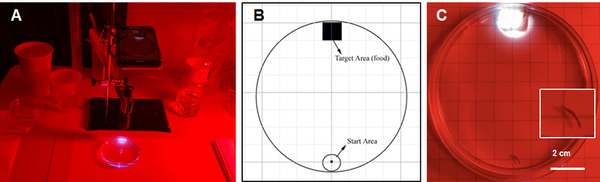
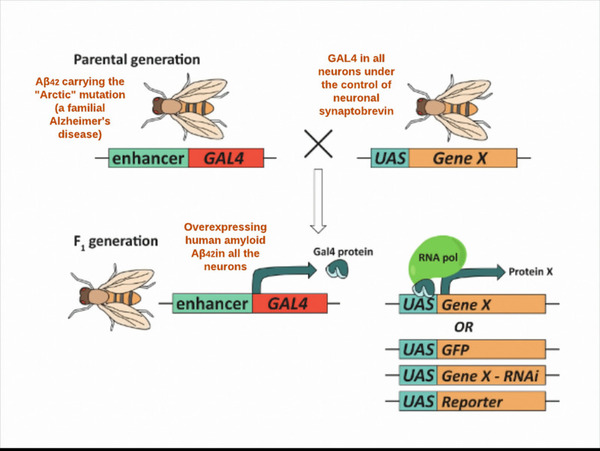
Oxidative damage and neuro-inflammation were the key pathways implicated in the pathogenesis of Alzheimer’s disease. In this study, 30 natural extracts from plant roots and leaves with extensive anti-inflammatory and anti-oxidative properties were consumed by Drosophila melanogaster. Several assays were performed to evaluate the efficacy of these combinational extracts on delaying the progression of Alzheimer’s disease. The experimental group showed increased motor activity, improved associative memory, and decreased lifespan decline relative to the control group.

Read More...

A novel filtration model for microplastics using natural oils and its application to the environment

Park et al. | Jun 27, 2022

A novel filtration model for microplastics using natural oils and its application to the environment

Recognizing the need for a method to filter microplastics from polluted water the authors sought to use nonpolar solvents, palm oil and palm kernel oil, to filter microplastics out of model seawater. By relying on the separation of polar and nonpolar solvents followed by freezing the nonpolar solvent, they reported that microplastics could be extracted with percentages ranging from 96.2% to 94.2%. They also provided an estimation to use this method as part of container ships to clean the Pacific Ocean of microplastics.

Read More...