Browse Articles

Investigating the effects of glucose reintroduction on acutely starved HeLa cells

Puduru et al. | Jul 05, 2026

Investigating the effects of glucose reintroduction on acutely starved HeLa cells

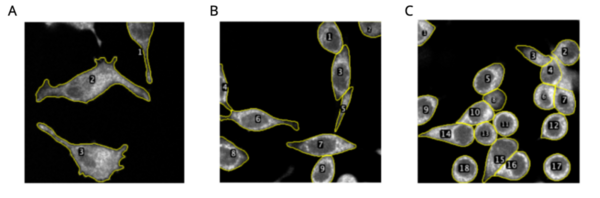
Cancer cells rely heavily on glycolysis, but how they respond when glucose is reintroduced after acute starvation is not well understood. Using fluorescence lifetime imaging microscopy, students tracked metabolic changes in HeLa cells and found a rapid shift toward glycolysis within 20 minutes of glucose reintroduction, followed by heterogeneous recovery toward oxidative phosphorylation. These results highlight metabolic flexibility and variability in cancer cells, offering insights relevant to treatment resistance and therapeutic design.

Read More...

Molecular Alterations in a High-Fat Mouse Model Before the Onset of Diet–Induced Nonalcoholic Fatty Liver Disease

Lee et al. | Sep 20, 2016

Molecular Alterations in a High-Fat Mouse Model Before the Onset of Diet–Induced Nonalcoholic Fatty Liver Disease

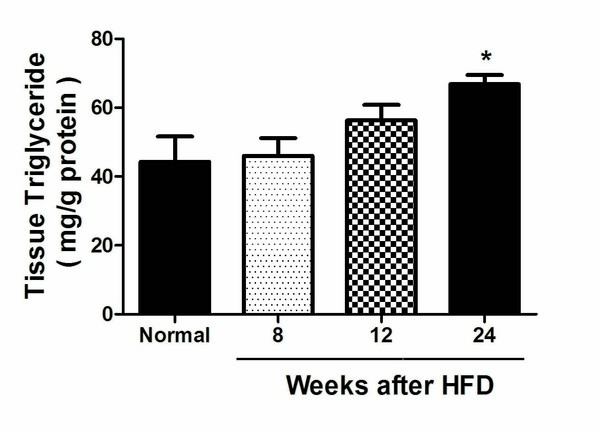
Nonalcoholic fatty liver disease (NAFLD) is one of the most prevalent chronic liver diseases worldwide, but there are few studied warning signs for early detection of the disease. Here, researchers study alterations that occur in a mouse model of NAFLD, which indicate the onset of NAFLD sooner. Earlier detection of diseases can lead to better prevention and treatment.

Read More...

Which Diaper is More Absorbent, Huggies or Pampers?

Shramko et al. | Sep 19, 2013

Which Diaper is More Absorbent, Huggies or Pampers?

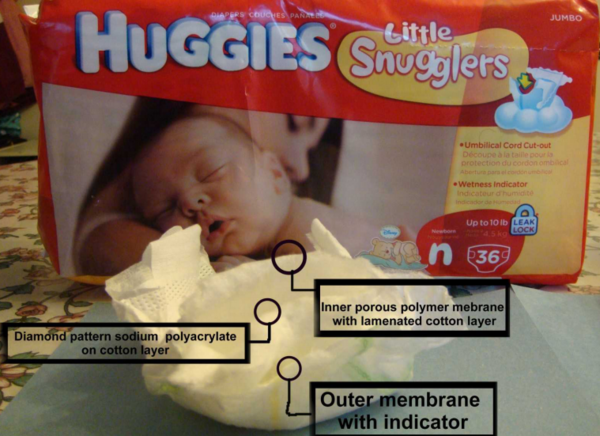
The authors here investigate the absorbency of two leading brands of diapers. They find that Huggies Little Snugglers absorb over 50% more salt water than Pampers Swaddlers, although both absorb significantly more fluid than what an average newborn can produce.

Read More...

The feeling of beauty in music: Relaxing and not confusing

Jain et al. | Sep 07, 2022

The feeling of beauty in music: Relaxing and not confusing

Here, the authors sought to better understand how and why people experience beauty in music. They explored this fundamental aesthetic response by considering numerous emotional responses of participants to diverse musical excerpts using a 42-item Aesthetic Emotions Scale assessment. They found that the highly nuanced emotional experience of beauty in music includes positive, negative, and knowledge-related feelings.

Read More...

The effects of COVID-19 pandemic social isolation on the mental and physical health of the general population

Cinque et al. | Oct 15, 2022

The effects of COVID-19 pandemic social isolation on the mental and physical health of the general population

Here, seeking to better understand on the effects of social isolation during the COVID-19 pandemic, the authors used a survey during April and May of 2020 of participants primarily in Long Island, NY to assess the physical and mental health of the general population. They found negative impacts to physical health and increases in depressive symptoms and feelings of loneliness across all groups. More significant increases in negative mental health symptoms were observed in younger age groups and amongst women.

Read More...

Therapy dogs effectively reduce stress in college preparatory students

Ikeda et al. | Nov 27, 2023

Therapy dogs effectively reduce stress in college preparatory students
Image credit: Ryan Stone

In this article the authors looked at the effect of spending time with a therapy dog before and after stressful events. They found that interacting with a therapy before a stressful event showed more significant reduction in signs of stress compared to interacting with a therapy dog after stressful events have already occurred.

Read More...

Early detection of student burnout using data science: a study of behavioral and psychological indicators

Baber et al. | Jul 13, 2026

Early detection of student burnout using data science: a study of behavioral and psychological indicators

This study examined behavioral and psychological predictors of burnout among high school and university students in Pakistan using survey data and machine-learning models. Shorter sleep and greater mental fatigue—especially fatigue—were associated with higher burnout risk, while a Random Forest model successfully identified students at risk of burnout.

Read More...