Browse Articles

Modeling the effects of acid rain on bacterial growth

Shah et al. | Nov 17, 2020

Modeling the effects of acid rain on bacterial growth

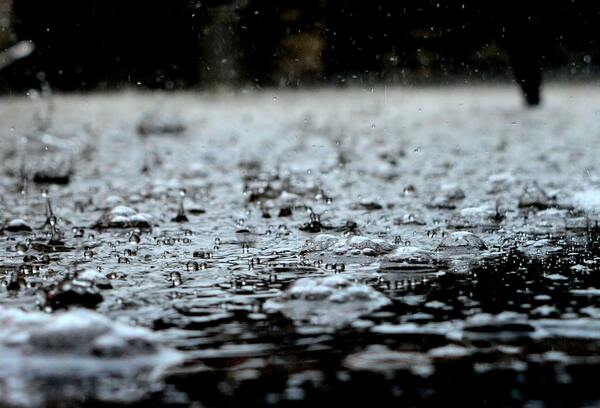
Acid rain has caused devastating decreases in ecosystems across the globe. To mimic the effect of acid rain on the environment, the authors analyzed the growth of gram-negative (Escherichia coli) and gram-positive (Staphylococcus epidermidis) bacteria in agar solutions with different pH levels. Results show that in a given acidic environment there was a significant decrease in bacterial growth with an increase in vinegar concentration in the agar, suggesting that bacterial growth is impacted by the pH of the environment. Therefore, increased levels of acid rain could potentially harm the ecosystem by altering bacterial growth.

Read More...


Simulating single versus cocktail antibiotic effects on the human gut microbiome

Patel et al. | Jul 19, 2026

Simulating single versus cocktail antibiotic effects on the human gut microbiome
Image credit: Volodymyr Hryshchenko

This study, uses SimulATe to model changes in microbial diversity and community structure upon administering a cocktail of antibiotics versus a single antibiotic. The authors hypothesized that antibiotic cocktails, particularly those combining broad-spectrum drugs like tetracyclines and trimethoprims, would cause a more significant reduction in gut microbial diversity compared to single-drug treatments. The findings confirmed a greater loss of microbial diversity with combinatorial treatments compared to single-drug treatments. While individual antibiotics dynamically reshaped the surviving species of the microbiome, antibiotic cocktails frequently cleared all species of the gut microbiome.

Read More...

Pollination Patterns by Green-Backed Firecrown Hummingbirds

Freeland et al. | May 28, 2020

Pollination Patterns by Green-Backed Firecrown Hummingbirds

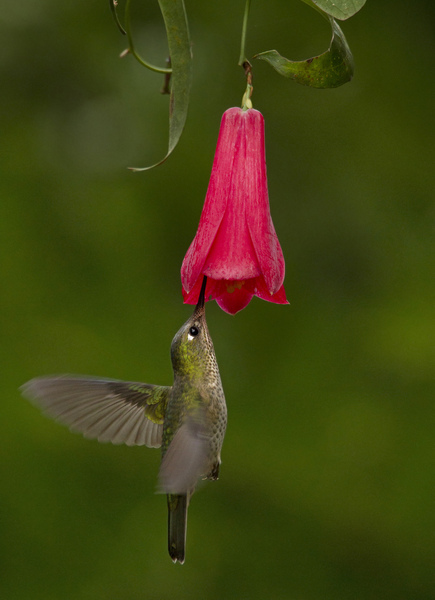
The Green-backed Firecrown hummingbird is an essential pollinator in the temperate rainforests of southern South America. However, little is known about the ecology of these birds. Authors examined the foraging patterns of these birds identifying interesting differences in foraging patterns among season, age and sex.

Read More...

Effects of Ocean Acidification on the Photosynthetic Ability of Chaetoceros gracilis in the Monterey Bay

Harvell et al. | Jan 16, 2020

Effects of Ocean Acidification on the Photosynthetic Ability of <i>Chaetoceros gracilis</i> in the Monterey Bay

In this article, Harvell and Nicholson hypothesized that increased ocean acidity would decrease the photosynthetic ability of Chaetoceros gracilis, a diatom prolific in Monterey Bay, because of the usually corrosive effects of carbonic acid on both seashells and cells’ internal structures. They altered pH of algae environments and measured the photosynthetic ability of diatoms over four days by spectrophotometer. Overall, their findings indicate that C. gracilis may become more abundant in Monterey Bay as the pH of the ocean continues to drop, potentially contributing to harmful algal blooms.

Read More...

A novel filtration model for microplastics using natural oils and its application to the environment

Park et al. | Jun 27, 2022

A novel filtration model for microplastics using natural oils and its application to the environment

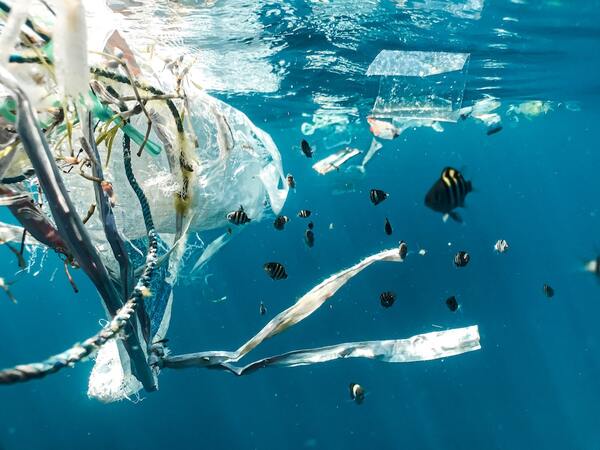
Recognizing the need for a method to filter microplastics from polluted water the authors sought to use nonpolar solvents, palm oil and palm kernel oil, to filter microplastics out of model seawater. By relying on the separation of polar and nonpolar solvents followed by freezing the nonpolar solvent, they reported that microplastics could be extracted with percentages ranging from 96.2% to 94.2%. They also provided an estimation to use this method as part of container ships to clean the Pacific Ocean of microplastics.

Read More...

Friend or foe: Using DNA barcoding to identify arthropods found at home

Wang et al. | Mar 14, 2022

Friend or foe: Using DNA barcoding to identify arthropods found at home

Here the authors used morphological characters and DNA barcoding to identify arthropods found within a residential house. With this method they identified their species and compared them against pests lists provided by the US government. They found that none of their identified species were considered to be pests providing evidence against the misconception that arthropods found at home are harmful to humans. They suggest that these methods could be used at larger scales to better understand and aid in mapping ecosystems.

Read More...