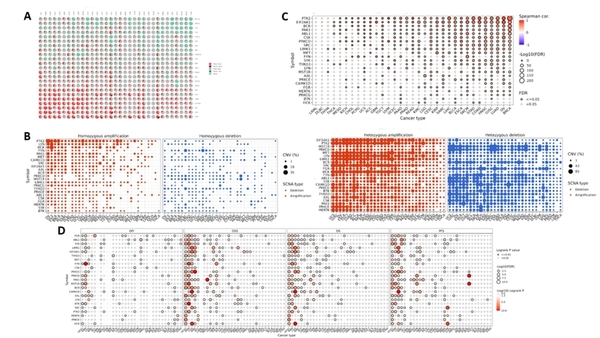
This study analyzes genetic alterations and expression patterns of protein kinases involved in phagocytosis across multiple cancers using TCGA data.
Read More...Protein kinases in phagocytosis (phagocytotic kinome): A promising biomarker set in cancer therapeutics
This study analyzes genetic alterations and expression patterns of protein kinases involved in phagocytosis across multiple cancers using TCGA data.
Read More...The impact of genetic, drug, and procedural factors on cardiac xenograft survival days in non-human primates
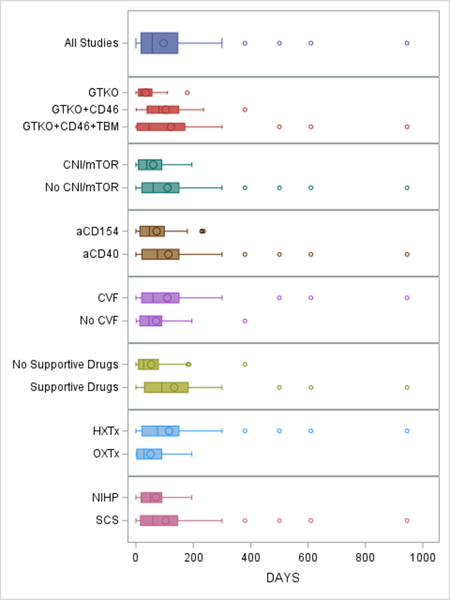
Due to a critical shortage of donor hearts, researchers are exploring cardiac xenotransplantation—transplanting animal hearts into humans—as a potential solution. This study synthesized nearly two decades of preclinical research to evaluate multiple factors affecting xenograft survival.
Read More...Mechanism and cytotoxicity of A1874 proteolysis targeting chimera on CT26 colon carcinoma cell line
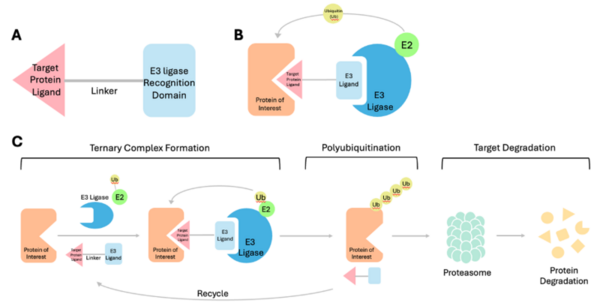
This study investigates the effects of the PROTAC compound A1874 on CT26 colon carcinoma cells, focusing on its ability to degrade the protein BRD4 and reduce cell viability. While A1874 had previously shown effectiveness in other colon cancer cell lines, its impact on CT26 cells was unknown.
Read More...Validating DTAPs with large language models: A novel approach to drug repurposing

Here, the authors investigated the integration of large language models (LLMs) with drug target affinity predictors (DTAPs) to improve drug repurposing, demonstrating a significant increase in prediction accuracy, particularly with GPT-4, for psychotropic drugs and the sigma-1 receptor. This novel approach offers to potentially accelerate and reduce the cost of drug discovery by efficiently identifying new therapeutic uses for existing drugs.
Read More...A Novel Alzheimer's Disease Therapeutic Model: Attenuating Hyperphosphorylated Tau and Amyloid β (Aβ) Aggregates by Characterizing Antioxidative, Anti-Inflammatory, and Neuroprotective Properties of Natural Extracts
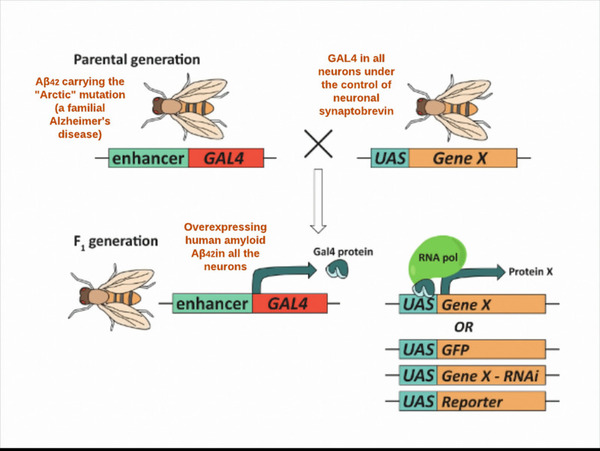
Oxidative damage and neuro-inflammation were the key pathways implicated in the pathogenesis of Alzheimer’s disease. In this study, 30 natural extracts from plant roots and leaves with extensive anti-inflammatory and anti-oxidative properties were consumed by Drosophila melanogaster. Several assays were performed to evaluate the efficacy of these combinational extracts on delaying the progression of Alzheimer’s disease. The experimental group showed increased motor activity, improved associative memory, and decreased lifespan decline relative to the control group.
Read More...Computational analysis and drug repositioning: Targeting the TDP-43 RRM using FDA-approved drugs
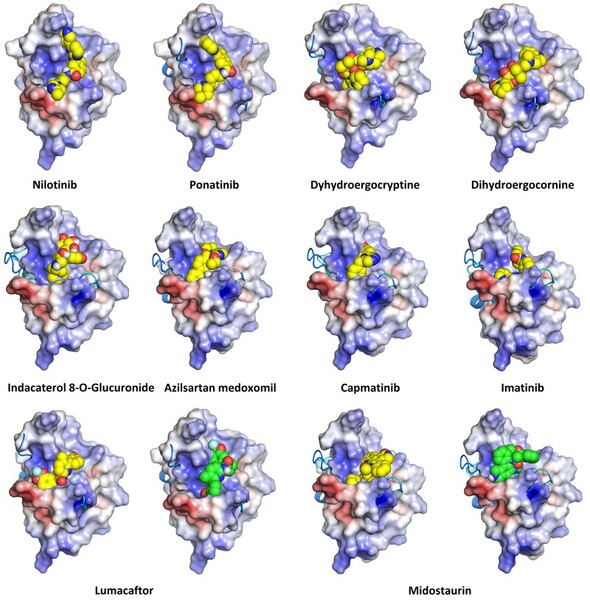
Molecules which bind to proteins that aggregate abnormally in neurodegenerative diseases could be promising drugs for these diseases. In this study, Zhang, Wu, Zhang, and Dang simulate the binding behavior of various molecules to screen for candidates which could be promising candidates for drug development.
Read More...Apoptosis induction and anti-inflammatory activity of polyherbal drug AS20 on cervical cancer cell lines
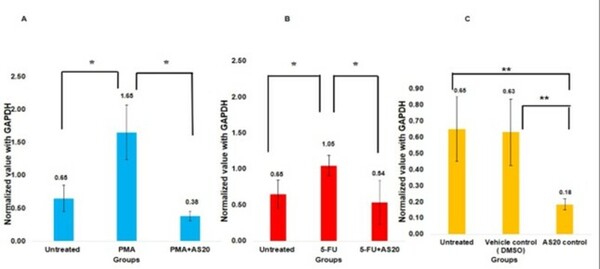
The authors found that treatment with AS20 suppressed phorbol 12-myristate 13-acetate (PMA) and 5-flurouracil (5-FU) induction of COX2 expression. We also observed AS20 treated cells showed DNA fragmentation in HeLa cells.
Read More...Assessing CDK5 as a Nanomotor for Chemotactic Drug Delivery
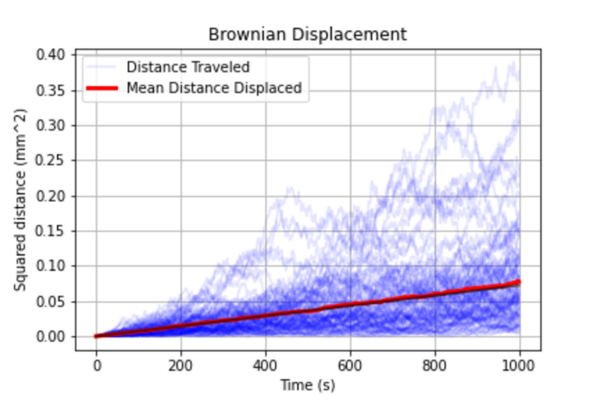
Enzyme chemotaxis is a thermodynamic phenomenon in which enzymes move along a substrate concentration gradient towards regions with higher substrate concentrations and can be used to steer nanovehicles towards targets along natural substrate concentrations. In patients with Alzheimer’s disease, a gradient of tau protein forms in the bloodstream. Tau protein is a substrate of the enzyme CDK5, which catalyzes the phosphorylation of tau protein and can travel using chemotaxis along tau protein gradients to increasing concentrations of tau and amyloid-beta proteins. The authors hypothesized that CDK5 would be able to overcome these barriers of Brownian motion and developed a quantitative model using Michaelis-Menten kinetics to define the necessary parameters to confirm and characterize CDK5’s chemotactic behavior to establish its utility in drug delivery and other applications.
Read More...Higher pH level increases the efficacy of calcium phosphate-mediated intracellular delivery
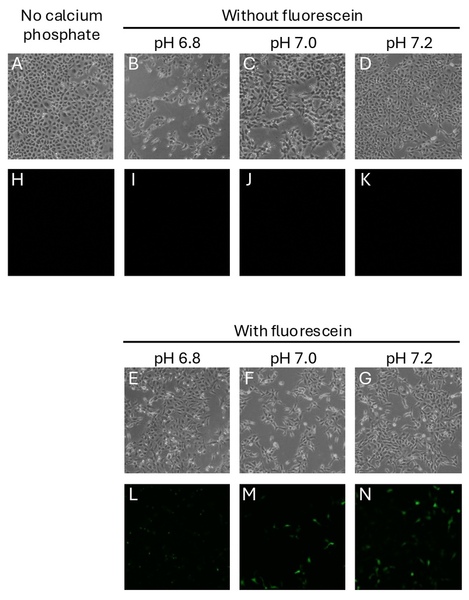
This study investigated the impact of pH on the efficiency of calcium phosphate, used as a drug delivery agent.
Read More...In silico screening of DEAB analogues as ALDH1 isoenzymes inhibitors in cancer treatment
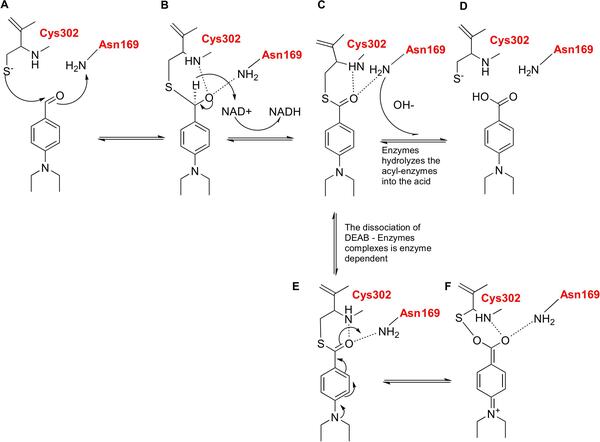
The authors computationally screened potential ALDH1 inhibitors, for use as potential cancer therapeutics.
Read More...