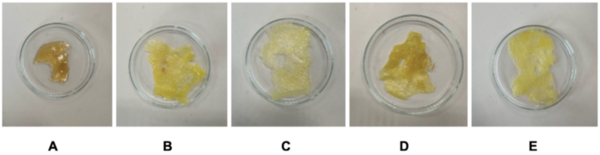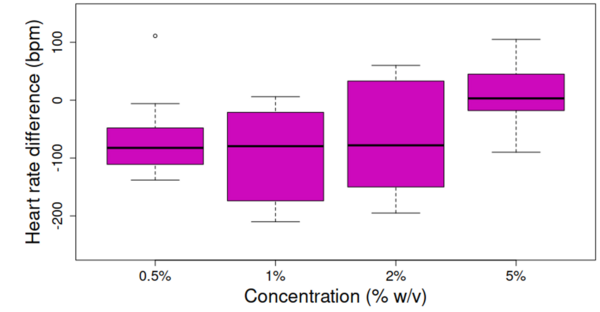
The authors test the effects of common food industry preservatives on the heart rate of the freshwater crustacean Daphnia magna.
Read More...The effect of common food preservatives on the heart rate of Daphnia magna
The authors test the effects of common food industry preservatives on the heart rate of the freshwater crustacean Daphnia magna.
Read More...An explainable model for content moderation
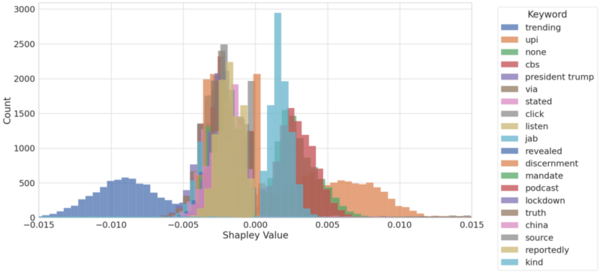
The authors looked at the ability of machine learning algorithms to interpret language given their increasing use in moderating content on social media. Using an explainable model they were able to achieve 81% accuracy in detecting fake vs. real news based on language of posts alone.
Read More...Digestion products of bread and cheese cause addictive behavior in a planaria model
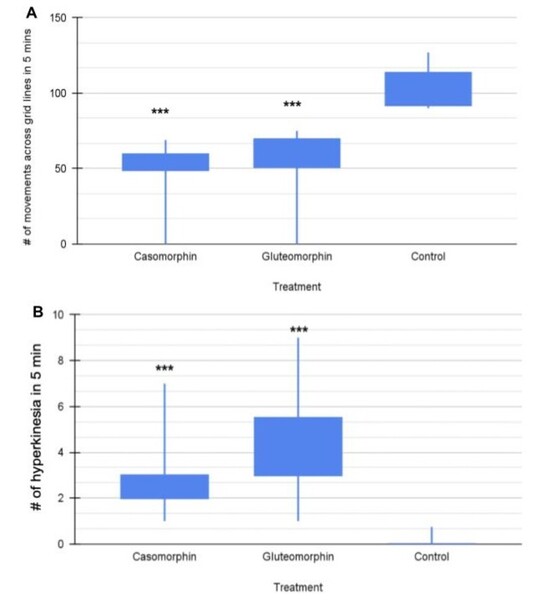
The authors looked at two peptides, gluteomorphin and casomorphin, that are present after the digestion of bread and cheese. As these peptides can bind opioid receptors the authors want to know if they could be addictive in the same way as conventional opioids (i.e., morphine) are known to be. Their results in a planaria model suggest that both of these peptides are addictive.
Read More...A comparison of starches and plasticizers for biopolymer synthesis and degradation
Effect of environment factors on the expression of soluble PDE8A1 in E. coli
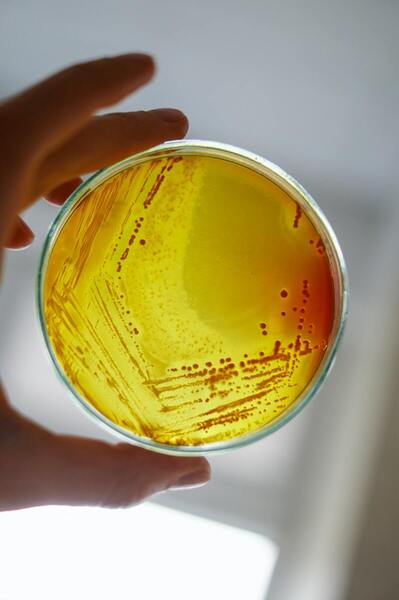
PDE8, a type of phosphodiesterase (PDE), is proven to be crucial in various cellular activities and physiological activities by influencing second messenger systems. It is involved in a wide range of diseases, including Alzheimer’s disease and various heart diseases. However, there is limited information about PDE8 selective inhibitors. This work aimed to improve the solubility and yield of PDE8 in the supernatant by exploring suitable culture conditions, including temperatures and different additives.
Read More...The effect of wild orange essential oil on ascorbic acid decay in freshly squeezed orange juice
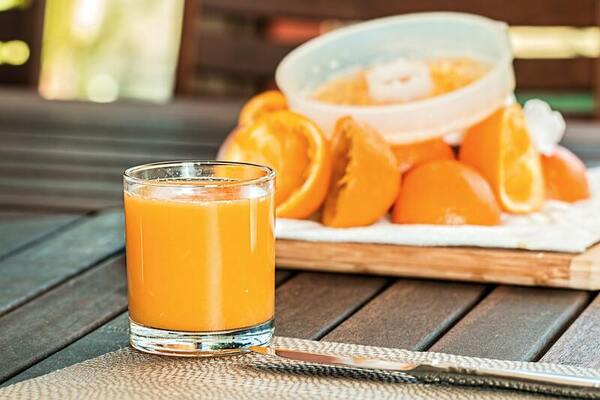
The goal of this project was to see if the addition of wild orange essential oil to freshly squeezed orange juice would help to slow down the decay of ascorbic acid when exposed to various temperatures, allowing vital nutrients to be maintained and providing a natural alternative to the chemical additives in use in industry today. The authors hypothesized that the addition of wild orange essential oil to freshly squeezed orange juice would slow down the rate of oxidation when exposed to various temperatures, reducing ascorbic acid decay. On average, wild orange EO slowed down ascorbic acid decay in freshly squeezed orange juice by 15% at the three highest temperatures tested.
Read More...TNF signaling pathway upregulation as a potential pharmaceutical target for cocaine-addicted individuals

In this article, the authors investigate the RNA expression differences between groups of chronic cocaine abusers and drug-free subjects.
Read More...Utilizing a Wastewater-Based Medium for Engineered Saccharomyces cerevisiae for the Biological Production of Fatty Alcohols and Carboxylic Acids to Replace Petrochemicals
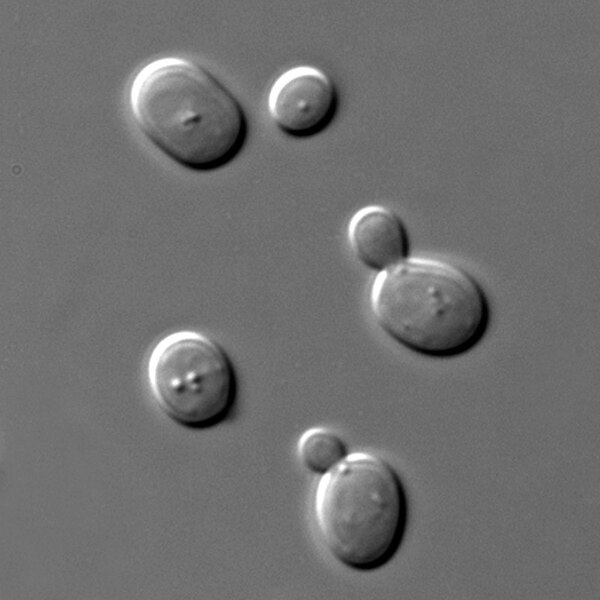
Saccharomyces cerevisiae yeast is used to produce bioethanol, an alternative to fossil fuels. In this study, authors take advantage of this well studied yeast by genetically engineering them to increase fatty acid biosynthesis and culturing in a cost-effective wastewater based medium; potentially providing a sustainable alternative to petrochemicals.
Read More...How planarians are affected by mouthwash and cough syrup

Since cough syrup and mouthwash are commonly used items and often end up flushed down the drain or toilet, they can eventually find their way into into freshwater waterways which can be harmful to many marine organisms, such as planarians (aquatic flatworms). To investigate the effects of these substances on planarians, the authors considered different concentrations of Listerine mouthwash and Robitussin syrup along with their active ingredients. By using a behavioral assay, they identified that the active ingredients of cough syrup detrimentally affect planarian behavior. They suggest that these findings could be used to guide disposal methods to lessen detrimental effects on aquatic life.
Read More...The Effects of Confinement on the Associative Learning of Gallus gallus domesticus
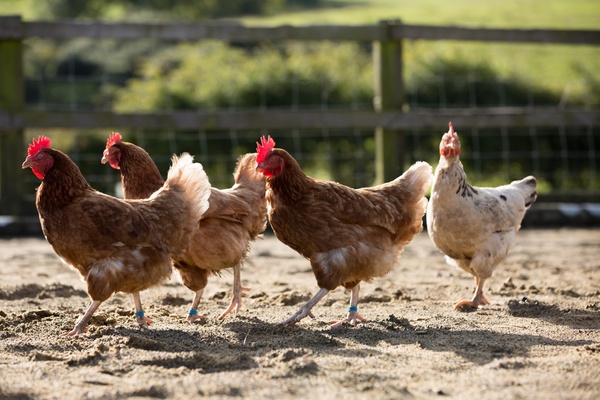
This study aimed to determine if confinement affects associative learning in chickens. The research found that the difference in time lapsed before chickens began to consume cottage cheese before and after confinement was significant. These results suggest that confinement distresses chickens, as it impairs associative learning without inducing confusion.
Read More...