Browse Articles

Legacy mercury, reservoir dynamics, and dredging effects on methylmercury in San Francisco Bay

Silver et al. | Aug 24, 2026

Legacy mercury, reservoir dynamics, and dredging effects on methylmercury in San Francisco Bay

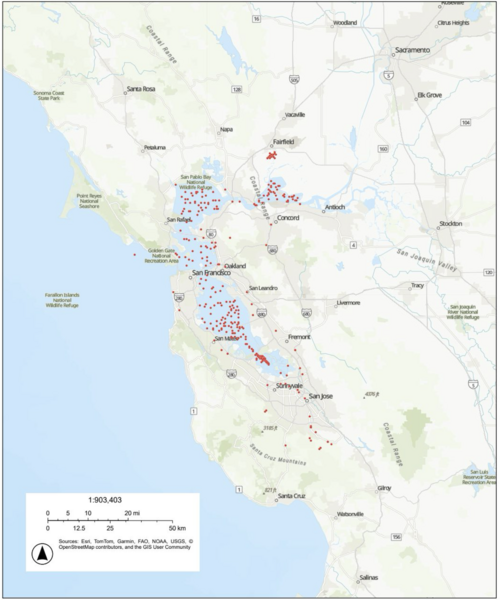
This study analyzes over two decades of monitoring data (1999-2022) to investigate how legacy mining, reservoir water releases, and dredging activities influence toxic methylmercury (MeHg) levels in San Francisco Bay. The findings reveal a significant delayed correlation between river flow and San Francisco Bay MeHg, and counter to the authors' hypothesis, a strong association between increased MeHg concentrations in the bay and both total annual dredging volume and beneficial sediment reuse / upland sediment disposal.

Read More...

Rethinking the electric vehicle tax policy: prioritizing affordable solutions for environmental impact

Miao et al. | Jan 26, 2026

Rethinking the electric vehicle tax policy: prioritizing affordable solutions for environmental impact

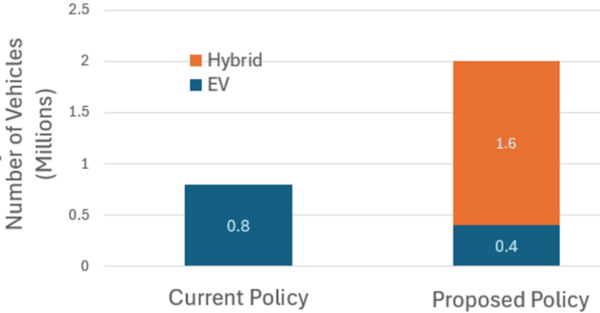
Car emissions harm both the environment and human health, and current U.S. EV tax credits mainly benefit high-income households because EVs are expensive. This study evaluates U.S. vehicle emissions policies by analyzing 2022 national vehicle data to compare the fuel economy and greenhouse gas impacts of the current EV tax credit with a proposed policy that incentivizes hybrid vehicle purchases.

Read More...

Evaluating the performance of Q-learning-based AI in auctions

Liu et al. | Nov 09, 2025

Evaluating the performance of Q-learning-based AI in auctions
Image credit: Liu and Liu

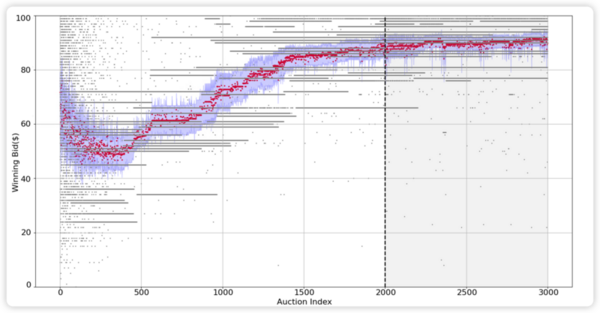
Advertising platforms like Google Ads use AI to drive the algorithms used to maximize advertisers benefits. This study shows that AI does not adjust it strategy based on auction type and highlights the limitations of AI running without explicit guidance.

Read More...

Quantifying natural recovery of dopamine deficits induced by chronic stress

Josyula et al. | Oct 27, 2025

Quantifying natural recovery of dopamine deficits induced by chronic stress
Image credit: Shawn Day

Here the authors investigated the natural recovery of stress-induced dopamine-related gene deficits in C. elegans by measuring the expression of cat-2 (dopamine biosynthesis) and sod-2 (oxidative stress) following exposure to starvation or hydrocortisone. They found that the reversibility of sod-2 and the expression of cat-2 were highly dependent on the type and severity of the stressor, suggesting that the body's natural ability to recover from dopamine dysfunction has biological limitations.

Read More...