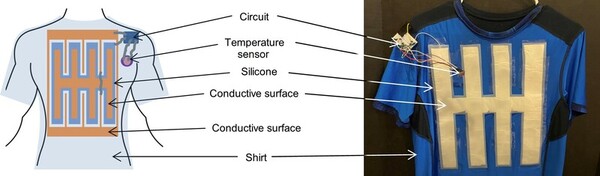
The authors designed a system that runs off of body heat to track body temperature that could help prevent injuries that result from elevated body temperature.
Read More...Developing a wearable, skin-based triboelectric nanogenerator
The authors designed a system that runs off of body heat to track body temperature that could help prevent injuries that result from elevated body temperature.
Read More...Novel environmentally friendly approach to wastewater treatment eliminates aluminum sulfate and chlorination

The authors tested environmentally-friendly alternatives to wastewater treatment chemicals, including activated charcoal for filtration and citrus peels for preventing bacterial growth.
Read More...Cell cytotoxicity and pro-apoptosis on MCF-7 cells using polyherbal formulation, MAT20
.jpeg)
The purpose of this study was to test the anti-cancer properties and pro-apoptotic effects of the polyherbal formulation MAT20 as a complementary treatment. Moringa oleifera (Moringa), Phyllanthus emblica (Amla) and Ocimum sanctum (Tulsi), these 3 herbs were used to formulate MAT20, which contain phytochemicals that are known to display anti-cancer properties. In this study, we hypothesized that MCF-7 breast cancer cells treated with MAT20 would show increased cytotoxicity compared to its individual plant extracts.
Read More...Tap water quality analysis in Ulaanbaatar City

There have been several issues concerning the water quality in Ulaanbaatar, Mongolia in the past few years. This study, we collected 28 samples from 6 districts of Ulaanbaatar to check if the water supply quality met the standards of the World Health Organization, the Environmental Protection Agency, and a Mongolian National Standard. Only three samples fully met all the requirements of the global standards. Samples in Zaisan showed higher hardness (>120 ppm) and alkalinity levels (20–200 ppm) over the other districts in the city. Overall, the results show that it is important to ensure a safe and accessible water supply in Ulaanbaatar to prevent future water quality issues.
Read More...Cocktail therapy to inhibit multispecies biofilm in cystic fibrosis patients
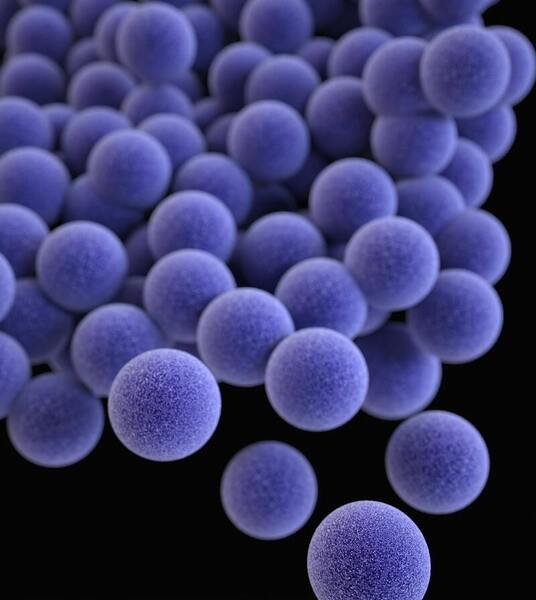
Here, recognizing the important role of bacterial biofilms in many life-threatening chronic infections, the authors investigated the effectiveness of a combination treatment on biofilms composed of up to three different common species within the lungs of cystic fibrosis patients with computational analysis. They found that a triple cocktail therapy targeting three different signaling pathways has significant potential as both a treatment and prophylaxis.
Read More...Determining the best convolutional neural network for identifying tuberculosis and pneumonia in chest x-rays
.png)
To best identify tuberculosis and pneumonia diagnoses in chest x-rays, the authors compare different deep learning convolution neural networks.
Read More...Zinc-related Treatments Combined with Chloroquine and Gemcitabine for Treating Pancreatic Cancer

Pancreatic cancer is one of the deadliest cancers, with a 10% 5-year survival rate. The authors studied various dosages of TPEN and zinc in combination with Chloroquine and Gemcitabine as treatments to reduce cell proliferation. Results showed that when combined with Chloroquine and Gemcitabine, zinc and TPEN both significantly lowered cell proliferation compared to Gemcitabine, suggesting a synergistic effect that resulted in a more cytotoxic treatment. Further research and clinical trials on this topic are needed to determine whether this could be a viable treatment for pancreatic cancer.
Read More...Awareness of plastic pollution and adoption of green consumer lifestyles among students from high school

In this study, the authors test ways to increase knowledge of green consumerism amongst high school students. Their knowledge was measured based on the New Ecological Paradigm Scale.
Read More...Design and in silico screening of analogs of rilpivirine as novel non-nucleoside reverse transcriptase inhibitors (NNRTIs) for antiretroviral therapy
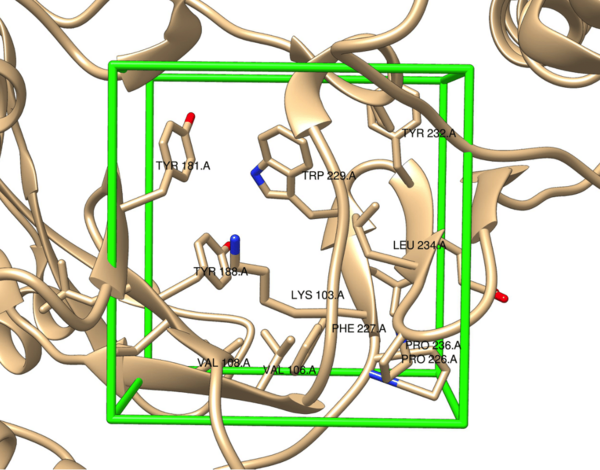
In this study, the authors use high-throughput virtual screening to design and evaluate a set of non-nucleoside reverse transcriptase inhibitors for binding affinity to the protein reverse transcriptase. These studies have important applications toward HIV therapies.
Read More...Computational Structure-Activity Relationship (SAR) of Berberine Analogs in Double-Stranded and G-Quadruplex DNA Binding Reveals Both Position and Target Dependence
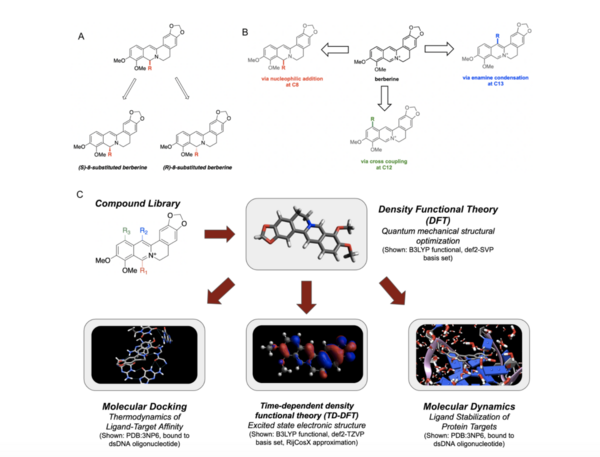
Berberine, a natural product alkaloid, and its analogs have a wide range of medicinal properties, including antibacterial and anticancer effects. Here, the authors explored a library of alkyl or aryl berberine analogs to probe binding to double-stranded and G-quadruplex DNA. They determined that the nature of the substituent, the position of the substituent, and the nucleic acid target affect the free energy of binding of berberine analogs to DNA and G-quadruplex DNA, however berberine analogs did not result in net stabilization of G-quadruplex DNA.
Read More...