This study strongly illustrates that optimizing 3D printing parameters would enhance a triboelectric nanogenerator's performance. The design improvements substantiate the potential of optimized, 3D-printed TENGs for developing scalable, cost-effective solutions for powering low-energy electronics, particularly in applications such as structural health monitoring.
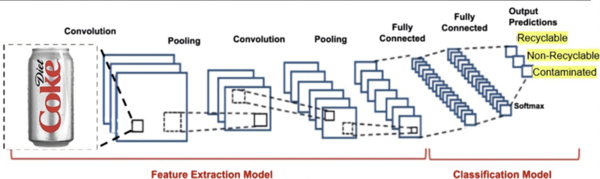
The authors looked at the ability of a convolutional neural network (CNN) to sort contaminated recycling, with varying levels of contamination. They found as contamination levels increased, the CNN faced more difficulty correctly classifying items.
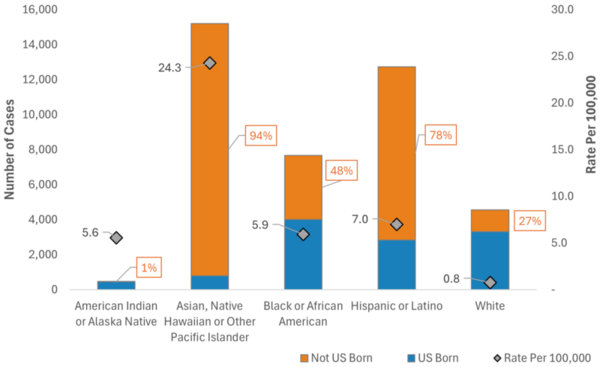
The main goal of this study is to determine what demographics are related to tuberculosis incidence in the United States populations, particularly if changing demographics are related to differences in tuberculosis risk over two discrete time periods. The major finding is that in the two studied time periods, tuberculosis risk factors were somewhat consistent and may be influenced by things such as immigration, healthcare access, and race or ethnicity, although the top predictor did change.
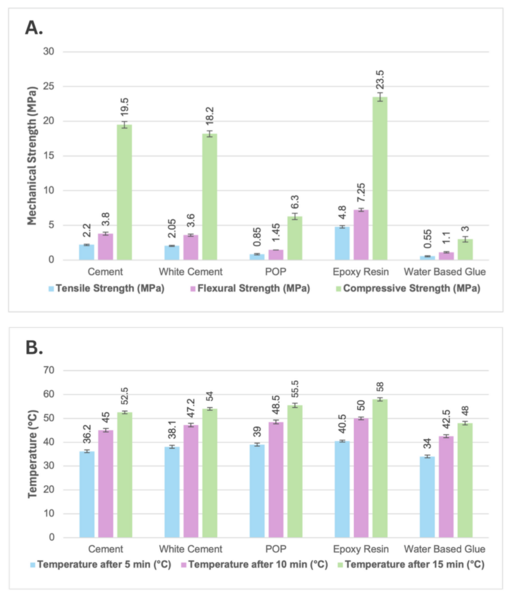
Textile waste from the fashion industry is a major environmental pollutant, but recycling waste into novel building material is a strategy to reduce the negative effects. This manuscript characterized five different binders that can be used to repurpose textile waste into bricks for construction purposes. Water-based glue, cement, white cement, plaster of Paris, and epoxy resin were mixed with shredded textile waste, and the mechanical characteristics and thermal insulation of each brick type were measured. Bricks with increased mechanical strength had the poorest thermal resistance, and the contrasting properties would suit different building purposes. This work provides a first step in generating recycled textile bricks for construction in a circular economy framework.
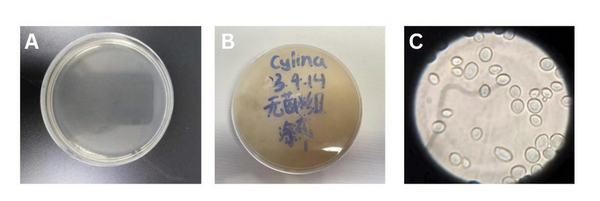
Crohn’s disease is a chronic inflammatory bowel condition with symptoms like abdominal pain, fatigue, diarrhea, and malnutrition. Though there's no cure, various treatments help manage it. This study explored the potential impact of Massa Medicata Fermentata (MMF), a fermented Chinese herbal medicine containing Saccharomyces cerevisiae, on Crohn’s disease.
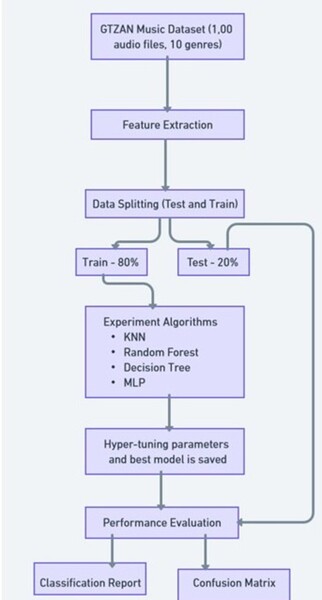
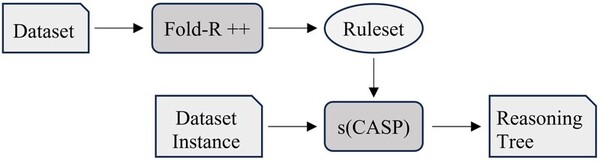
The authors compare current machine learning algorithms with a new Explainable AI algorithm that produces a human-comprehensible decision tree alongside predictions.

.png)