The purpose of the study was to determine whether graph-based machine learning techniques, which have increased prevalence in the last few years, can accurately classify data into one of many clusters, while requiring less labeled training data and parameter tuning as opposed to traditional machine learning algorithms. The results determined that the accuracy of graph-based and traditional classification algorithms depends directly upon the number of features of each dataset, the number of classes in each dataset, and the amount of labeled training data used.
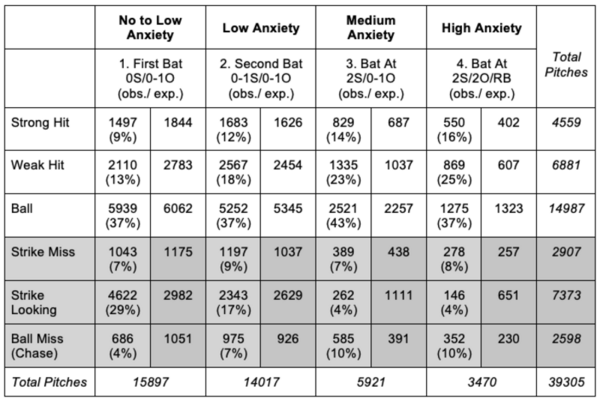
This study examined whether findings from laboratory studies of baseball cognition also apply during real games. Using 2024 MLB data from 30 players, researchers analyzed batting performance under different levels of feedback and anxiety.
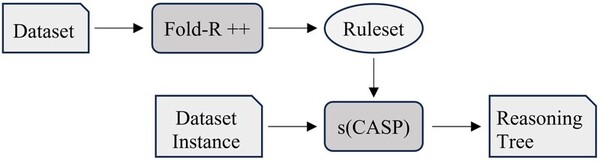
The authors compare current machine learning algorithms with a new Explainable AI algorithm that produces a human-comprehensible decision tree alongside predictions.
Reinforcement learning (RL) is a form of machine learning that can be harnessed to develop artificial intelligence by exposing the intelligence to multiple generations of data. The study demonstrates how reply buffer reward mechanics can inform the creation of new pruning methods to improve RL efficiency.
In this study, a deep learning model is used to classify post-traumatic stress disorder patients through novel markers to assist in finding candidate biomarkers for the disorder.
Autism spectrum disorder (ASD) is hard to correctly diagnose due to the very subjective nature of diagnosing it: behavior analysis. Due to this issue, we sought to find a machine learning-based method that diagnoses ASD without behavior analysis or helps reduce misdiagnosis.
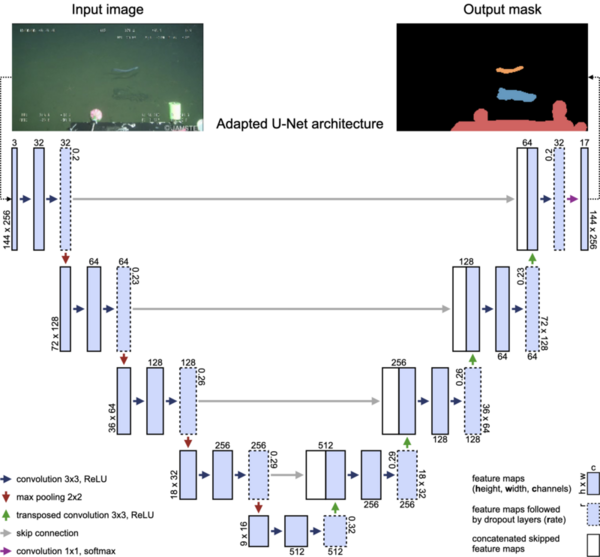
Plastic pollution in the ocean is a major global concern. Remotely Operated Vehicles (ROVs) have promise for removing debris from the ocean, but more research is needed to achieve full effectiveness of the ROV technology. Wahlig and Gonzales tackle this issue by developing a deep learning model to distinguish trash from the environment in ROV images.
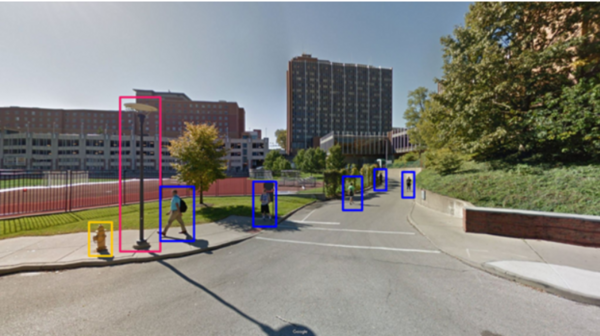
Every year, around 40% of undergraduate students in the United States discontinue their studies, resulting in a loss of valuable education for students and a loss of money for colleges. Even so, colleges across the nation struggle to discover the underlying causes of these high dropout rates. In this paper, the authors discuss the use of machine learning to find correlations between the built environment factors and the retention rates of colleges. They hypothesized that one way for colleges to improve their retention rates could be to improve the physical characteristics of their campus to be more pleasing. The authors used image classification techniques to look at images of colleges and correlate certain features like colors, cars, and people to higher or lower retention rates. With three possible options of high, medium, and low retention rates, the probability that their models reached the right conclusion if they simply chose randomly was 33%. After finding that this 33%, or 0.33 mark, always fell outside of the 99% confidence intervals built around their models’ accuracies, the authors concluded that their machine learning techniques can be used to find correlations between certain environmental factors and retention rates.

.png)