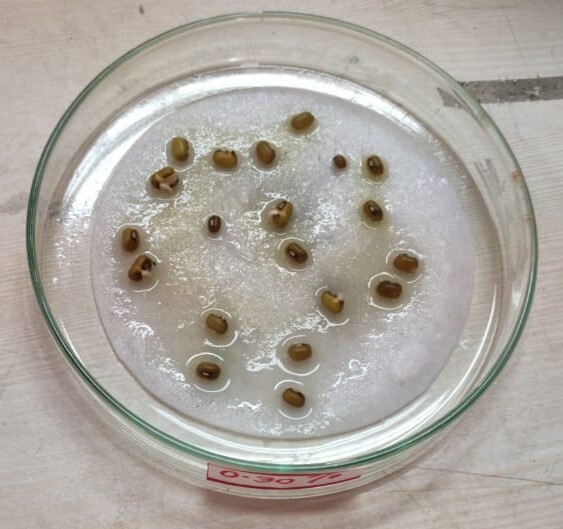
PVC is a widely used plastic that poses harmful health hazards when burned. In this study, the authors ask whether or not burned PVC (PVC char) affects bacterial transformation.
Read More...An Aqueous Solution Containing Soluble Substances From PVC Char Has No Effect on the Rate of Transformation in E. coli Cells
PVC is a widely used plastic that poses harmful health hazards when burned. In this study, the authors ask whether or not burned PVC (PVC char) affects bacterial transformation.
Read More...The Effect of Common Cations on DNA Degradation
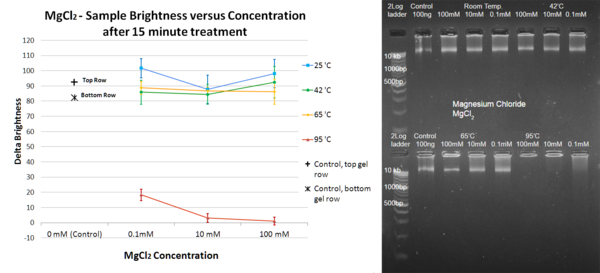
Heating of DNA-containing solutions is a part of many experiment protocols, but it can also cause damage and degradation of the DNA molecules, potentially leading to error in the experimental results. The authors of this paper investigate whether the presence of certain cations during heating can stabilize the DNA polymer and aid the preservation of the molecule.
Read More...The Emergence of Tetracycline Resistance in Rumen Bacteria
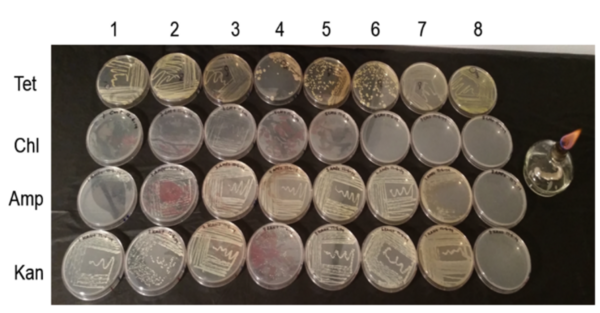
The emergence of antibiotic-resistant pathogenic bacteria is a major concern for human health, rendering some antibiotics ineffective in treating diseases. The authors of this study tested the hypothesis that exposing rumen bacteria to tetracycline will gradually lead to the development of tetracycline-resistant bacteria, some of which will develop multidrug resistance.
Read More...What’s in a Name? Do Labels Influence People’s Liking for Cookies?
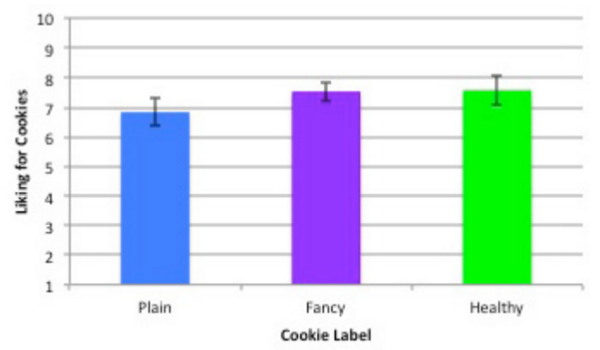
Previous studies have found that how a food item is labeled may influence people's liking of it. This study used a cookie taste test to investigate whether people's liking of a dessert item would be swayed by the use of different labels.
Read More...Diamagnetic Solutions Show a Significant Reduction in Flow Rate When Exposed to a Magnetic Field Greater Than or Equal to 0.7 Tesla
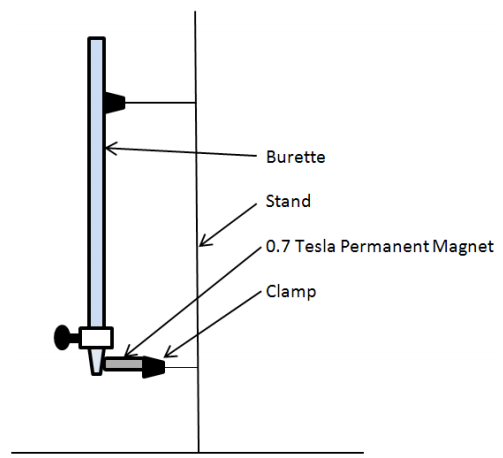
There are complex interactions between water and outside forces such as magnetic fields. This study aims to examine the effects of magnetic forces on the flow rate of water. The alteration of flow rate by magnets could have exciting applications in many fields.
Read More...The Effects of Micro-Algae Characteristics on the Bioremediation Rate of Deepwater Horizon Crude Oil
Environmental disasters such as the Deepwater Horizon oil spill can be devastating to ecosystems for long periods of time. Safer, cheaper, and more effective methods of oil clean-up are needed to clean up oil spills in the future. Here, the authors investigate the ability of natural ocean algae to process crude oil into less toxic chemicals. They identify Coccochloris elabens as a particularly promising algae for future bioremediation efforts.
Read More...Integration of iron oxide nanoparticles into high-density polyethylene for sustainable cup coatings
Here the authors propose integrating magnetic iron (II) oxide nanoparticles into the high-density polyethylene linings of disposable paper cups to create a waterproof, magnetically responsive composite liner. Their findings demonstrate that these nanoparticles successfully bond with the plastic layer without disrupting its structural integrity, offering a viable method to improve plastic recovery through magnetic recycling and mitigate global microplastic pollution.
Read More...In silico design of novel acetylcholinesterase inhibitors as potential therapeutics for Alzheimer's disease
Elevated acetylcholinesterase (AChE) activity contributes to cognitive decline and neurodegenerative diseases such as Alzheimer’s, motivating the search for more effective inhibitors with better bioavailability. This study used computational methods to design novel, non-toxic AChE inhibitors.
Read More...Synthesis of sodium alginate composite bioplastic films
The authors looked at the development of biodegradable bioplastic and its features compared to PET packaging films. They were able to develop a biodegradable plastic with sodium alginate that dissolved in water and degrade in microbial conditions while also being transparent and flexible similar to current plastic films.
Read More...Quantifying coliform bacteria in ground beef to evaluate food safety guidelines
The authors looked at the presence of coliform bacteria present in ground beef after cooking it various CDC standards. They found that no coliform bacteria was present when CDC guidelines for cooking ground beef were properly followed.
Read More...