This paper discusses how the conditions at the center of stars affects the nuclear reactions that happen inside these stars. We focused on the effect of temperature and density and found that these two properties interacted to create a greater effect when combined than when separate.
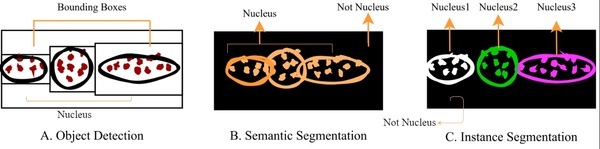
Cell segmentation is the task of identifying cell nuclei instances in fluorescence microscopy images. The goal of this paper is to benchmark the performance of representative deep learning techniques for cell nuclei segmentation using standard datasets and common evaluation criteria. This research establishes an important baseline for cell nuclei segmentation, enabling researchers to continually refine and deploy neural models for real-world clinical applications.
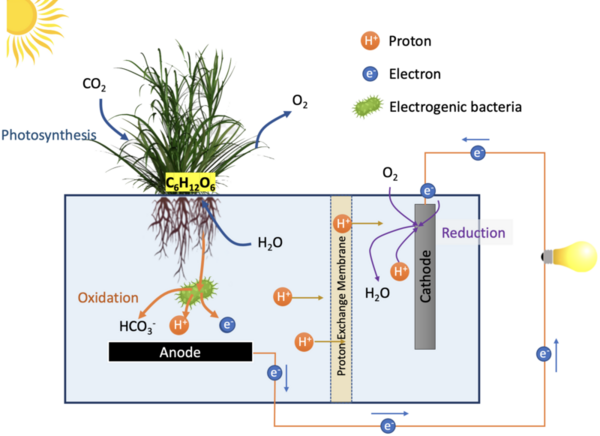
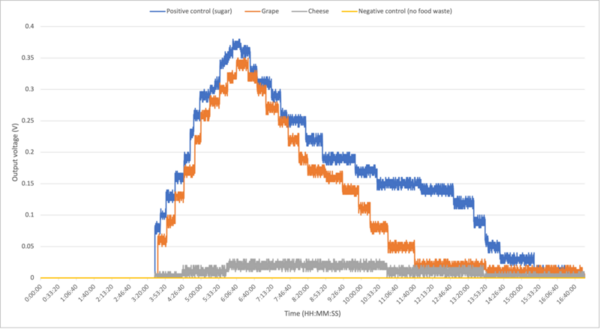
The authors looked at the ability of Shewanella oneidensis to generate energy in a microbial fuel cell under varying conditions. They found that the S. Onedensis biofilm was able to produce energy in microgravity and that one of the biggest factors that limited energy production was a decrease in growth medium present.
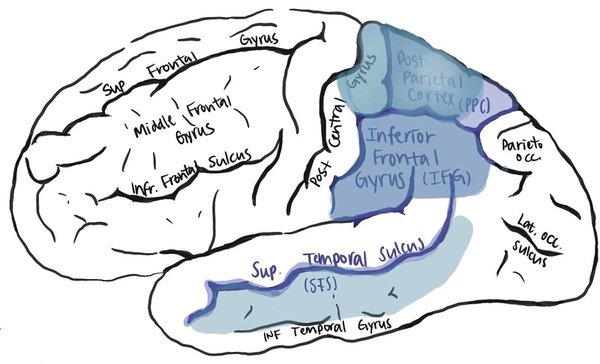
In this study, the authors use bioinformatic approaches to characterize the mirror neurons, which are active when performing and seeing certain actions. They also investigated whether mirror neuron impairment was connected to neural degenerative diseases and psychiatric disorders.
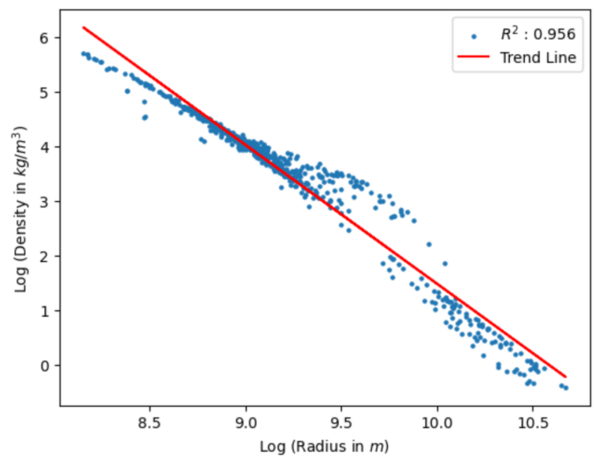
Building on previous work by earlier astronomers, the authors investigate the correlation between the density and size of celestial objects in the universe, including neutron stars, galaxies, and galaxy clusters.
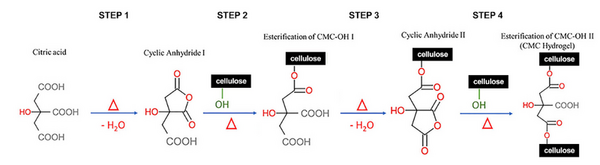
Hydrogels are commonly used in medicine, pharmaceuticals, and agriculture. Hydrogels absorb water by swelling and re-release this water by diffusion. This study sought to synthesize a biodegradable, cellulose-based hydrogel that is more effective at absorbing and re-releasing water than those produced by current methods. We tested the compressive strength of both the dry and swollen gels and the tensile strength of the swollen gels to elucidate the gel structure.
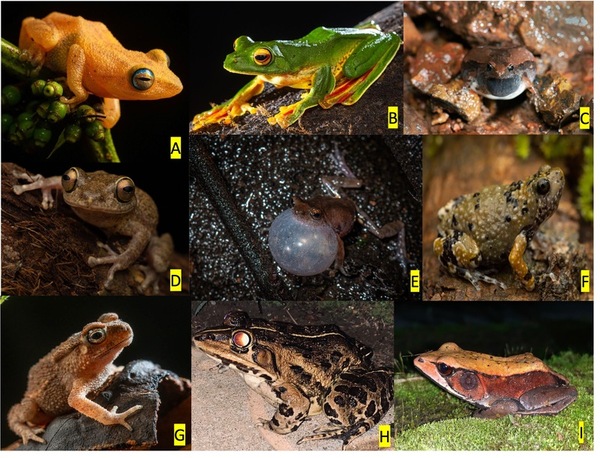
The mountain chain of the Western Ghats on the Indian peninsula, a UNESCO World Heritage site, is home to about 200 frog species, 89 of which are endemic. Distinctive to each frog species, their vocalizations can be used for species recognition. Manually surveying frogs at night during the rain in elephant and big cat forests is difficult, so being able to autonomously record ambient soundscapes and identify species is essential. An effective machine learning (ML) species classifier requires substantial training data from this area. The goal of this study was to assess data augmentation techniques on a dataset of frog vocalizations from this region, which has a minimal number of audio recordings per species. Consequently, enhancing an ML model’s performance with limited data is necessary. We analyzed the effects of four data augmentation techniques (Time Shifting, Noise Injection, Spectral Augmentation, and Test-Time Augmentation) individually and their combined effect on the frog vocalization data and the public environmental sounds dataset (ESC-50). The effect of combined data augmentation techniques improved the model's relative accuracy as the size of the dataset decreased. The combination of all four techniques improved the ML model’s classification accuracy on the frog calls dataset by 94%. This study established a data augmentation approach to maximize the classification accuracy with sparse data of frog call recordings, thereby creating a possibility to build a real-world automated field frog species identifier system. Such a system can significantly help in the conservation of frog species in this vital biodiversity hotspot.
.png)
.PNG)