Browse Articles

Utilizing a Wastewater-Based Medium for Engineered Saccharomyces cerevisiae for the Biological Production of Fatty Alcohols and Carboxylic Acids to Replace Petrochemicals

Ramesh et al. | Oct 02, 2019

Utilizing a Wastewater-Based Medium for Engineered <em>Saccharomyces cerevisiae</em> for the Biological Production of Fatty Alcohols and Carboxylic Acids to Replace Petrochemicals

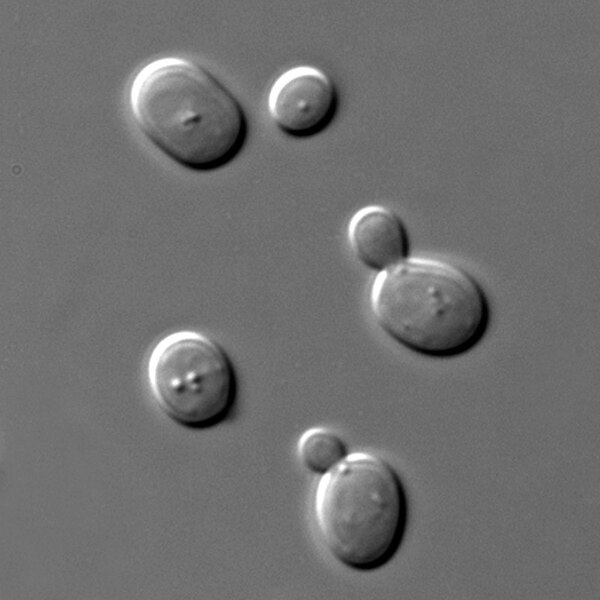
Saccharomyces cerevisiae yeast is used to produce bioethanol, an alternative to fossil fuels. In this study, authors take advantage of this well studied yeast by genetically engineering them to increase fatty acid biosynthesis and culturing in a cost-effective wastewater based medium; potentially providing a sustainable alternative to petrochemicals.

Read More...

FRUGGIE – A Board Game to Combat Obesity by Promoting Healthy Eating Habits in Young Children

Huprikar et al. | Jun 13, 2018

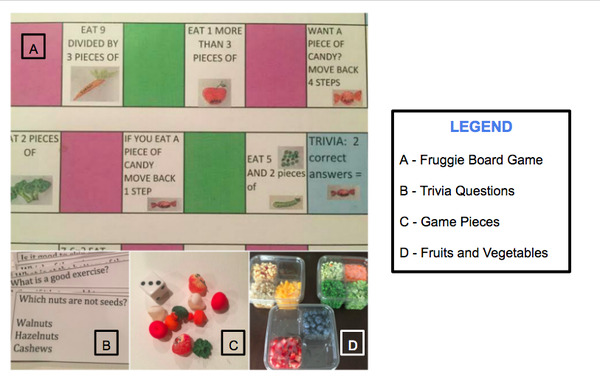
FRUGGIE – A Board Game to Combat Obesity by Promoting Healthy Eating Habits in Young Children

The authors created a board game to teach young children about healthy eating habits to see whether an interactive and family-oriented method would be effective at introducing and maintaining a love for fruits and veggies. Results showed that children developed a liking for fruits and vegetables, and none regressed. Half maintained their level of enjoyment for fruits and vegetables during the research period, while the other half had a positive increase. The results show that a simple interactive game can shape how young children relate to food and encourage them to maintain healthy habits.

Read More...

Tomato disease identification with shallow convolutional neural networks

Trinh et al. | Mar 03, 2023

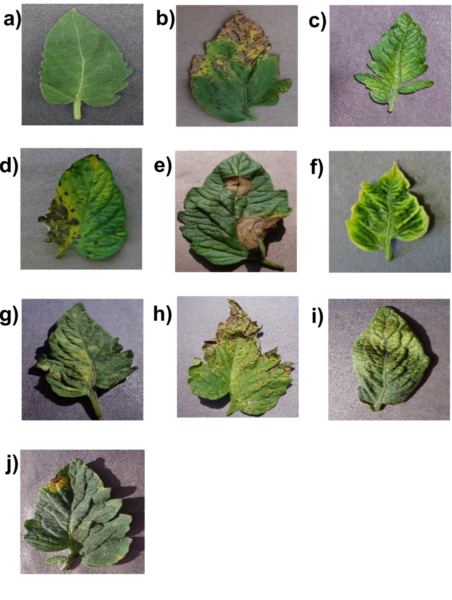
Tomato disease identification with shallow convolutional neural networks

Plant diseases can cause up to 50% crop yield loss for the popular tomato plant. A mobile device-based method to identify diseases from photos of symptomatic leaves via computer vision can be more effective due to its convenience and accessibility. To enable a practical mobile solution, a “shallow” convolutional neural networks (CNNs) with few layers, and thus low computational requirement but with high accuracy similar to the deep CNNs is needed. In this work, we explored if such a model was possible.

Read More...

Rhythmic lyrics translation: Customizing a pre-trained language model using stacked fine-tuning

Chong et al. | May 01, 2023

Rhythmic lyrics translation: Customizing a pre-trained language model using stacked fine-tuning
Image credit: Pixabay

Neural machine translation (NMT) is a software that uses neural network techniques to translate text from one language to another. However, one of the most famous NMT models—Google Translate—failed to give an accurate English translation of a famous Korean nursery rhyme, "Airplane" (비행기). The authors fine-tuned a pre-trained model first with a dataset from the lyrics domain, and then with a smaller dataset containing the rhythmical properties, to teach the model to translate rhythmically accurate lyrics. This stacked fine-tuning method resulted in an NMT model that could maintain the rhythmical characteristics of lyrics during translation while single fine-tuned models failed to do so.

Read More...

An efficient approach to automated geometry diagram parsing

Date et al. | Oct 02, 2022

An efficient approach to automated geometry diagram parsing

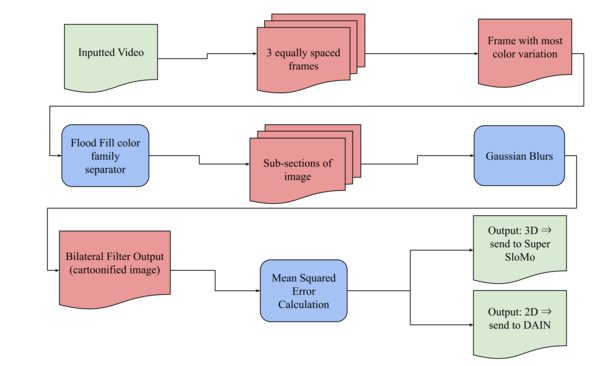
Here, beginning from an initial interest in the possibility to use a computer to automatically solve a geometry diagram parser, the authors developed their own Fast Geometry Diagram Parser (FastGDP) that uses clustering and corner information. They compared their own methods to a more widely available, method, GeoSolver, finding their own to be an order of magnitude faster in most cases that they considered.

Read More...

Leveraging transfer learning with convolutional neural networks for cardiovascular disease detection

Chen et al. | May 25, 2026

Leveraging transfer learning with convolutional neural networks for cardiovascular disease detection
Image credit: Stephen Andrews

This study shows the efficacy of leveraging transfer learning, specifically from residual networks, to detect CVDs and possible signs of CVDs. The findings indicate that leveraging transfer learning from residual networks alongside medical professionals is a highly promising approach for CVD detection and diagnosis, warranting further investigation.

Read More...