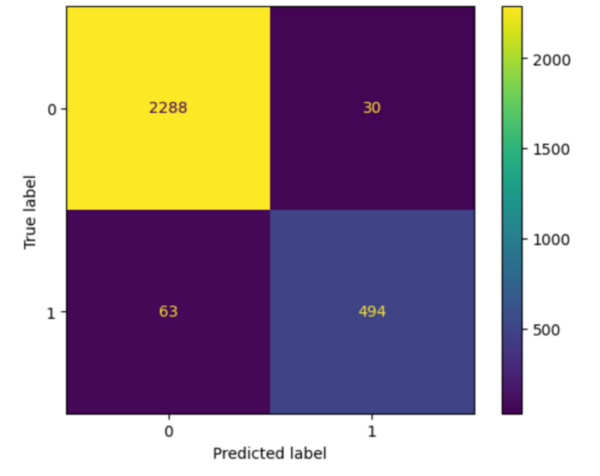
The authors use machine learning and electroencephalogram data to propose a method for improving epilepsy diagnosis.
Read More...Epileptic seizure detection using machine learning on electroencephalogram data
The authors use machine learning and electroencephalogram data to propose a method for improving epilepsy diagnosis.
Read More...The impact of culturally informed music therapy on visually impaired youth: A Jaffna, Sri Lanka study

The authors looked at the effect of music therapy on visually impaired youth. They found that culturally relevant curricula is an important consideration while also showing that broadly music therapy enhances working memory, emotional well-being and inhibitory control.
Read More...Percentages are a better format for conveying medical risk than frequencies
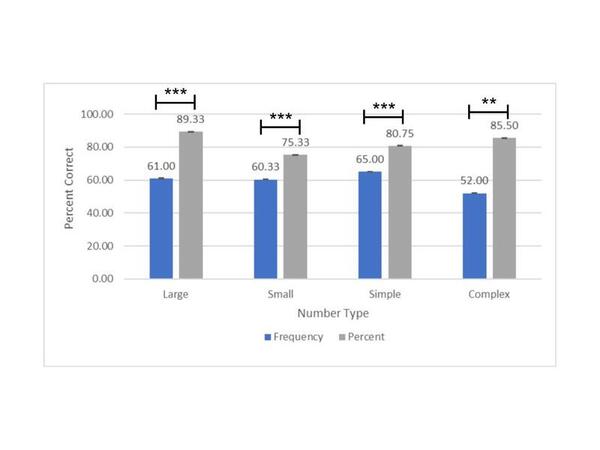
It can be challenging for the general public to understand data on medical risk. Weseley-Jones and Mordechai tackle this issue by conducting a survey to assess people's skill and comfort with understanding medical risk information in percentage and frequency formats.
Read More...Solubility of graphite and the efficacy of using its dissolved form as a conductive paste
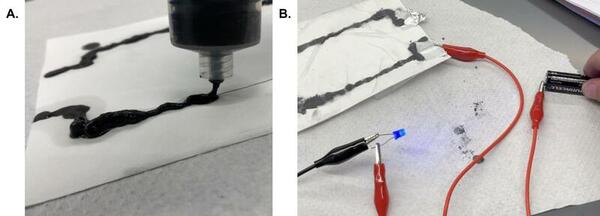
This study explored the use of graphite's conductivity for circuit boards by creating a conductive paste through exfoliation with organic solvents and sonication. The combination of acetone and sonication was found to be the most effective, producing a high-conductivity paste with desirable properties such as a low boiling point. While not a replacement for wires, this conductive paste has potential applications in electronics and infrastructure, provided that key engineering challenges are addressed.
Read More...Impacts of the gut microbiota on arginine synthesis
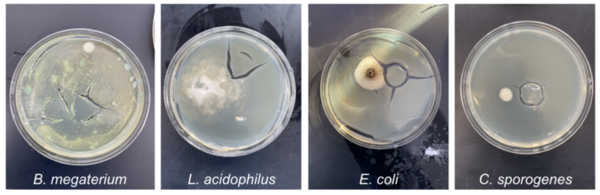
In this article the authors looked at arginine synthesis across different bacteria commonly found in different regional diets. They found that B. megaterium and C. sporogenes both caused a higher pH to occur on their agar plates compared to other bacteria tested indicating a greater amount of arginine synthesis.
Read More...SmartZoo: A Deep Learning Framework for an IoT Platform in Animal Care
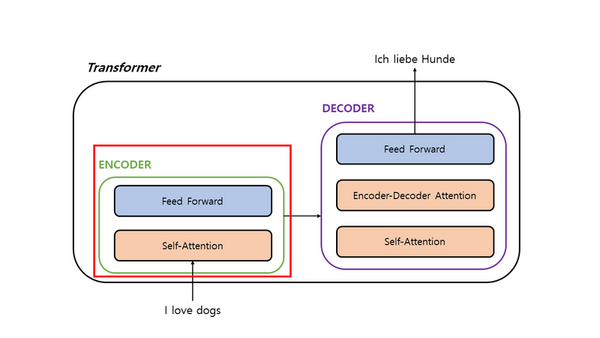
Zoos offer educational and scientific advantages but face high maintenance costs and challenges in animal care due to diverse species' habits. Challenges include tracking animals, detecting illnesses, and creating suitable habitats. We developed a deep learning framework called SmartZoo to address these issues and enable efficient animal monitoring, condition alerts, and data aggregation. We discovered that the data generated by our model is closer to real data than random data, and we were able to demonstrate that the model excels at generating data that resembles real-world data.
Read More...Cardiovascular Disease Prediction Using Supervised Ensemble Machine Learning and Shapley Values
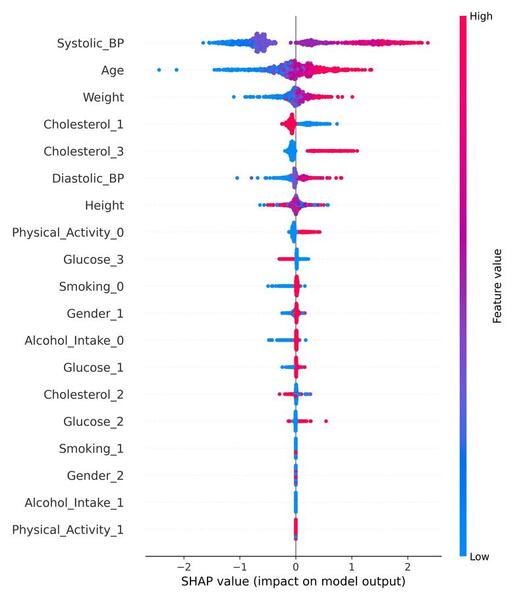
The authors test the effectiveness of machine learning to predict onset of cardiovascular disease.
Read More...Identification of potential therapeutic targets for multiple myeloma by gene expression analysis
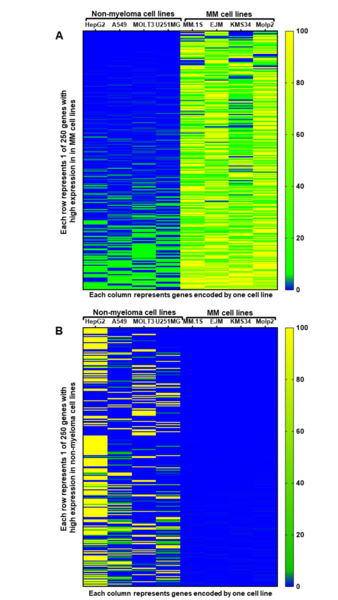
A central challenge of cancer therapy is identifying treatments that will effectively target cancer cells while minimizing effects on healthy cells. To identify potential targets for treating a multiple myeloma, a frequently incurable cancer, Kochenderfer and Kochenderfer analyze RNA sequencing data from the Cancer Cell Line Encyclopedia to find genes with high expression in multiple myeloma cells and low expression in normal tissues
Read More...Prediction of diabetes using supervised classification
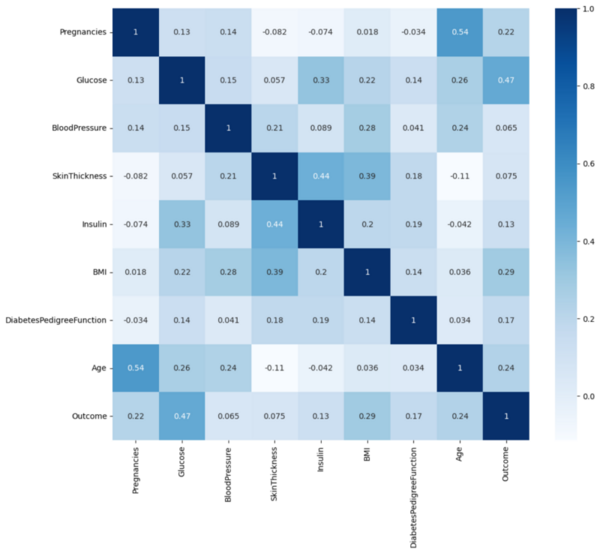
The authors develop and test a machine learning algorithm for predicting diabetes diagnoses.
Read More...A machine learning approach to detect renal calculi by studying the physical characteristics of urine
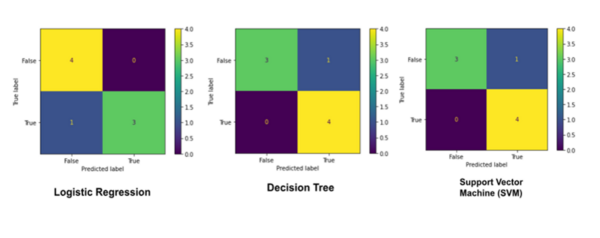
The authors trained a machine learning model to detect kidney stones based on characteristics of urine. This method would allow for detection of kidney stones prior to the onset of noticeable symptoms by the patient.
Read More...