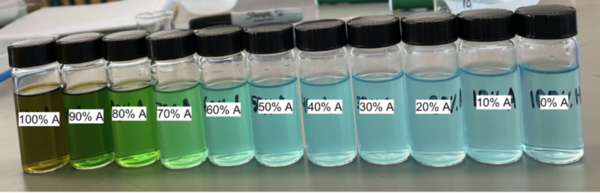
In this study, the authors investigate the effects of acetone on the color of copper chloride (CuCl2) solution, which has important implications for detecting copper in the environment.
Read More...A colorimetric investigation of copper(II) solutions
In this study, the authors investigate the effects of acetone on the color of copper chloride (CuCl2) solution, which has important implications for detecting copper in the environment.
Read More...A Phylogenetic Study of Conifers Describes Their Evolutionary Relationships and Reveals Potential Explanations for Current Distribution Patterns
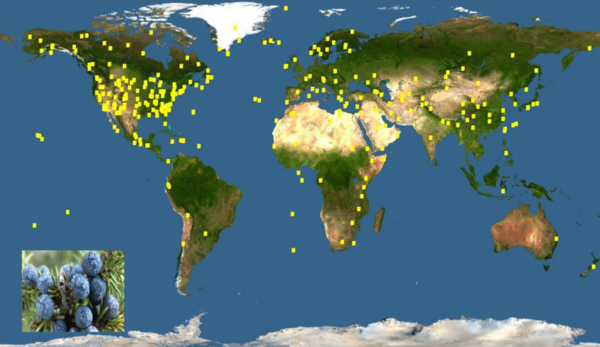
Many species of trees are distributed widely around the world, though not always in a way that makes immediate sense. The authors here use genetic information to help explain the geographic distribution of various conifer species throughout the world.
Read More...The Effect of Font Type on a School’s Ink Cost

Your choice of font can impact more than style. Here the authors demonstrate that font choice can affect the amount of ink a given print-out requires. The authors estimate that a switch to Garamond font, size 12, by all teachers in his school district would save almost $21,000 annually.
Read More...Evaluating the antimicrobial activity of maitake mushroom extract against Staphylococcus epidermidis
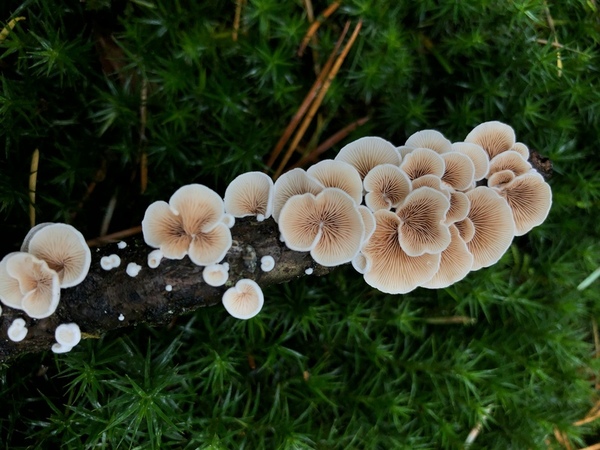
Here, seeking to explore new antimicrobial therapies, the authors investigated the antimicrobial activity of Maitake mushroom extract against Staphylococcus epidermidis, a common cause of antibiotic resistant hospital-acquired infections. They found that Maitake extract showed potent antimicrobial activity, with higher concentrations showing inhibition comparable to tetracycline.
Read More...A chemical and overwintering honey bee apiary field study comparing new and expired amitraz miticide
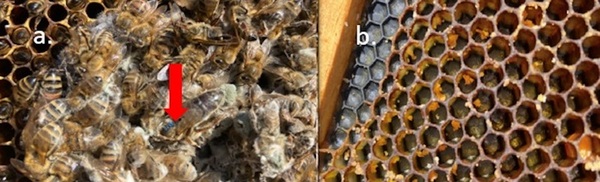
In this study, the authors test the longevity of a anti-mite compound, amitraz, in commercially-sold strips and the age-dependent efficacy of these strips in preventing honey bee colony collapse by ectoparasitic mite Varroa destructor.
Read More...Copper nanoparticle synthesis using Picea glauca ‘Conica’
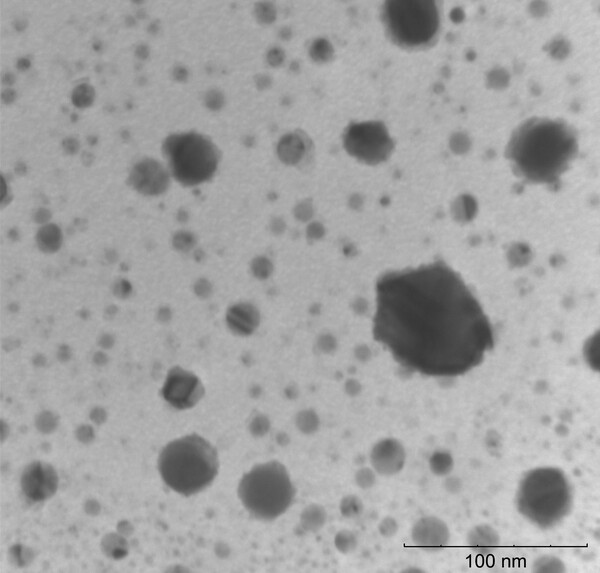
The authors propose a method to recycle Christmas tree needles into a non-toxic reducing agent for synthesizing copper nanoparticles.
Read More...The development of FeO(OH) nanoparticles to extract synthetic motor oil from freshwater
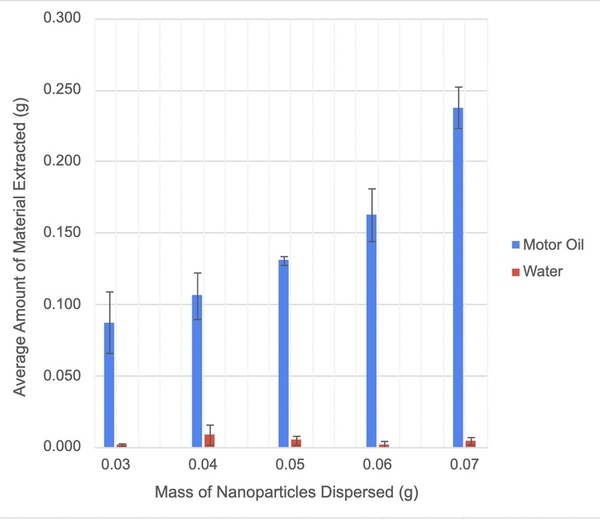
This study aimed to combat widespread hydrocarbon residue persistently polluting global water sources by developing and testing the ability of modified iron(III) oxide-hydroxide (FeO(OH)) nanoparticles to remove small amounts of motor oil from freshwater
Read More...Comparative study on three machine learning models in novel autonomous drone-based detection of invasive plant Brassica nigra
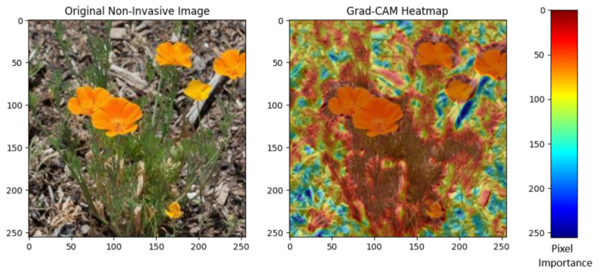
Autonomous drone imaging combined with machine learning offers a promising approach for early detection of invasive species. In this study, students built an autonomous drone and compared three models: CNN, SGDC, and XGBoost, to identify Brassica nigra from aerial footage. Their results show that CNNs most effectively recognize key visual features, demonstrating strong potential for supporting conservation and invasive plant management.
Read More...Earthworms as soil quality indicators: A case study of Crissy Field and Bayview Hunters Point naval shipyard
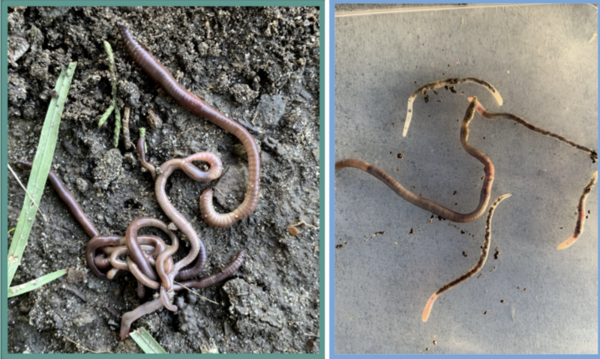
The authors looked at soil quality of former military sites where chemical disposal was known to have occurred. Along with testing for heavy metals, the authors also looked for the presence (and number) of earthworms present in topsoil samples as a marker of soil health.
Read More...Utilizing sorbitol to improve properties of cellulose-based biodegradable hydrogels
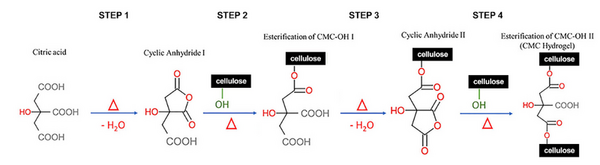
Hydrogels are commonly used in medicine, pharmaceuticals, and agriculture. Hydrogels absorb water by swelling and re-release this water by diffusion. This study sought to synthesize a biodegradable, cellulose-based hydrogel that is more effective at absorbing and re-releasing water than those produced by current methods. We tested the compressive strength of both the dry and swollen gels and the tensile strength of the swollen gels to elucidate the gel structure.
Read More...