Browse Articles

The role of xpa-1 and him-1 in UV protection of Caenorhabditis elegans

Tung et al. | Feb 25, 2022

The role of <em>xpa-1</em> and <em>him-1</em> in UV protection of <em>Caenorhabditis elegans</em>

Caenorhabditis elegans xpa-1 and him-1 are orthologs of human XPA and human SMC1A, respectively. Mutations in the XPA are correlated with Xeroderma pigmentosum, a condition that induces hypersensitivity to ultraviolet (UV) radiation. Alternatively, SMC1A mutations may lead to Cornelia de Lange Syndrome, a multi-organ disorder that makes patients more sensitive to UVinduced DNA damage. Both C. elegans genes have been found to be involved in protection against UV radiation, but their combined effects have not been tested when they are both knocked down. The authors hypothesized that because these genes are involved in separate pathways, the simultaneous knockdown of both of these genes using RNA interference (RNAi) in C. elegans will cause them to become more sensitive to UV radiation than either of them knocked down individually. UV protection was measured via the percent survival of C. elegans post 365 nm and 5.4x10⁻¹⁹ joules of UV radiation. The double xpa-1/him-1 RNAi knockdown showed a significantly reduced percent survival after 15 and 30 minutes of UV radiation relative to wild-type and xpa-1 and him-1 single knockdowns. These measurements were consistent with their hypothesis and demonstrated that xpa-1 and him-1 genes play distinct roles in resistance against UV stress in C. elegans. This result raises the possibility that the xpa-1/him-1 double knockdown could be useful as an animal model for studying the human disease Xeroderma pigmentosum and Cornelia de Lange Syndrome.

Read More...
Testing HCN1 channel dysregulation in the prefrontal cortex using a novel piezoelectric silk neuromodulator

Mathew et al. | May 05, 2021

Testing HCN1 channel dysregulation in the prefrontal cortex using a novel piezoelectric silk neuromodulator

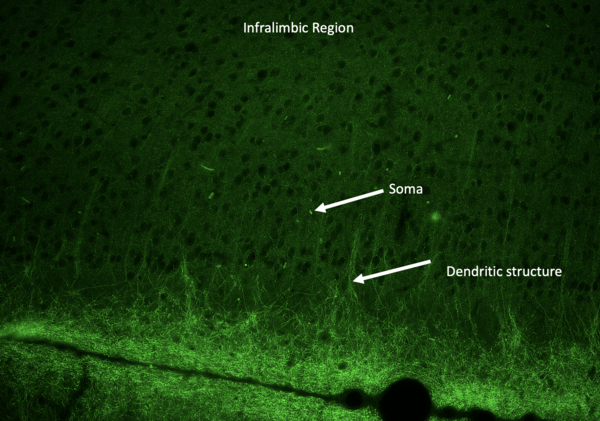
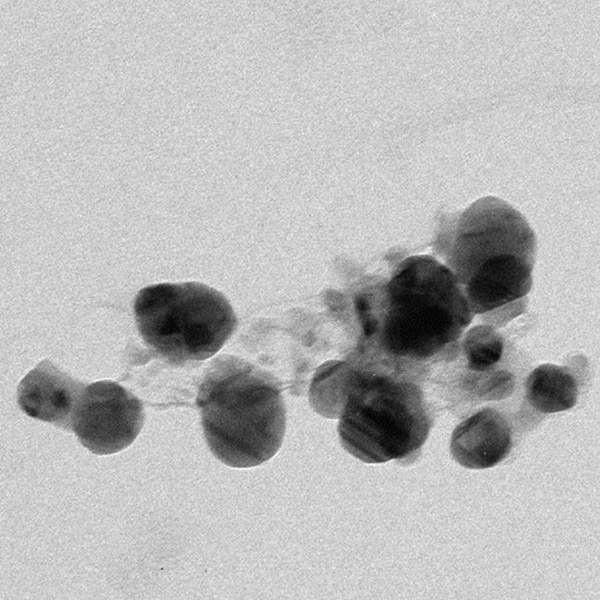
Although no comprehensive characterization of schizophrenia exists, there is a general consensus that patients have electrical dysfunction in the prefrontal cortex. The authors designed a novel piezoelectric silk-based implant and optimized electrical output through the addition of conductive materials zinc oxide (ZnO) and aluminum nitride (AlN). With further research and compatibility studies, this implant could rectify electrical misfiring in the infralimbic prefrontal cortex.

Read More...

Understanding the impossibility of machine learning fairness with data examples

Pillutla et al. | Sep 04, 2026

Understanding the impossibility of machine learning fairness with data examples

Machine learning systems are often expected to make fair decisions, yet the most widely used fairness criteria—independence, separation, and sufficiency—cannot generally be satisfied at the same time. In this study, students tested these criteria using a logistic regression model on a real-world student performance dataset and found that each criterion was met only at different prediction thresholds, with no threshold satisfying all three simultaneously. These results illustrate the inherent trade-offs in algorithmic fairness and highlight why achieving perfectly fair machine learning models is often impossible in practice.

Read More...

Mitigating skin color bias in dermatology AI using CycleGAN-based data augmentation

Kannan et al. | Jun 24, 2026

Mitigating skin color bias in dermatology AI using CycleGAN-based data augmentation
Image credit: Kannan and Ramasamy

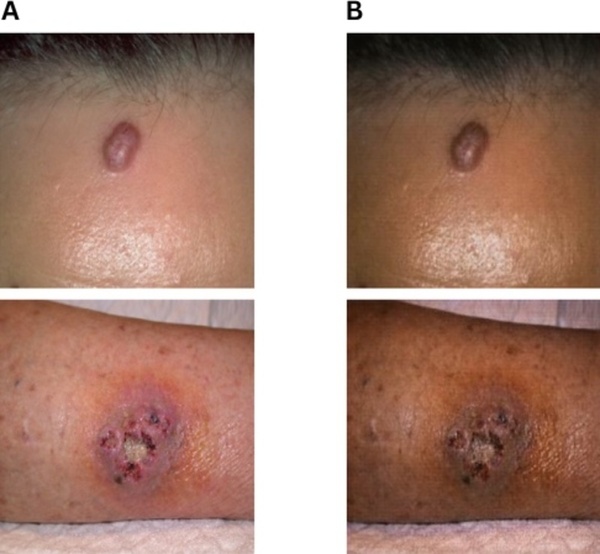
This study investigates skin tone bias in artificial intelligence models used for dermatological disease classification and evaluates a CycleGAN-based data augmentation approach to improve diagnostic performance on darker skin types. We generated synthetic dark-skinned images to enhance dataset diversity and compared model performance before and after augmentation. The results demonstrate that augmentation with synthetic dermatological images can help reduce disparities in diagnostic performance across skin tones, highlighting a practical strategy for improving fairness in dermatology AI systems.

Read More...

Economic performance of solar energy systems financed with green bonds in New Jersey

Peng et al. | Jan 22, 2025

Economic performance of solar energy systems financed with green bonds in New Jersey
Image credit: Peng and Peng 2025

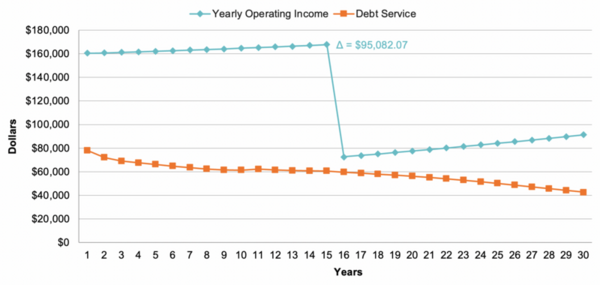
Global reliance on extractive energy sources has many downsides, among which are inconsistent supply and consequent price volatility that distress companies and consumers. It is unclear if renewable energy offers stable and affordable solutions to extractive energy sources. The cost of solar energy generation has decreased sharply in recent years, prompting a surge of installations with a range of financing options. Even so, most existing options require upfront payment, making installation inaccessible for towns with limited financial resources. The primary objective of our research is to examine the use of green bonds to finance solar energy systems, as they eliminate the need for upfront capital and enable repayment through revenue generated over time. We hypothesized that if we modeled the usage of green bonds to finance the installation of a solar energy system in New Jersey, then the revenue generated over the system’s lifetime would be enough to repay the bond. After modeling the financial performance of a proposed solar energy-producing carport in Madison, New Jersey, financed with green bonds, we found that revenue from solar energy systems successfully covered the annual green bond payments and enabled the installers to obtain over 50% of the income for themselves. Our research demonstrated green bonds as a promising option for New Jersey towns with limited financial resources seeking to install solar energy systems, thereby breaking down a financial barrier.

Read More...

Country-level relationship of OTC medicine consumption and frequency of GP consultation

Hirai et al. | Dec 09, 2024

Country-level relationship of OTC medicine consumption and frequency of GP consultation

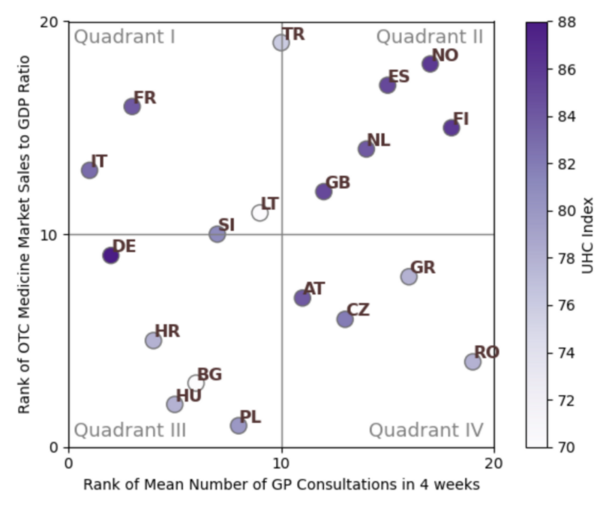
The discussion surrounding self-medication with non-prescription medicines has gained significance in healthcare and public health, particularly given the global increase in consumption of non-prescription drugs. This study aimed to examine the association between the frequency of general practitioner (GP) consultations and the proportion of economic resources spent on OTC medicine.

Read More...