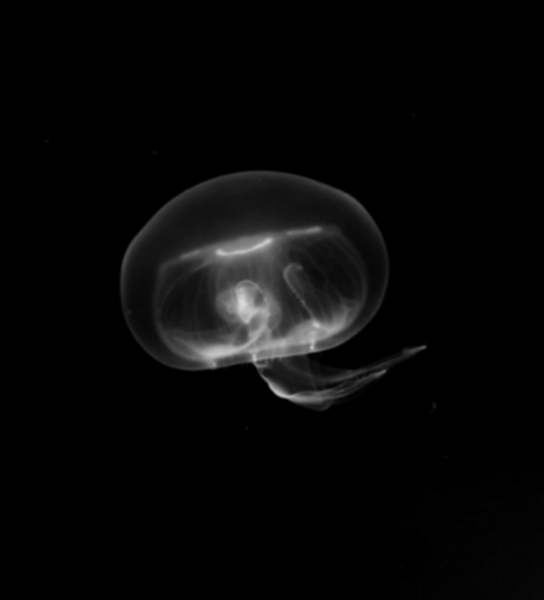
The authors studied the chemoreception of moon jellyfish in response to food, and developed an AI tool to identify track and quantify the pulsation of swimming jellyfish.
Read More...Chemoreception in Aurelia aurita studied by AI-enhanced image analysis
The authors studied the chemoreception of moon jellyfish in response to food, and developed an AI tool to identify track and quantify the pulsation of swimming jellyfish.
Read More...Trust in the use of artificial intelligence technology for treatment planning
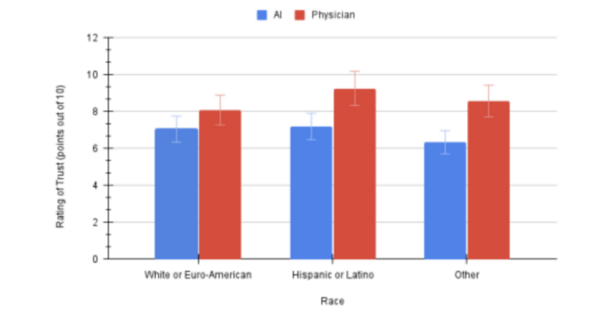
As AI becomes more integrated into healthcare, public trust in AI-developed treatment plans remains a concern, especially for emotionally charged health decisions. In a study of 81 community college students, AI-created treatment plans received lower trust ratings compared to physician-developed plans, supporting the hypothesis. The study found no significant differences in AI trust levels across demographic factors, suggesting overall skepticism toward AI-driven healthcare.
Read More...Examination of the underlying chemical physics of the Mpemba effect in water and other liquids

Counterintuitive in nature, the Mpemba effect asserts that hot liquid freezes faster than cold liquid. While noted throughout history by scientific minds like Aristotle, the phenomenon remains in contention with varying hypotheses for the effect proposed alongside the effect’s rise in popularity. Contributing to the research efforts surrounding the Mpemba effect, the authors in this article explore the effect in different liquids ranging in physical properties and intermolecular forces to determine potential parameters attributable to producing the Mpemba effect.
Read More...Differences in the effect of copper sulfate on the mortality rate of Ostracod and Daphnia
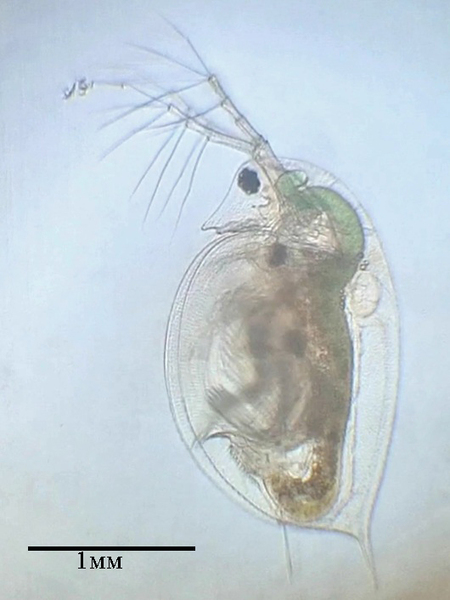
Chemical pollution can have significant effects on freshwater organisms. In this study, the effect of copper sulfate on the survival of Daphnia pulex and Ostracoda was investigated.
Read More...Changes in Aromanian language use and the Aromanian ethnolinguistic group’s reaction to decline

The Aromanian language and culture is quickly declining towards extinction. In this new research article, Ganea and Lascu provide evidence that, although the use of the Aromanian language is less prevalent among younger individuals, participants overwhelming support the preservation of Aromanian language and culture.
Read More...Variations in Heat Absorption and Release of Earth Surfaces During Fall in Laramie, Wyoming

Here the authors investigate the contributions of man-made surfaces in Laramie, Wyoming to the Urban Heat Island (UHI) effect. Heat absorption and release by five surfaces were measured in the autumn of 2018. By recording temperatures of man-made and natural surfaces at early morning, mid-afternoon, and evening using an infrared thermometer, the authors determined that man-made surfaces retained more heat in fall than natural surfaces.
Read More...Differences in Reliability and Predictability of Harvested Energy from Battery-less Intermittently Powered Systems

Solar and radio frequency harvesters serve as a viable alternative energy source to batteries in many cases where the battery cannot be easily replaced. Using specifically designed circuit models, the authors quantify the reliability of different harvested energy sources to identify the most practical and efficient forms of renewable energy.
Read More...Understanding the Relationship Between Perception and Reality Related to Public Safety: A Case Study of Public Opinion on Local Law Enforcement in Andover, MA

A small town with low crime rates and relatively high education levels usually gives the perception of a safe and comfortable community. This study explored the connection between this perception, as defined by public opinion, and reality, as defined by US Census and FBI crime data.
Read More...Combating Insulin Resistance Using Medicinal Plants as a Supplementary Therapy to Metformin in 3T3-L1 Adipocytes: Improving Early Intervention-Based Diabetes Treatment
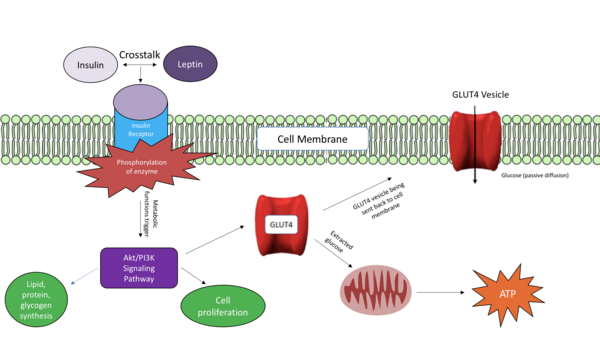
A primary cause of diabetes is insulin resistance, which is caused by disruption of insulin signal transduction. The objective of this study was to maximize insulin sensitivity by creating a more effective, early intervention-based treatment to avert severe T2D. This treatment combined metformin, “the insulin sensitizer”, and medicinal plants, curcumin, fenugreek, and nettle.
Read More...Don’t Waste the Medical Waste: Reducing Improperly Classified Hazardous Waste in a Medical Facility
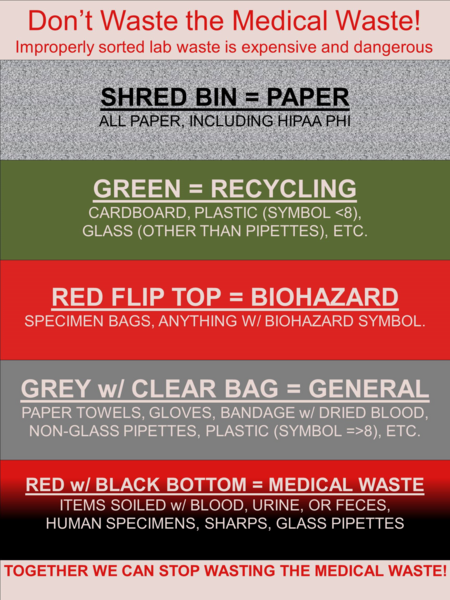
Hemani et al. tackled the problem of rampant hospital waste by implementing staff training to help inform hospital workers about proper waste disposal. The authors observed a significant increase in proper waste disposal after the training, showing that simple strategies, such as in-person classroom training and posters, can have a profound effect on limiting improper waste handling.
Read More...