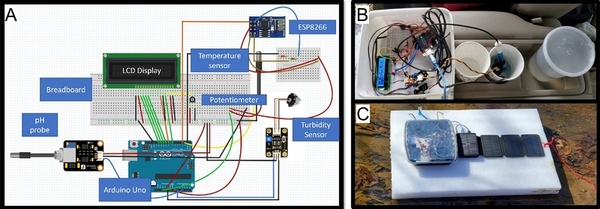
The authors monitored water quality over time looking for influences from construction and deforestation.
Read More...A low-cost, Arduino-based system for real-time abiotic monitoring of a local watershed
The authors monitored water quality over time looking for influences from construction and deforestation.
Read More...Evaluating the effectiveness of machine learning models for detecting AI-generated art
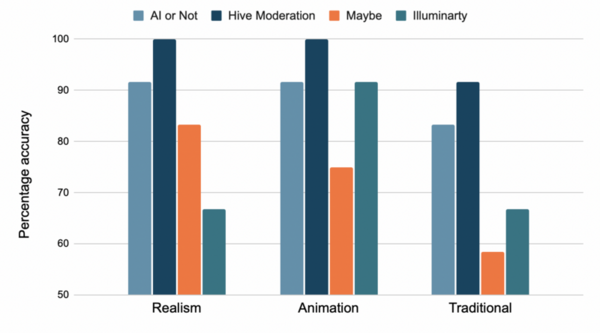
The authors investigate how well AI-detection machine learning models can detect real versus AI-generated art across different art styles.
Read More...Analyzing aerosol variation during the COVID-19 pandemic lockdown using satellite data
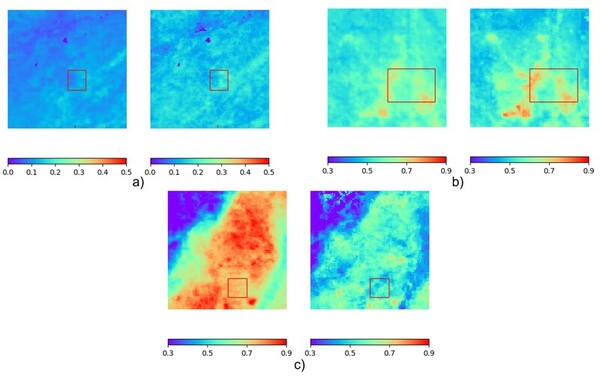
In this study, the authors use aerosol optical depth data to determine if aerosol levels were lower in major metropolitan areas around the world during the COVID-19 pandemic.
Read More...Role of bacterial flagella in bacterial adhesion of Escherichia coli to glass surface
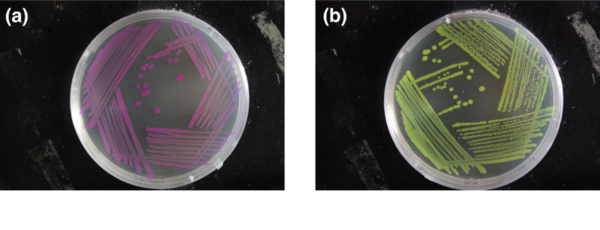
In this study, the authors investigate the effects that flagella have on E. coli's ability to adhere to glass surfaces.
Read More...Legacy mercury, reservoir dynamics, and dredging effects on methylmercury in San Francisco Bay
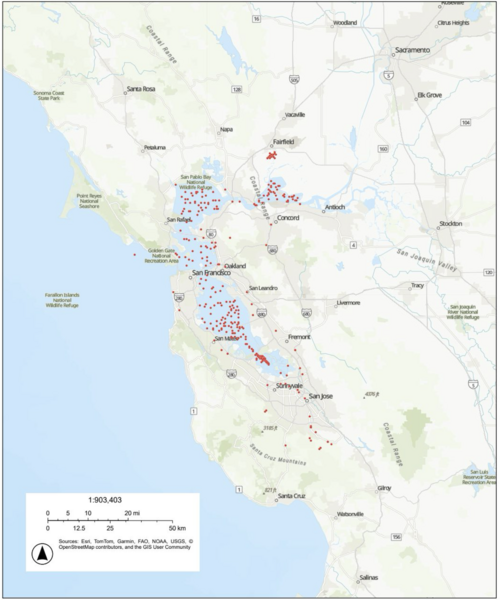
This study analyzes over two decades of monitoring data (1999-2022) to investigate how legacy mining, reservoir water releases, and dredging activities influence toxic methylmercury (MeHg) levels in San Francisco Bay. The findings reveal a significant delayed correlation between river flow and San Francisco Bay MeHg, and counter to the authors' hypothesis, a strong association between increased MeHg concentrations in the bay and both total annual dredging volume and beneficial sediment reuse / upland sediment disposal.
Read More...A 3D printed triboelectric nanogenerator for bridge vibration energy harvesting and sensing

This study strongly illustrates that optimizing 3D printing parameters would enhance a triboelectric nanogenerator's performance. The design improvements substantiate the potential of optimized, 3D-printed TENGs for developing scalable, cost-effective solutions for powering low-energy electronics, particularly in applications such as structural health monitoring.
Read More...The growth of bacteria on everyday objects and the antimicrobial effects of household spices
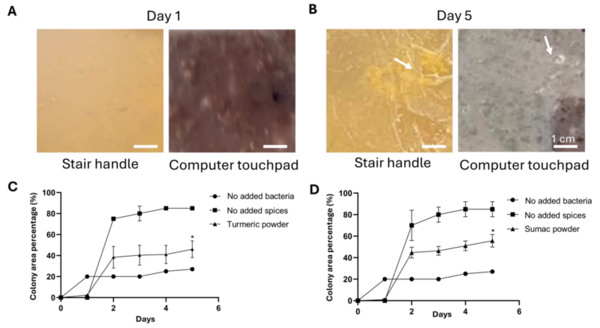
The study investigates the antibacterial properties of household spices on bacteria isolated from everyday objects, aiming to address the limited understanding of bacterial resilience on surfaces and the potential of spices as antibacterial agents. Researchers hypothesized that bacteria would grow faster on some surfaces than others and that spices like honey, chili powder, turmeric, and sumac would inhibit bacterial growth at varying rates. The findings suggest that household spices possess significant antibacterial properties and could be used as emergency disinfectants, particularly in under-resourced settings. However, they cannot replace medical treatments but offer insights into alternative health solutions using common ingredients.
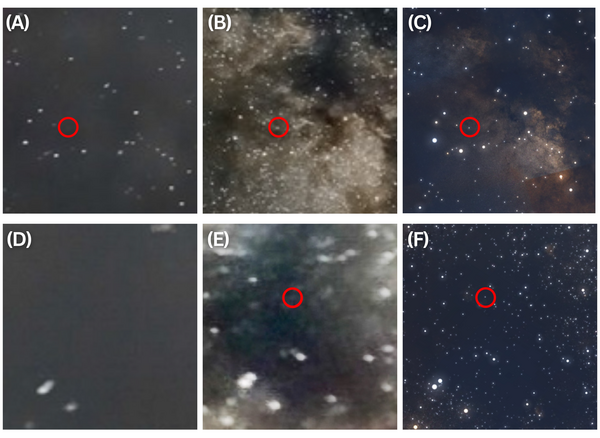
Read More...The impact of light pollution on astrophotography and visual astronomy in varying environments
Locating carcinogenic per- and poly-fluoroalkyl substances in Santa Clarita groundwater
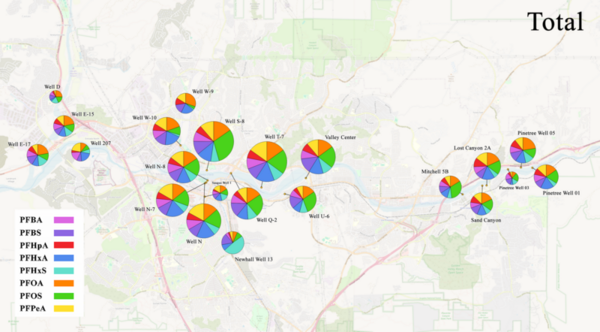
This study investigates PFAS contamination in Santa Clarita groundwater, focusing on potential sources. The study employs statistical analysis to assess data quality and trends which allowed them to identified domestic waste, fire extinguisher materials, and food packaging as the most likely sources of contamination.
Read More...Computational evidence for differential endocrine disruption by DEHP and PET via estrogen receptor beta binding
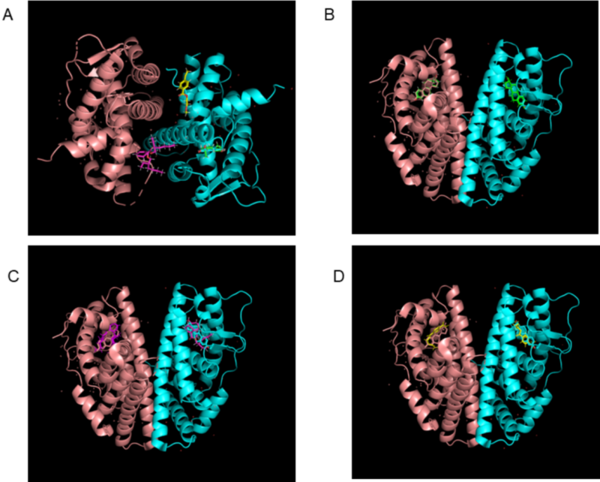
The authors demonstrate computationally that two types of nanoplastics can bind to estrogen receptor beta and potentially disrupt endocrine systems.
Read More...