Browse Articles

Development of Two New Efficient Means of Wastewater Treatment

Bao et al. | Feb 06, 2014

Development of Two New Efficient Means of Wastewater Treatment

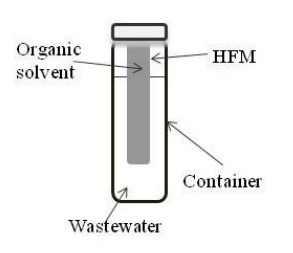
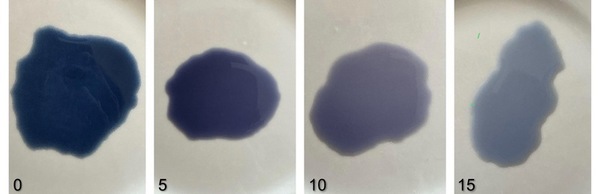
The water we use must be treated and cleaned before we release it back into the environment. Here, the authors investigate two new techniques for purifying dissolved impurities from waste water. Their findings may give rise to more cheaper and more efficient water treatment and help keep the planet greener.

Read More...

Investigating the effects of glucose reintroduction on acutely starved HeLa cells

Puduru et al. | Jul 05, 2026

Investigating the effects of glucose reintroduction on acutely starved HeLa cells

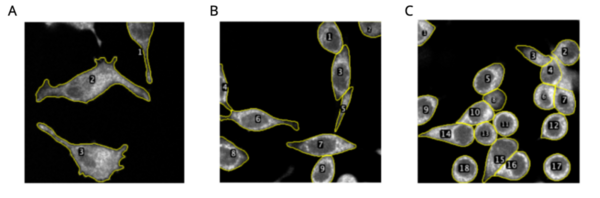
Cancer cells rely heavily on glycolysis, but how they respond when glucose is reintroduced after acute starvation is not well understood. Using fluorescence lifetime imaging microscopy, students tracked metabolic changes in HeLa cells and found a rapid shift toward glycolysis within 20 minutes of glucose reintroduction, followed by heterogeneous recovery toward oxidative phosphorylation. These results highlight metabolic flexibility and variability in cancer cells, offering insights relevant to treatment resistance and therapeutic design.

Read More...

Using satellite surface temperature data to monitor urban heat island

Meister et al. | Feb 13, 2026

Using satellite surface temperature data to monitor urban heat island
Image credit: Meister, Horvath, and Brown de Colstoun

This manuscript investigates the urban heat island (UHI) effect by utilizing two satellite datasets: Landsat (high spatial resolution, lower temporal resolution) and MODIS (lower spatial resolution, high temporal resolution). The authors hypothesized that Landsat would provide better spatial detail, while MODIS would better capture temporal variations. Their analysis in the Washington D.C.–Baltimore region supports these hypotheses, demonstrating that Landsat offers finer spatial details, whereas MODIS provides more consistent seasonal patterns and better detects heatwave frequencies.

Read More...

Exploring Political Discourse Among High School Journalists with Web Scraping and AI Technology

Gong et al. | Jun 10, 2025

Exploring Political Discourse Among High School Journalists with Web Scraping and AI Technology

Here the authors provided greater coverage of adolescent stances by investigating the political perspectives and trends of high school journalists, utilizing web scraping methods and artificial intelligence (ChatGPT-4o) to analyze over 153,000 articles. They found that high school publications exhibit lower levels of political polarization compared to mainstream media and that journalists' views, while tending to lean moderately liberal, showed no significant correlation with local voting patterns.

Read More...