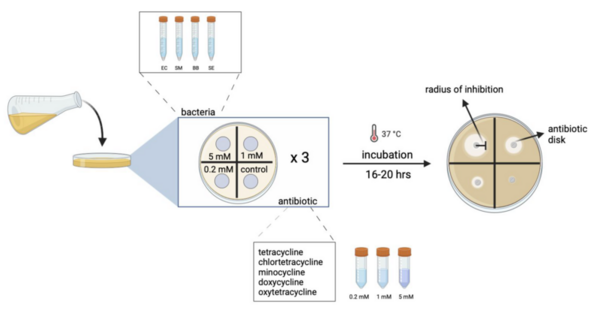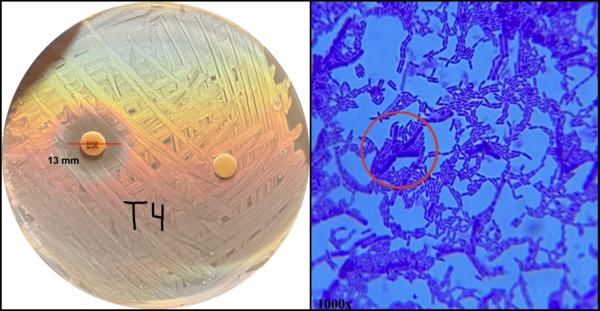
In this study, the authors studied the ability for bacteria to develop antibiotic resistance over successive generations and modeled the trajectory to predict how antibiotic resistance is developed.
Read More...Characterizing the evolution of antibiotic resistance in commercial Lactobacillus strains
In this study, the authors studied the ability for bacteria to develop antibiotic resistance over successive generations and modeled the trajectory to predict how antibiotic resistance is developed.
Read More...Antibacterial activity by Dombeya wallichii plant extracts obtained by ultrasound-assisted extraction
Medicinal plants could be a good source of medication to combat antibiotic resistance. Dombeya wallichii, which is commonly called Pink Ball Tree in the family Sterculiaceae, has been documented to have medicinal potential. We observed the highest antibacterial activity in the stem extracts, followed by leaf and bark extracts. The extracts were more effective against tested Gram-positive bacteria when compared with Gram-negative strains.
Read More...Machine learning-based enzyme engineering of PETase for improved efficiency in plastic degradation
Here, recognizing the recognizing the growing threat of non-biodegradable plastic waste, the authors investigated the ability to use a modified enzyme identified in bacteria to decompose polyethylene terephthalate (PET). They used simulations to screen and identify an optimized enzyme based on machine learning models. Ultimately, they identified a potential mutant PETases capable of decomposing PET with improved thermal stability.
Read More...Methanotrophic bioremediation for the degradation of oceanic methane and chlorinated hydrocarbons
Seeking an approach to address the increasing levels of methane and chlorinated hydrocarbons that threaten the environment, the authors worked to develop a novel, low-cost biotrickling filter for use as an ex situ method tailored to marine environments. By using methanotrophic bacteria in the filter, they observed methane degradation, suggesting the feasibility of chlorinated hydrocarbon degradation.
Read More...Machine learning on crowd-sourced data to highlight coral disease
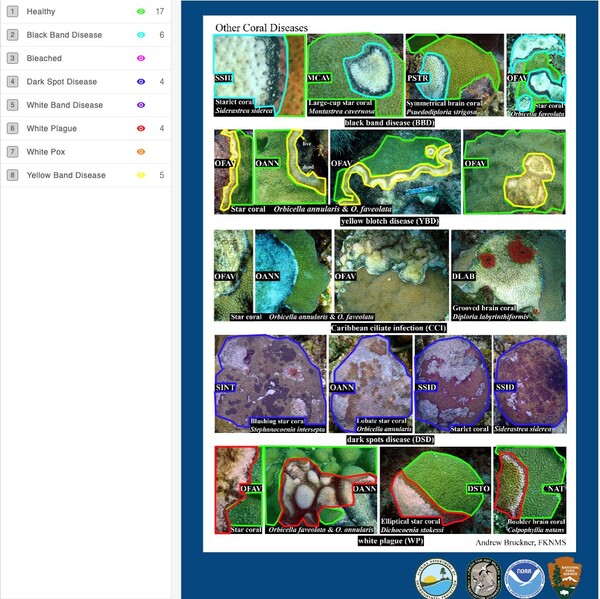
Triggered largely by the warming and pollution of oceans, corals are experiencing bleaching and a variety of diseases caused by the spread of bacteria, fungi, and viruses. Identification of bleached/diseased corals enables implementation of measures to halt or retard disease. Benthic cover analysis, a standard metric used in large databases to assess live coral cover, as a standalone measure of reef health is insufficient for identification of coral bleaching/disease. Proposed herein is a solution that couples machine learning with crowd-sourced data – images from government archives, citizen science projects, and personal images collected by tourists – to build a model capable of identifying healthy, bleached, and/or diseased coral.
Read More...The effect of an anthocyanin on the gut permeability of a Type 2 Diabetic Drosophila melanogaster
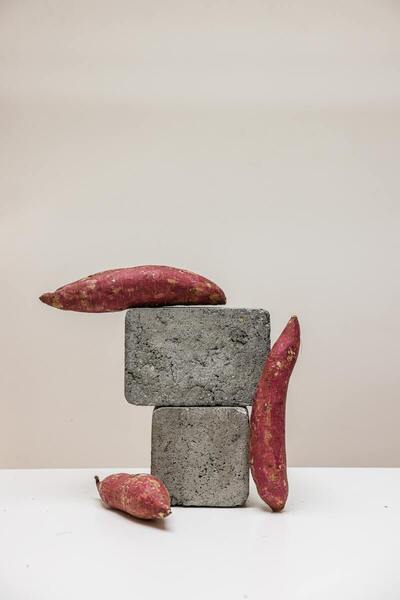
Anti-diabetic drugs like Metformin are known to increase gut permeability, and this has a negative impact on patient health. These authors hypothesized that this can be mitigated using purple sweet potato extract, which is high anthocyanin content, that feeds bacteria metabolism to decrease gut permeability.
Read More...Antibacterial effectiveness of turmeric against gram-positive Staphylococcus epidermidis
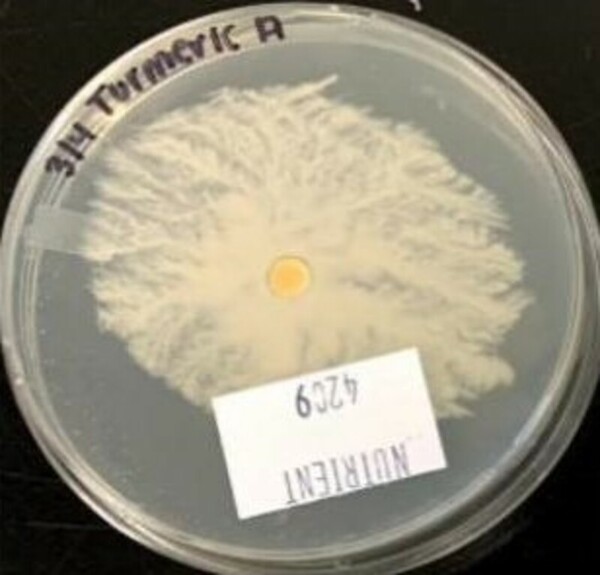
Infections caused by antibiotic resistance are a leading issue faced by the medical field. The authors studied the antibacterial effectiveness of turmeric against gram-positive Staphylococcus epidermidis using antibiotic sensitivity disks. They infused blank antibiotic sensitivity disks with a 5% concentrated solution of turmeric and placed them on agar plates inoculated with bacteria. Overall, there was no measurable ZOI surrounding the turmeric disk so the measurements for all trials were 0 cm, suggesting that turmeric at a 5% concentration is not an effective antibacterial against S. epidermidis.
Read More...A Study on the Coagulating Properties of the M. oleifera Seed
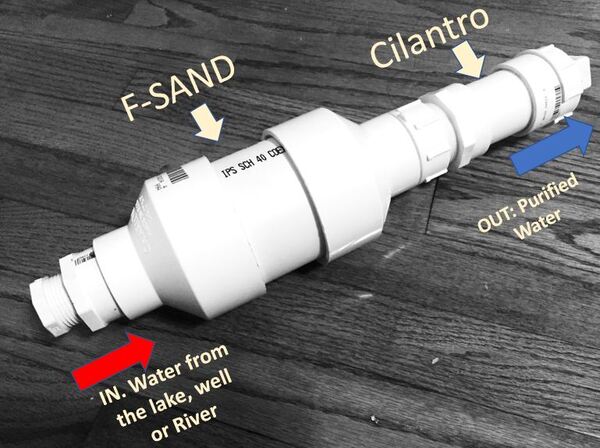
In this study, the authors investigate whether Moringa Oleifera seeds can serve as material to aid in purifying water. M. oleifera seeds have coagulating properties and the authors hypothesized that including it in a water filtration system would reduce particles, specifically bacteria, in water. Their results show that this system removed the largest percent of bacteria. When used in combination with cilantro, it was actually more efficient than the other techniques! These findings have important implications for creating better and more economical water purification systems.
Read More...Antibiotic Residues Detected in Commercial Cow’s Milk
Antibiotics are oftentimes used to treat mastitis (infection of the mammary gland) in dairy cows. Regulations require that milk from these cows be discarded until the infection has cleared and antibiotic residues are no longer detectable in the cow's milk. These regulations are in place to protect consumers and to help prevent the rise of antibiotic resistant bacteria. In this study, the authors test milk samples from 10 milk suppliers in the Greensboro, NC to see if they contain detectable levels of antibiotic residues.
Read More...The effects of the cancer metastasis promoting gene CD151 in E. coli
The independent effects of metastasis-promoting gene CD151 in the process of metastasis are not known. This study aimed to isolate CD151 to discover what its role in metastasis would be uninfluenced by potential interactions with other components and pathways in human cells. Results showed that CD151 significantly increased the adhesion of the cells and decreased their motility. Thus, it may be that CD151 is upregulated in cancer cells for the last step of metastasis, and it increases the chances of success of metastasis by aiding in implantation of the cancer cells. Targeting CD151 in chemotherapeutic modalities could therefore potentially slow or prevent metastasis.
Read More...