Browse Articles

Suppress that algae: Mitigating the effects of harmful algal blooms through preemptive detection & suppression

Natarajan et al. | Jul 17, 2023

Suppress that algae: Mitigating the effects of harmful algal blooms through preemptive detection & suppression
Image credit: Sharanya Natarajan

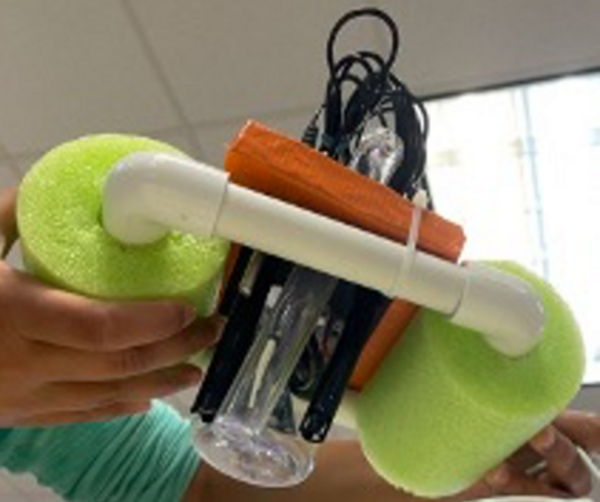
A bottleneck in deleting algal blooms is that current data section is manual and is reactionary to an existing algal bloom. These authors made a custom-designed Seek and Destroy Algal Mitigation System (SDAMS) that detects harmful algal blooms at earlier time points with astonishing accuracy, and can instantaneously suppress the pre-bloom algal population.

Read More...

Identifying Neural Networks that Implement a Simple Spatial Concept

Zirvi et al. | Sep 13, 2022

Identifying Neural Networks that Implement a Simple Spatial Concept

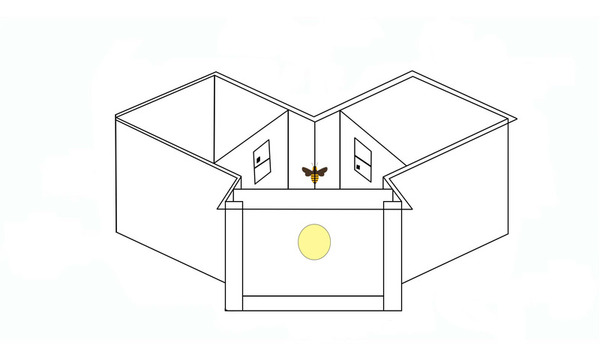
Modern artificial neural networks have been remarkably successful in various applications, from speech recognition to computer vision. However, it remains less clear whether they can implement abstract concepts, which are essential to generalization and understanding. To address this problem, the authors investigated the above vs. below task, a simple concept-based task that honeybees can solve, using a conventional neural network. They found that networks achieved 100% test accuracy when a visual target was presented below a black bar, however only 50% test accuracy when a visual target was presented below a reference shape.

Read More...

A machine learning approach for abstraction and reasoning problems without large amounts of data

Isik et al. | Jun 25, 2022

A machine learning approach for abstraction and reasoning problems without large amounts of data

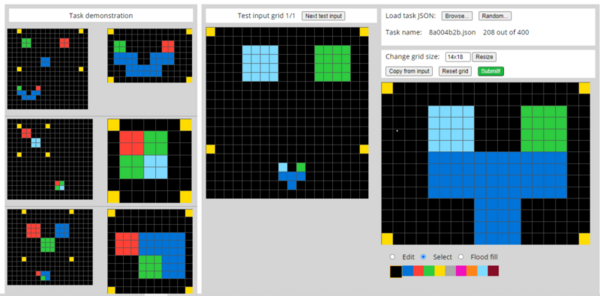
While remarkable in its ability to mirror human cognition, machine learning and its associated algorithms often require extensive data to prove effective in completing tasks. However, data is not always plentiful, with unpredictable events occurring throughout our daily lives that require flexibility by artificial intelligence utilized in technology such as personal assistants and self-driving vehicles. Driven by the need for AI to complete tasks without extensive training, the researchers in this article use fluid intelligence assessments to develop an algorithm capable of generalization and abstraction. By forgoing prioritization on skill-based training, this article demonstrates the potential of focusing on a more generalized cognitive ability for artificial intelligence, proving more flexible and thus human-like in solving unique tasks than skill-focused algorithms.

Read More...

Predicting asthma-related emergency department visits and hospitalizations with machine learning techniques

Chatterjee et al. | Oct 25, 2021

Predicting asthma-related emergency department visits and hospitalizations with machine learning techniques

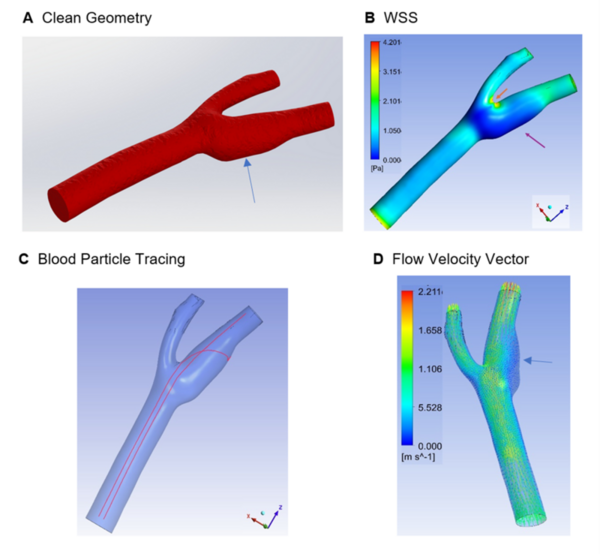
Seeking to investigate the effects of ambient pollutants on human respiratory health, here the authors used machine learning to examine asthma in Lost Angeles County, an area with substantial pollution. By using machine learning models and classification techniques, the authors identified that nitrogen dioxide and ozone levels were significantly correlated with asthma hospitalizations. Based on an identified seasonal surge in asthma hospitalizations, the authors suggest future directions to improve machine learning modeling to investigate these relationships.

Read More...

Developing a Portable, Reusable, and Inexpensive Magnesium-Air Fuel Cell

Tota et al. | Mar 28, 2019

Developing a Portable, Reusable, and Inexpensive Magnesium-Air Fuel Cell

One of the greatest challenges we face today is the sustainable production, storage, and distribution of electrical power. One emerging technology with great promise in this area is that of metal-air fuel cells—a long-term and reusable electricity storage system made from a reactive metal anode and a saline solution. In this study the authors tested several different types of metal to determine which was the most suitable for this application. They found that a fuel cell with a magnesium anode was superior to fuel cells made from aluminum or zinc, producing a voltage and current sufficient for real-world applications such as charging a mobile phone.

Read More...

The Development of a Highly Sensitive Home Diagnosis Kit for Group A Streptococcus Bacteria (GAS)

Mai et al. | Dec 05, 2018

The Development of a Highly Sensitive Home Diagnosis Kit for Group A Streptococcus Bacteria (GAS)

In this article, Mai et al. have developed a do-it-yourself kit for the detection of Strep A bacterial infections. While Strep A infections require antibiotic administration, viral infections, which can present with similar symptoms, often resolve on their own. The problem with delayed antibiotic treatment is an increasing risk of complications. Currently an accurate diagnosis requires that patients make the trip to the hospital where sensitive tests can be performed. The method described here, bundled into a commercially available kit, could help speed up the identification of such bacterial infections. When presented with symptoms of a sore throat and fever, you could just buy the kit at your local pharmacy, perform the simple yet highly accurate and sensitive test, and know whether an urgent trip to the doctor's for an antibiotic prescription is necessary. How convenient!

Read More...