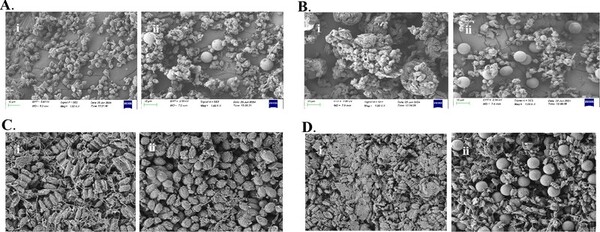
The authors test the effect of petroleum-based and bio-based microplastics on the growth of two microalgae species.
Read More...Differential physiological response of microalgae exposed to petroleum- and bio-based microplastics
The authors test the effect of petroleum-based and bio-based microplastics on the growth of two microalgae species.
Read More...The effect of lead oxide concentrations on the bioluminescence intensity of Panellus stipticus
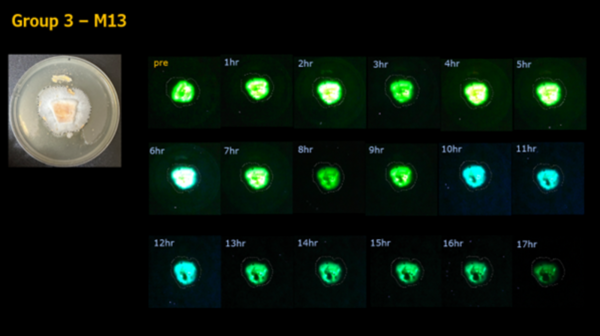
Here the authors investigate the potential of the bioluminescent fungus Panellus stipticus to serve as a sustainable bioindicator for environmental lead contamination. Their findings demonstrate that higher lead concentrations cause a measurable decrease in fungal bioluminescence intensity over time suggesting that the fungus could be an effective tool for detecting lead in an environment.
Read More...Analysis of quantitative classification and properties of X-ray binary systems
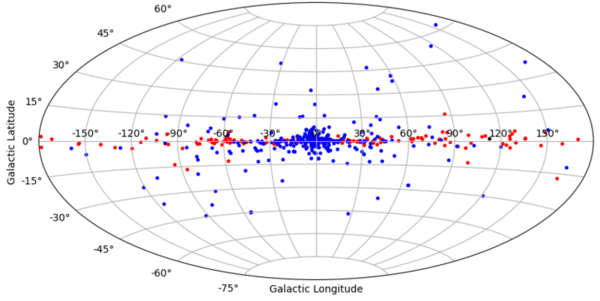
The authors looked at variables and their patterns and how those contribute to the properties of X-ray binaries.
Read More...Examining the impact of the sympathetic nervous system on short-term memory
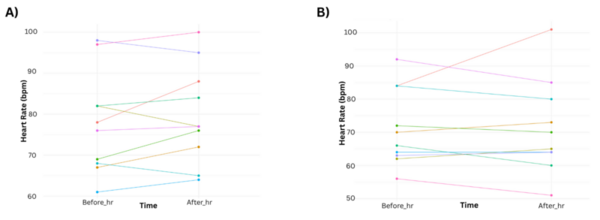
The authors looked at how activation of the sympathetic nervous system impacts short-term memory.
Read More...The impact of conceptual versus memorization-based teaching methods on student performance

The authors looked at how students performed on standardized tests when they were taught material via memorization vs. conceptual based approaches.
Read More...Effect of environmental factors on bacterial flora of normal human skin
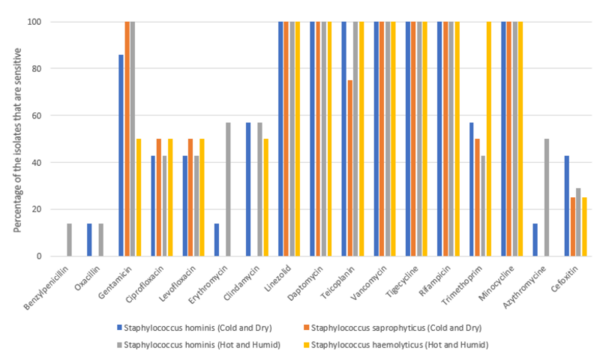
The authors looked how different working conditions impacted the microbiome of the human skin.
Read More...Utilizing sorbitol to improve properties of cellulose-based biodegradable hydrogels
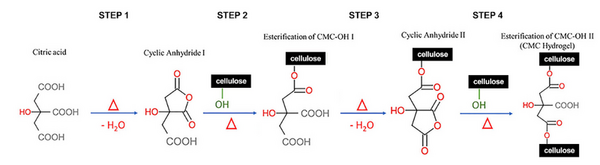
Hydrogels are commonly used in medicine, pharmaceuticals, and agriculture. Hydrogels absorb water by swelling and re-release this water by diffusion. This study sought to synthesize a biodegradable, cellulose-based hydrogel that is more effective at absorbing and re-releasing water than those produced by current methods. We tested the compressive strength of both the dry and swollen gels and the tensile strength of the swollen gels to elucidate the gel structure.
Read More...Advancing pediatric cancer predictions through generative artificial intelligence and machine learning
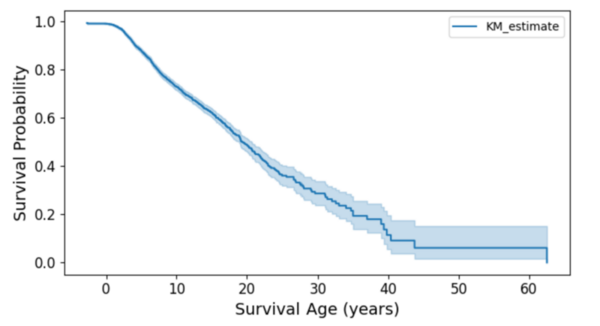
Pediatric cancers pose unique challenges due to their rarity and distinct biological factors, emphasizing the need for accurate survival prediction to guide treatment. This study integrated generative AI and machine learning, including synthetic data, to analyze 9,184 pediatric cancer patients, identifying age at diagnosis, cancer types, and anatomical sites as significant survival predictors. The findings highlight the potential of AI-driven approaches to improve survival prediction and inform personalized treatment strategies, with broader implications for innovative healthcare applications.
Read More...Trust in the use of artificial intelligence technology for treatment planning
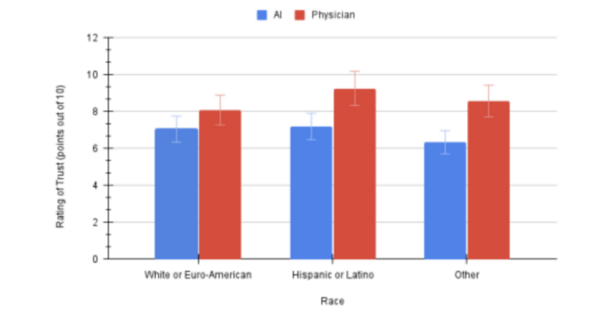
As AI becomes more integrated into healthcare, public trust in AI-developed treatment plans remains a concern, especially for emotionally charged health decisions. In a study of 81 community college students, AI-created treatment plans received lower trust ratings compared to physician-developed plans, supporting the hypothesis. The study found no significant differences in AI trust levels across demographic factors, suggesting overall skepticism toward AI-driven healthcare.
Read More...Impacts of the gut microbiota on arginine synthesis
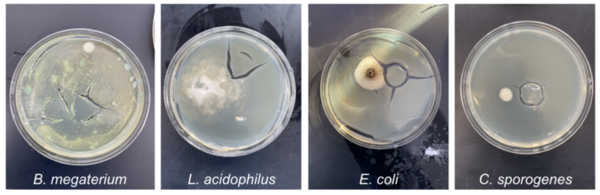
In this article the authors looked at arginine synthesis across different bacteria commonly found in different regional diets. They found that B. megaterium and C. sporogenes both caused a higher pH to occur on their agar plates compared to other bacteria tested indicating a greater amount of arginine synthesis.
Read More...