Browse Articles

Nanotexturing as a method to reduce dust accumulation on solar panels

Choi et al. | Jan 30, 2025

Nanotexturing as a method to reduce dust accumulation on solar panels

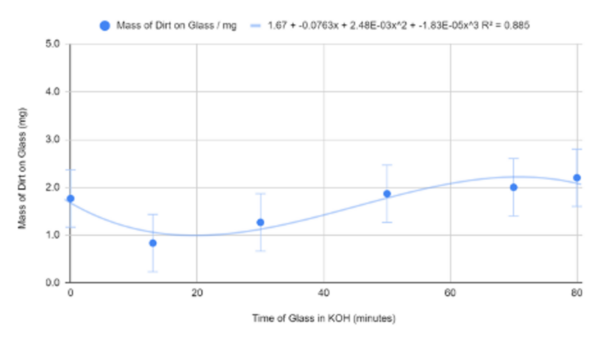
Dust accumulation on solar panels can reduce electricity output by 20–50%, posing a major challenge for solar energy collection. Instead of altering panel design, we explored a simpler approach by modifying surface energy through nanotexturing, predicting that hydrophobic surfaces would repel both water and dust. This study found that treating glass and silicone surfaces with potassium hydroxide (KOH) for 13 and 10 minutes, respectively, created optimal nanotextures (445 nm for glass, 205 nm for silicone), significantly reducing dirt accumulation and improving solar energy capture.

Read More...
Comparing Consumer Personality and Brand Personality: Do Fashion Styles Speak of Who You Are?

Stevenson et al. | Oct 02, 2019

Comparing Consumer Personality and Brand Personality: Do Fashion Styles Speak of Who You Are?

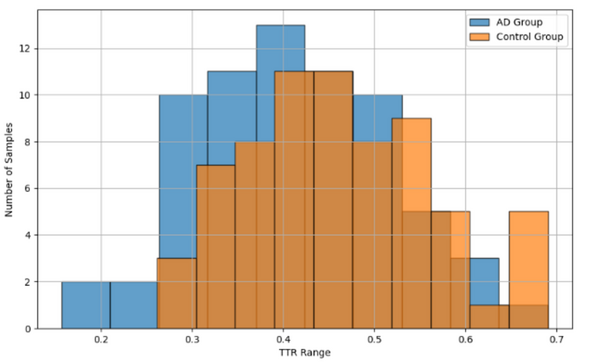
This study investigated how fashion brand personalities are similar to people’s personalities and whether people may prefer a particular clothing brand based on their own personal traits. All together, Stevenson and Scott found that the Big Five Personality Factors are generally not related to participants’ preferred brand personalities. Generally, brands should consider different factors besides the Big Five Personality Factors for identifying potential customers.

Read More...

Measuring the effect of early universe dark matter on the primordial values of helium-4 and deuterium

Pal et al. | Apr 29, 2026

Measuring the effect of early universe dark matter on the primordial values of helium-4 and deuterium

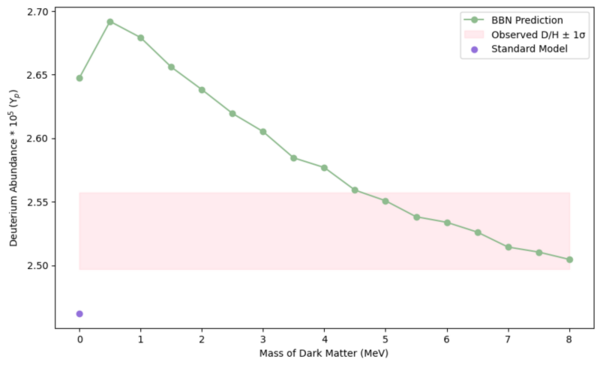
Recent observations by the “Extremely Metal-Poor Representatives Explored by the Subaru Survey” (EMPRESS) collaboration found normal deuterium levels but unexpectedly low helium-4, challenging current cosmological theories. This study used simulations with the PRyMordial package to test whether dark matter particles interacting with neutrinos in the early universe could explain the discrepancy.

Read More...