
In this study, the authors survey students and adults about how the COVID-19 pandemic has impacted their sleep patterns, eating habits, mood, physical activity, and screen time.
Read More...How Ya Doin'? with COVID-19
In this study, the authors survey students and adults about how the COVID-19 pandemic has impacted their sleep patterns, eating habits, mood, physical activity, and screen time.
Read More...The relationship between digit ratio and personality: 4D:5D digit ratio, sex, and the trait of conscientiousness

In this study, the authors use quantitative digit ratio measurements and a survey of personality traits to evaluate the potential relationship between sex and levels of conscientiousness.
Read More...Do perceptions of beauty differ based on rates of racism, ethnicity, and ethnic generation?
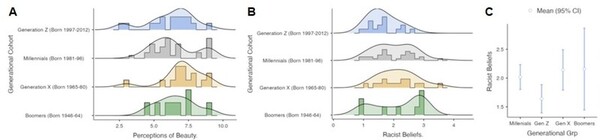
The authors examine the relationships between race, racist beliefs, and perceptions of beauty across cultures and generations.
Read More...Do self-expression values affect global jazz popularity? An analysis of postmaterialism and political activity
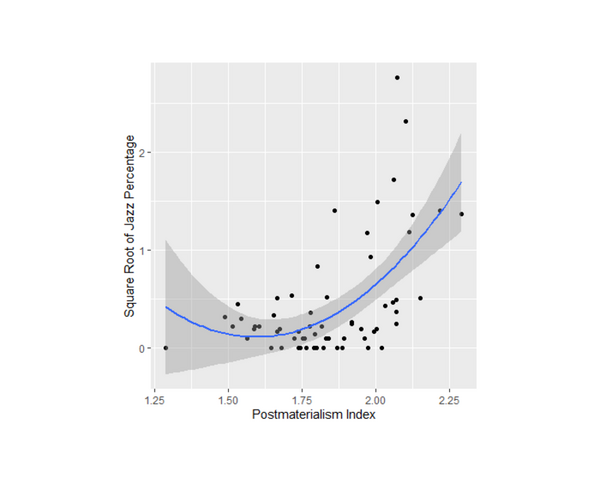
Jazz music is a unique American art form that has spread around the world. Iyer and Iyer study this spread through a computational sociology project examining how jazz popularity is correlated with postmaterialism (an ideology that values self-expression) and political activity.
Read More...Comparing Consumer Personality and Brand Personality: Do Fashion Styles Speak of Who You Are?

This study investigated how fashion brand personalities are similar to people’s personalities and whether people may prefer a particular clothing brand based on their own personal traits. All together, Stevenson and Scott found that the Big Five Personality Factors are generally not related to participants’ preferred brand personalities. Generally, brands should consider different factors besides the Big Five Personality Factors for identifying potential customers.
Read More...A Data-Centric Analysis of “Stop and Frisk” in New York City

The death of George Floyd has shed light on the disproportionate level of policing affecting non-Whites in the United States of America. To explore whether non-Whites were disproportionately targetted by New York City's "Stop and Frisk" policy, the authors analyze publicly available data on the practice between 2003-2019. Their results suggest African Americans were indeed more likely to be stopped by the police until 2012, after which there was some improvement.
Read More...The Role of Corresponding Race, Gender, and Species as Incentives for Charitable Giving

Inherent bias is often the unconscious driver of human behavior, and the first step towards overcoming these biases is our awareness of them. In this article the authors investigate whether race, gender or species affect the choice of charity by middle class Spaniards. Their conclusions serve as a starting point for further studies that could help charities refine their campaigns in light of these biases effectively transcending them or taking advantage of them to improve their fundraising attempts.
Read More...The Effects of Birth Order on Indicators of Academic Success Among High School Students of Multiple Ethnicities
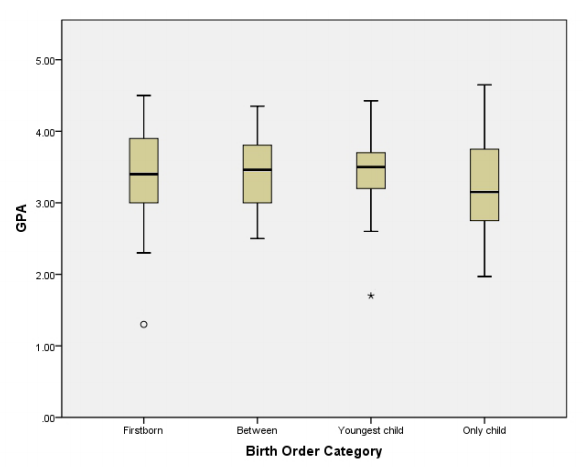
In many cultures and for many centuries, the implications of birth order have been examined. Birth order has been shown to affect personality, accomplishments, and even career choice. This study investigated the impact of birth order and ethnicity on two measures of academic success in high school: a student’s grade point average (GPA) and the number of Advanced Placement (AP) classes he or she took.
Read More...A cross-cultural analysis of consumer behavior and payment preferences: Insights from India and the United Arab Emirates
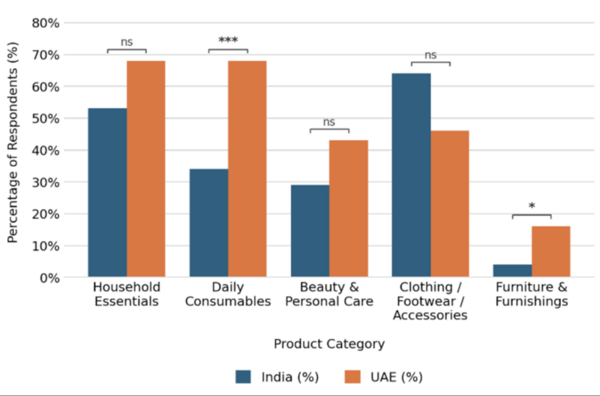
Consumers in India and the United Arab Emirates live in very different economic and cultural environments, and this study set out to measure how that shapes the way they shop and pay. Surveying 50 people in each country, they found that Indian consumers were more price-sensitive and favored cash, while UAE consumers prioritized convenience, gravitating toward credit cards, mobile wallets, and online shopping. The results offer practical insight for retailers, marketers, and policymakers working across these two fast-growing but culturally distinct markets.
Read More...Differences in online reviews between different communities: An empirical study on Amazon and Goodreads
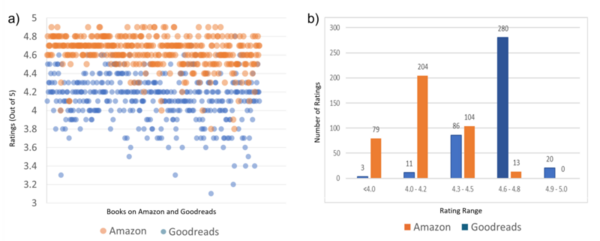
Online review platforms often provide different reviews on the same product, potentially confusing consumers. In this study, we found that the number of raters on Amazon is lower for the same book, while ratings on Amazon were higher than those on Goodreads. Furthermore, these differences in ratings and rater counts were larger for fiction books than for non‑fiction books.
Read More...