Browse Articles

Androgen Diffusion Patterns in Soil: Potential Watershed Impacts

Corson et al. | Jan 24, 2019

Androgen Diffusion Patterns in Soil: Potential Watershed Impacts

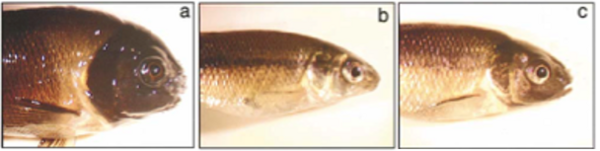
Androgens are natural or synthetic steroid hormones that control secondary male sex characteristics. Androgens are excreted in cattle urine and feces, and can run off or seep into nearby waters, negatively impacting aquatic life and potentially polluting human water sources. Here, the authors investigated the effectiveness of soil as a natural barrier against androgen flow into vulnerable waterways. Their results, obtained by testing diffusion patterns of luminol, an androgen chemical analog, indicated that soil is a poor barrier to androgen diffusion.

Read More...

The Role of Race in the Stereotyping of a Speaker’s Accent as Native or Non-native

Bhuvanagiri et al. | Jan 07, 2019

The Role of Race in the Stereotyping of a Speaker’s Accent as Native or Non-native

In the modern world, communication and mobility are no longer obstacles. A natural consequence is that people from all over the world are mixing like never before and national identity can no longer be determined simply by a person's appearance or manner of speech. In this article, the authors study how a person's accent interferes with the perception of a their national identity and proposes ways to eliminate such biases.

Read More...

An Analysis on Exoplanets and How They are Affected by Different Factors in Their Star Systems

Selph et al. | Dec 06, 2018

An Analysis on Exoplanets and How They are Affected by Different Factors in Their Star Systems

In this article, the authors systematically study whether the type of a star is correlated with the number of planets it can support. Their study shows that medium-sized stars are likely to support more than one planet, just like the case in our solar system. They predict that, of the hundreds of planets beyond our solar system, 6% might be habitable. As humans work to travel further and further into space, some of those might truly be suited for human life.

Read More...

Astragalus membranaceus Root Concentration and Exposure Time: Role in Heat Stress Diminution in C. elegans

Chen et al. | Oct 17, 2018

Astragalus membranaceus Root Concentration and Exposure Time: Role in Heat Stress Diminution in <em>C. elegans</em>

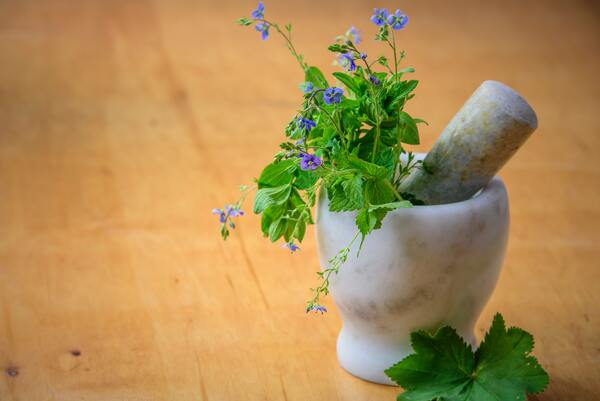
In this study, the authors investigated the biological mechanism underlying the actions of a traditional medicinal plant, Astragalus membranaceus. Using C. elegans as an experimental model, they tested the effects of AM root on heat stress responses. Their results suggest that AM root extract may enhance the activity of endogenous pathways that mediate cellular responses to heat stress.

Read More...

Don’t Waste the Medical Waste: Reducing Improperly Classified Hazardous Waste in a Medical Facility

Hemani et al. | Jun 20, 2018

Don’t Waste the Medical Waste: Reducing Improperly Classified Hazardous Waste in a Medical Facility

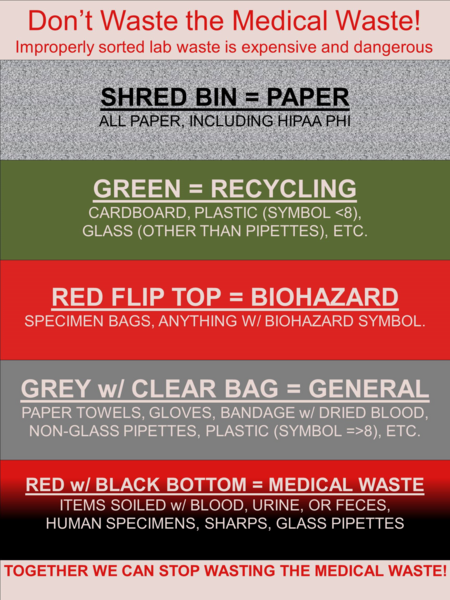
Hemani et al. tackled the problem of rampant hospital waste by implementing staff training to help inform hospital workers about proper waste disposal. The authors observed a significant increase in proper waste disposal after the training, showing that simple strategies, such as in-person classroom training and posters, can have a profound effect on limiting improper waste handling.

Read More...

The Effect of Various Preparation Methods on the Spoilage Rate of Roma Tomatoes (Solanum lycopersicum)

Cataltepe et al. | Feb 22, 2018

The Effect of Various Preparation Methods on the Spoilage Rate of Roma Tomatoes (Solanum lycopersicum)

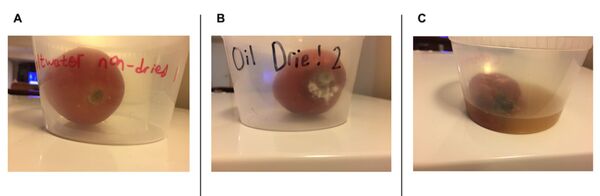
As levels of food waste continue to rise, it is essential to find improved techniques of prolonging the shelf life of produce. The authors aimed to find a simple, yet effective, method of slowing down spoilage in tomatoes. Linear regression analysis revealed that the tomatoes soaked salt water and not dried displayed the lowest correlation between time and spoilage, confirming that this preparation was the most effective.

Read More...